What are the details of the alleged OpenAI security breach?
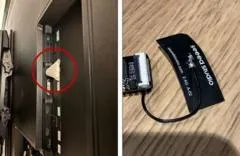
Federal prosecutors have charged Abdulrahman Alfozan, a Saudi national and OpenAI engineer, with the unauthorized interception of oral communications. The incident centered on the discovery of a "sophisticated recording device" hidden within a San Francisco office used by the creators of ChatGPT. According to OpenAI, the device was found inserted into a USB port located on the back of a television inside an executive conference room.
To conceal the hardware, the suspect allegedly wrapped the device in toilet paper. The device was reportedly encrypted, adding a layer of complexity to the breach. While the physical intrusion was successful, OpenAI has stated that there is currently no indication that sensitive intellectual property, such as model weights or source code, or any customer data was accessed or exfiltrated during the period the device was active.
The timeline of the discovery
The breach was detected on September 30, 2026, just two days after the device was allegedly installed. Following the discovery, OpenAI alerted the FBI, triggering a federal investigation into the motives and extent of the surveillance. The employee in question has since been terminated from the company.
How did OpenAI use AI to identify the perpetrator?
OpenAI utilized its own artificial intelligence models to investigate the breach and trace the origin of the recording equipment. The company stated that its AI models helped it understand the nature of the device and pinpoint that a specific employee was responsible for its placement. This internal use of AI to combat internal threats demonstrates the dual-use nature of the technology being developed.
The investigation was further bolstered by traditional forensic methods. Prosecutors revealed that CCTV footage was used to directly link Alfozan to the scene of the installation. This combination of advanced AI-driven forensics and physical surveillance allowed investigators to build a case around the employee's movements within the San Francisco facility.
What methods did the suspect allegedly use to plan the spying?
According to federal prosecutors, Alfozan used OpenAI's own productivity tools and chatbots to research how to conduct the surveillance. The FBI alleges that the suspect used these tools to identify sensitive locations within the company and to learn the technical requirements for secretly installing audio equipment.
The investigation uncovered specific chatbot prompts that suggest a premeditated and highly technical approach to the espionage. The allegations include searches related to:
- Building, customizing, and installing audio recording equipment.
- Testing and obfuscating devices to avoid detection.
- Achieving remote access to the hardware.
- Improving audio quality and live listening capabilities.
- Encrypting SD cards used within the devices.
- Customizing Wi-Fi connectivity for the equipment.
FBI Director Kash Patel stated that the alleged goal of the operation was to capture information regarding the company's AI products. This suggests that the intent was not merely general surveillance but targeted industrial espionage aimed at gaining a competitive or strategic advantage regarding AI development.
What evidence was found during the FBI investigation?
The investigation expanded significantly on October 5, 2026, when prosecutors allege Alfozan returned to the office to inspect the device. On that same day, the suspect reportedly left a bag unattended in a different section of the OpenAI building.
When an OpenAI security team opened the unattended bag, they discovered several incriminating items, including:
- The suspect's wallet and identification.
- A second recording device that was noted to be similar to the one found in the executive conference room.
This discovery provided physical evidence that linked the suspect to multiple instances of attempted surveillance, suggesting a broader scope of activity than the single device found in the conference room.
What are the legal consequences for Abdulrahman Alfozan?
Abdulrahman Alfozan faces serious federal charges related to the interception of communications. Having worked as an engineer at OpenAI since July 2025, the breach represents a significant violation of trust and corporate security protocols. The legal proceedings will determine the extent of his culpability and the specific intent behind his actions.
If convicted of the federal charges, Alfozan faces a maximum penalty of five years in prison. Additionally, the court may impose a fine of up to $250,000. The case is being handled by federal prosecutors, reflecting the high priority placed on protecting the intellectual property of leading AI research institutions.
FAQ: OpenAI Security Breach
What was found in the OpenAI office?
A sophisticated, encrypted recording device was discovered hidden in a USB port behind a television in an executive conference room. The device had been wrapped in toilet paper to assist in its concealment within the San Francisco office.
Was any company data stolen during the incident?
OpenAI has stated that there is no indication that source code, model weights, or customer data were inappropriately accessed or taken. The primary concern identified by the FBI was the interception of oral communications within the executive suite.
How did the company catch the employee?
OpenAI used its own AI models to analyze the device and identify the perpetrator. This was supplemented by CCTV footage that linked the engineer, Abdulrahman Alfozan, to the location where the device was installed.
What did the suspect use to plan the spying?
Alfozan allegedly used OpenAI's own chatbots and productivity tools to research how to build, install, and obfuscate recording devices, as well as how to manage remote access and Wi-Fi connectivity for the equipment.
What is the potential prison sentence for the suspect?
If found guilty of the federal charges, Abdulrahman Alfozan faces a maximum of five years in prison and a potential fine of up to $250,000.
Key takeaways
- An OpenAI engineer was charged with planting an encrypted recording device in an executive room.
- OpenAI used its own AI models to help identify the employee responsible for the breach.
- The suspect allegedly used company chatbots to research how to install and hide audio equipment.
- No source code or customer data has been reported as stolen in this incident.
- The suspect faces up to five years in prison and a $250,000 fine if convicted.
The implications of internal AI espionage
The charges against Abdulrahman Alfozan highlight a new frontier in corporate security: the use of AI tools to facilitate espionage against the very companies developing them. While OpenAI reported no loss of core intellectual property, the attempt to capture sensitive oral communications in executive settings demonstrates the evolving sophistication of internal threats. As AI models become more integrated into workplace productivity, the risk of these tools being repurposed for reconnaissance and obfuscation grows. This case serves as a critical warning for the technology sector regarding the necessity of robust, multi-layered security protocols that account for both external hacks and highly informed internal actors.