What charges does the OpenAI engineer face?
Abdulrahman Alfozan, a 35-year-old engineer, faces one count of using or attempting to use a device to intercept oral communications. This charge follows an arrest by the FBI after a surreptitious recording device was discovered within OpenAI's facilities. If convicted of these charges, Alfozan faces a maximum penalty of five years in prison and a fine of up to $250,000 (£190,000).
The gravity of the alleged incident is underscored by the nature of the location targeted. According to the official complaint filed in court, the room where the device was discovered is used regularly for meetings involving "highly confidential technical, commercial and strategic information." Furthermore, the room is a venue for discussing OpenAI's "government engagements and commercial relationships." The complaint explicitly states that Alfozan had no authority to access or be involved with the meetings held in that specific room. While the FBI has detailed the method of the alleged interception, the complaint has not yet clarified the intended purpose of the recordings or who might have ultimately received the intercepted audio.
Evidence of Alfozan's presence near the room is documented through surveillance. CCTV footage reportedly recorded him near the conference room on eight separate occasions during the month of September, providing a timeline for the alleged activity leading up to the discovery.
How was the recording device discovered at OpenAI?
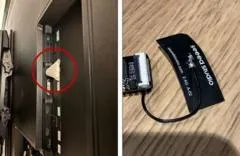
The discovery of the device occurred on 30 September, when OpenAI staff found a "surreptitious audio recording device" hidden behind a television. In a peculiar detail noted in the complaint, the device had been wrapped in toilet paper. Following this discovery, the company took security measures by placing a camera in the conference room to monitor activity.
On 5 October, the surveillance camera captured Alfozan entering the room and appearing to look behind the television where the device had previously been inserted. On that same day, Alfozan allegedly left an unattended bag in a different room. When security personnel opened the bag, they discovered "another recording device" similar to the one found behind the TV, alongside Alfozan's own wallet and identification. This second discovery suggests a potential pattern of attempted surveillance or the transport of multiple devices.
In response to the breach, OpenAI utilized its own AI models to analyze the device, attempting to understand the nature of the equipment and its origin. Despite the breach of physical security, the company has sought to reassure stakeholders regarding its digital assets. In a post on X, OpenAI stated that they have "no indications of this individual inappropriately accessing or exfiltrating model weights, source code, or customer data." This distinction separates the physical interception of oral communications from the potential theft of the company's core intellectual property.
What role did AI chatbots play according to the complaint?
Perhaps the most striking aspect of the FBI complaint is the allegation that Alfozan utilized AI tools to assist in the planning of the interception. The document details a series of queries made to a productivity AI assistant between 17 August and 16 September. During this period, Alfozan reportedly asked questions regarding meeting room logistics and availability, including inquiries such as "how about external partners, where would they usually meet with OpenAI at" and "can you list today's meeting in this room."
The investigation further alleges that the use of AI extended to the technical aspects of the surveillance. In September, Alfozan reportedly used a chatbot associated with his spouse to seek instructions on the construction and deployment of surveillance technology. Specifically, the complaint claims he asked how to build and install a recording device and how to access such a device remotely. This suggests an attempt to use the very technology the company develops to facilitate a breach of its internal security. These chatbot logs form a central part of the evidence presented by the government to demonstrate premeditation and technical planning.
Who is Abdulrahman Alfozan?
Abdulrahman Alfozan is a 35-year-old Saudi national who had been employed as an engineer at OpenAI since July 2025. According to the complaint, Alfozan was educated in the United States and has held the status of a legal permanent resident since 2020. His tenure at the firm lasted approximately one year before the alleged attempts to plant the recording devices occurred.
Following his arrest by the FBI on 9 October, OpenAI moved to terminate his contract. The legal defense for Alfozan has been vocal regarding the nature of the accusations. His lawyer, William Pernik, told the BBC that the allegations appear "wholly out of character" for Alfozan, describing him as a young person who came to the United States with a dream. Pernik emphasized that Alfozan is presumed innocent and that the public statements currently available are merely accusations rather than findings of guilt.
The defense team has indicated they intend to "relentlessly investigate all evidence produced by the government" to understand the full context of the case, including identifying any possible reasons for the incident and determining who may have been responsible. This suggests the defense may look for external influences or alternative explanations for the actions documented in the complaint.
What are the next steps in the legal proceedings?
The legal process for Alfozan is currently in its initial stages. He made his first appearance in a federal court in California on Tuesday. The court has scheduled a detention hearing for 19 October, which will be a critical juncture in the case. During this hearing, a judge will determine whether Alfozan should remain in custody while the legal proceedings continue or if he can be released pending trial.
As the case moves forward, the focus will likely remain on the digital and physical evidence collected by the FBI and OpenAI, including the chatbot logs and CCTV footage. While the company has terminated his employment, the criminal proceedings in federal court will ultimately determine the legal consequences of the alleged actions. The outcome of the detention hearing will set the tone for the duration and intensity of the upcoming legal battle.
Frequently asked questions
What was found in the OpenAI meeting room?
On 30 September, staff discovered a surreptitious audio recording device wrapped in toilet paper hidden behind a television. A second, similar device was later found in an unattended bag belonging to Alfozan.
Did OpenAI report any data theft?
OpenAI stated that they have found no indications that the individual inappropriately accessed or exfiltrated model weights, source code, or customer data.
When was Alfozan arrested?
The FBI arrested Abdulrahman Alfozan on 9 October. He made his initial court appearance in California on Tuesday.
What penalty could result from conviction?
If convicted, Alfozan faces a maximum penalty of five years in prison and a fine of $250,000.
Has Alfozan entered a plea?
No plea has been recorded yet. The case is currently in the early stages, with a detention hearing scheduled for 19 October.
Key takeaways
- Abdulrahman Alfozan, a 35-year-old engineer, faces charges for attempting to intercept oral communications at OpenAI.
- A recording device wrapped in toilet paper was discovered behind a TV in a room used for highly confidential strategic meetings.
- The FBI complaint alleges Alfozan used AI chatbots to research meeting room availability and how to build and remotely access recording devices.
- OpenAI terminated Alfozan's contract following his arrest on 9 October.
- OpenAI reported no evidence of theft regarding model weights, source code, or customer data.
- A federal detention hearing is set for 19 October in California.
Outlook for the case
The proceedings remain at an early stage, with much of the public's understanding currently limited to the details contained within the FBI's official complaint. The upcoming detention hearing on 19 October will be the next significant development, potentially providing more clarity on the court's view of the flight risk or danger posed by the defendant. As the defense prepares to investigate the government's evidence, the case is expected to scrutinize not only the actions of the individual but also the internal security protocols of one of the world's most prominent AI companies. The intersection of AI-assisted planning and physical security breaches makes this a significant case for the tech industry.