What design choices made the iPod a single-purpose success?
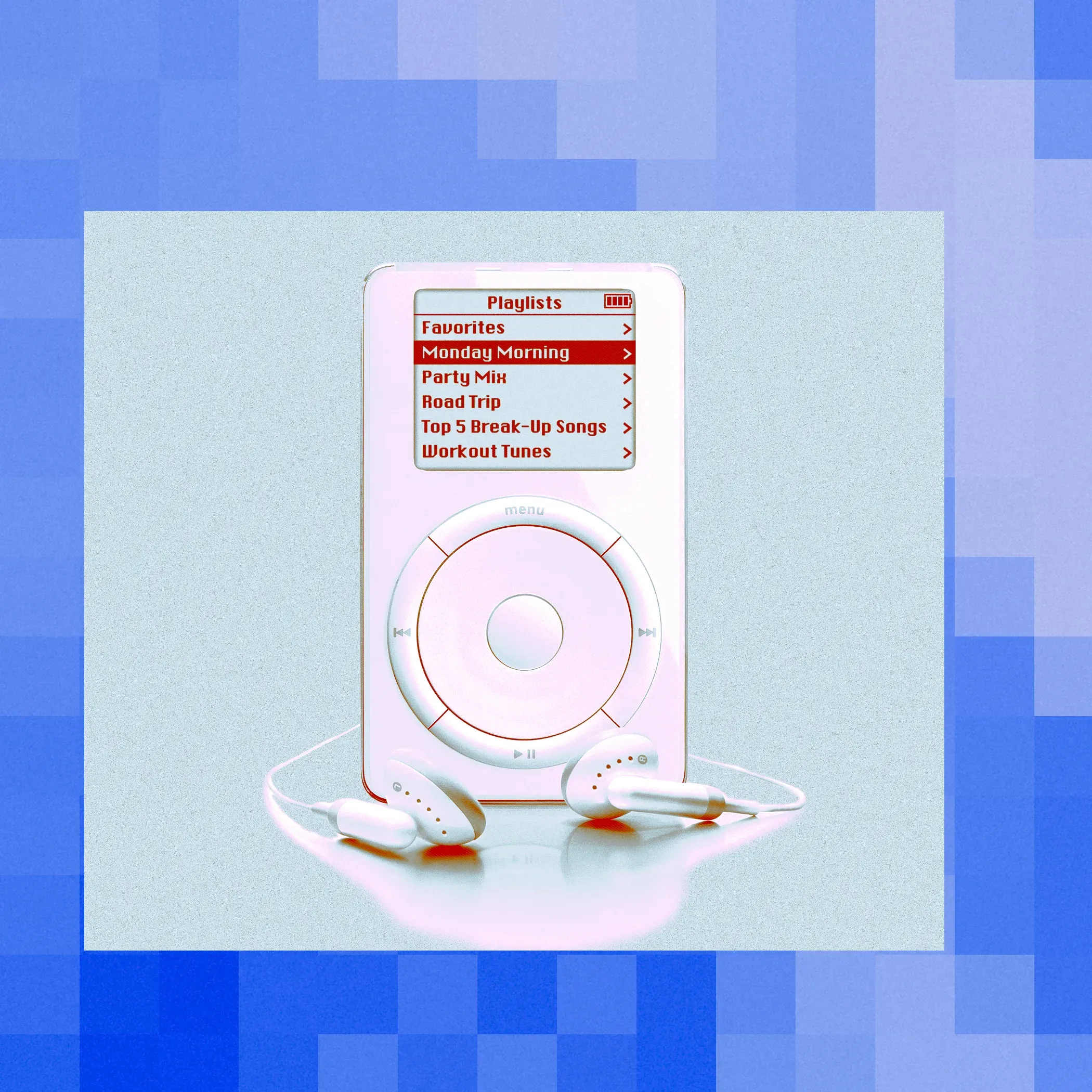
The iPod succeeded because it performed one task with minimal friction. Users loaded music onto the device and then listened without interruptions from calls, messages, or applications. This single-functionality was the core of its appeal; it was a device that superbly executed its one purpose and made people unconditionally happy. The physical experience was anchored by the click wheel and later touch interfaces, which kept navigation simple and tactile.
Steve Jobs introduced the product in October 2001, famously pulling the gadget from his jeans pocket to boast that it contained a whole music library. From that moment, the product's trajectory was defined by constant evolution. Unlike iPhone updates, which focus on incremental software and spec improvements, Apple maintained excitement for the iPod through a series of significant hardware reinventions. Every cycle yielded a different size and shape, making the device feel fresh and "cool" with every iteration.
The product line expanded to include the iPod mini, followed by multiple variations of the Nano and the Shuffle—a postage-stamp-sized player designed to clip to a shirt. These variations came in crazy colors and configurations, allowing the device to become a personal fashion statement as much as a piece of technology. Crucially, the absence of connectivity meant the device never pulled users toward other tasks. It was a dedicated sanctuary for music, a quality that many argue has been lost in the era of the smartphone.
How did the iPhone announcement end the iPod line?
The beginning of the end for the iPod was not a slow decline, but a strategic pivot announced by Steve Jobs on January 11, 2007. On that day, he presented the iPhone as three products integrated into one: a phone, an internet device, and "the best iPod ever." From that moment on, the iPod as a separate, dedicated device was living on borrowed time. While the iPhone would go on to become the engine of a $4 trillion company, it effectively cannibalized its predecessor.
Tony Fadell, who headed the iPod's hardware team and delivered the product in an intense sprint of less than a year, recalls that there was little hand-wringing within Apple regarding the iPod's eventual fate. As the iPhone proved to be a monster success—and as Apple began pursuing mass-market innovations like the iPad—the iPod's individual sales became less relevant to the company’s bottom line. Fadell notes that the internal discussion was less about saving the iPod and more about Apple not "doing lower-value things." Jobs was a relentless prioritizer, and his successor Tim Cook shared that focus.
The death of the iPod happened in stages rather than a single moment. Some might point to the discontinuation of the Nano and Shuffle in July 2017 as the true end of the traditional iPod. Others look to May 10, 2022, when the iPod Touch—the last product to carry the name—was discontinued. However, many purists argue the Touch was never a "real" iPod, but merely an iPhone without cellular connectivity. The classic model, featuring the hard drive and click wheel, had already been quietly retired in 2014.
Why do users still modify old iPods today?
Despite the iPod's official retirement, a dedicated subculture of "refuseniks" continues to keep the hardware alive. On platforms like Reddit and Facebook, active communities go to great lengths to mod old iPods, breathing new life into the aging silicon. These enthusiasts perform technical upgrades such as installing large flash drives to replace old hard drives and adding Bluetooth connectivity to modern wireless headphones.
The motivation behind these modifications is a desire to reclaim the focused listening experience that modern devices cannot provide. Even though there are apps available that make an iPhone look and play like an iPod Classic, the experience is fundamentally different. On an iPhone, you are always just one swipe away from your email, your social media feeds, and the endless stream of digital noise. The modded iPods offer a way to escape that noise.
Fadell agrees that the iPod's greatest value was its lack of internet connectivity. "Because the iPod wasn't connected, you didn't have all these other things going on to distract you," he explains. Today, users face the "annoyance of being connected" without being able to escape it. The modding community is essentially fighting to preserve a device that allows for pure, uninterrupted engagement with music—a luxury that has become increasingly rare in a hyper-connected world.
What gap remains after the iPod disappeared?
The disappearance of the iPod has left a hole in the consumer landscape that remains unfilled. While the iPhone is undoubtedly more impactful and financially significant, it is a far more complicated relationship. The smartphone is a tool of immense power, but it also gobbles attention. It brings with it the toxicity of social media and the dangers of distraction; countless car accidents have been caused by drivers prioritizing touch screens over the road, and the phenomenon of "doomscrolling" has been linked to depression.
In contrast, the iPod was a perky device that brought nothing but joy. It occupied a specific niche: a one-function device that executed its function superbly. When the iPod vanished, it took with it the ability to have a dedicated, distraction-free digital music library. Today, even when we listen to music on a smartphone, we are doing so in an environment designed to pull us away from the song and toward a notification, a text, or a news alert.
This gap is not just about hardware; it is about the psychological space the device occupied. The iPod allowed for a state of "blissed out" listening that is difficult to achieve when your music player is also your primary portal to the world's stresses. As a generation grows up without ever having owned a dedicated music device, they are missing out on the specific peace that comes from a device that refuses to interrupt a tune with a call or a text.
Could Apple revive a dedicated music player?
Looking toward the future, there is little evidence to suggest that Apple's current leadership has any incentive to bring the iPod back. New CEO John Ternus faces a landscape where the iPhone and the broader Apple ecosystem are the primary drivers of value. For Apple, the iPod was a stepping stone—a product that helped transform a computer company with a limited user base into a global consumer electronics giant. As Fadell points out, the iPod's success enabled the very existence of the Apple we know today.
Fadell notes that the iPod's launch occurred when Apple had only existed for about 25 years—half its current age. It was the "boom" that followed the Apple II and the Macintosh. While the iPod was a landmark product, it served its purpose in building the foundation for the iPhone. To revive it now would mean competing with the very device that the iPod helped create, a move that would likely conflict with Apple's current focus on high-value, integrated services and ecosystem stickiness.
For now, the legacy of the iPod lives on through nostalgia and the efforts of independent developers and modders. While software skins can mimic the look of the classic interface, they cannot replicate the physical and mental isolation that made the original hardware so special. The iPod remains a testament to a time when technology was designed to serve a single, joyful purpose rather than to capture and hold our undivided attention.
FAQ: iPod
Why was the iPod considered perfect by its users?
The iPod was seen as perfect because it was a single-purpose device that performed its function—playing music—without the distractions of the internet, calls, or social media notifications. Its simple interface and yearly hardware redesigns kept the experience fresh and joyful.
When did Apple stop selling iPods?
The discontinuation happened in stages: the classic model ended in 2014, the Nano and Shuffle lines were killed in 2017, and the iPod Touch, the last remaining model, was discontinued on May 10, 2022.
Did the iPod connect to the internet?
The original iPods were not connected to the internet. This lack of connectivity was a key feature, as it prevented the device from being a source of distraction, allowing users to focus entirely on their music.
Are modified iPods still popular?
Yes, there are active communities on Reddit and Facebook dedicated to modding old iPods. These users install larger flash drives and Bluetooth adapters to keep the devices functional and modern while maintaining the distraction-free experience.
Would a new dedicated player succeed today?
While Tony Fadell believes such a device "should still exist," there is no indication that Apple plans to revive it. Currently, the niche is being filled by enthusiasts and software that mimics the old interface on smartphones.
Key takeaways
- The iPod's success was rooted in its single-purpose design and lack of internet connectivity.
- Steve Jobs' introduction of the iPhone in 2007 effectively placed the iPod on borrowed time.
- Apple used frequent hardware redesigns (Mini, Nano, Shuffle) to keep the iPod line exciting.
- Tony Fadell noted that Apple prioritized the iPhone and iPad over the "lower-value" iPod.
- The iPod helped transform Apple from a computer company into a consumer electronics giant.
- A dedicated community continues to mod old iPods to preserve the distraction-free listening experience.
Conclusion
The iPod demonstrated that a narrowly focused device could deliver consistent satisfaction by avoiding the complications of connectivity. Its retirement followed the strategic choice to prioritize the iPhone, which delivered greater commercial results and fueled Apple's rise to a multi-trillion-dollar valuation. However, the interest in restored units and interface recreations shows that the original balance of simplicity and isolation still appeals to listeners who want music without competing demands. While Apple has no plans to return to that formula, the product's history illustrates how single-purpose hardware once shaped both user habits and the very direction of the world's most influential tech company.