What are the main specifications of the Google Fitbit Edge?
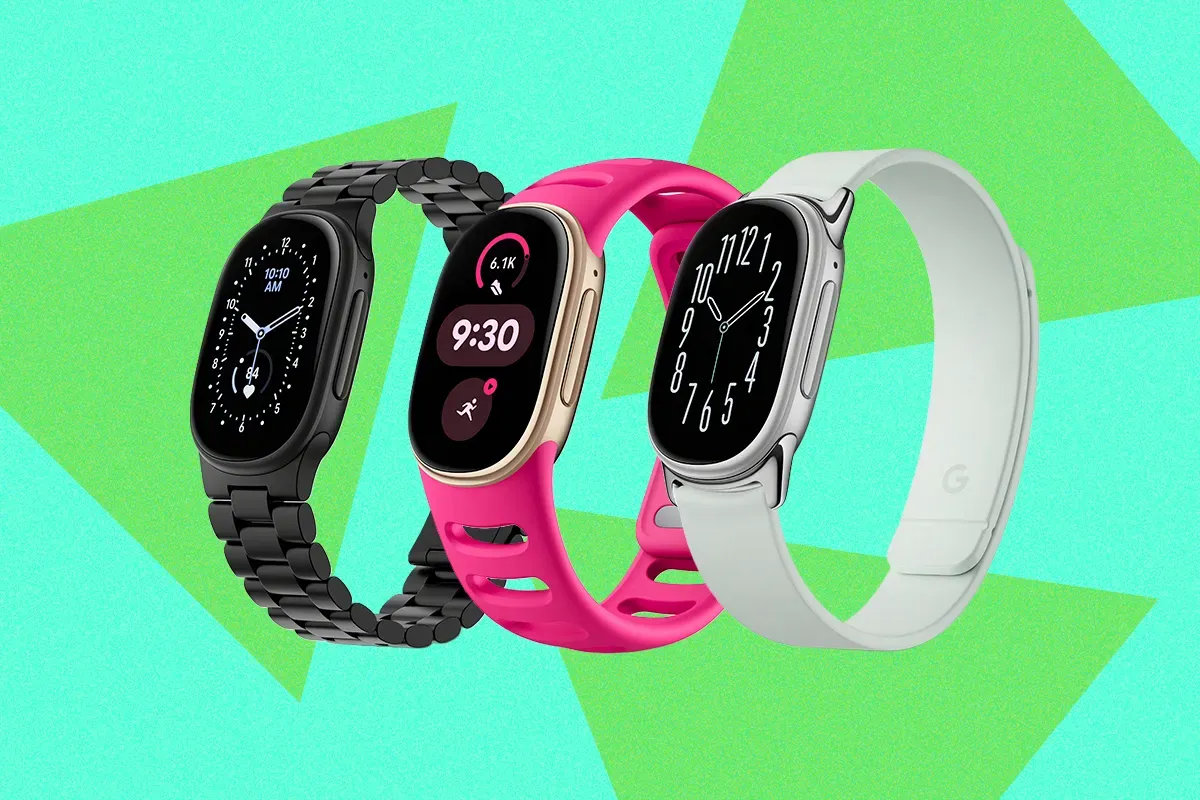
The Fitbit Edge represents a significant hardware leap for the Fitbit lineup, specifically designed for users who found the screenless Fitbit Air too limited but found the Pixel Watch too bulky. The device features a 1.34-inch OLED screen, a notable upgrade from the 1.04-inch display found on the older Charge 6. This extra real estate is intended to make glancing at metrics during intense workouts much easier.
Beyond the display, the Edge incorporates high-end sensors borrowed from the Pixel Watch ecosystem. It includes an altimeter that utilizes atmospheric pressure to measure elevation changes, allowing the device to record elevation gain and loss during outdoor activities and track floors climbed. For health monitoring, it features a far-field skin temperature sensor, which replaces the standard temperature sensor used in other Fitbit models. The device also includes built-in GPS and electrical sensors that work in conjunction with the electrocardiogram (ECG) app. While it offers advanced tracking, it maintains a slim, pill-shaped design that may suit smaller wrists better than the rounder Pixel Watch. Battery life is rated at seven days on a single charge, and the device can reach a full charge in approximately 90 minutes—half an hour faster than the Charge 6.
How does the replaceable battery work on the Fitbit Edge?
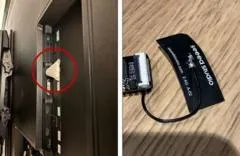
In a move that aligns with Google's broader efforts to increase the repairability of its hardware, the Fitbit Edge introduces a user-replaceable battery. This is a first for the Fitbit brand. The ability for owners to swap the battery cell themselves addresses a long-standing concern regarding the longevity of sealed wearable devices, which often become e-waste once the battery degrades.
This design shift is likely influenced by new battery regulations expected to take effect next year in the European Union. By making the battery replaceable, Google is positioning the Edge as a more sustainable long-term companion. While the hardware allows for this, the specific repair options, including the availability of parts and the exact process for swapping the cell, will vary based on the user's region and local availability. This move mirrors similar repairability initiatives Google has applied to the Pixel Watch line, signaling a shift in how the company approaches the lifecycle of its wearable products.
Which regions receive official battery replacement support?
While Google has confirmed the hardware capability for a user-replaceable battery, the full extent of official support remains tied to local regulations and existing service networks. Google has not released a comprehensive list of every country where specific replacement programs or official parts will be available at the moment of launch.
However, it is clear that the feature is heavily targeted toward markets with strict environmental and battery regulations, such as the European Union. For users outside these primary regulatory zones, the ability to replace the battery may rely more on the user's own technical ability or third-party support. Early adopters are encouraged to check their local Fitbit support pages once the device officially ships on October 27 to understand the specific repair pathways available in their territory.
What health and activity tracking features does the Fitbit Edge offer?
The Fitbit Edge leverages Google's Gemini Intelligence to provide more sophisticated activity monitoring than previous generations. The device can now automatically identify up to 100 different workout types, a significant increase in intelligence compared to the older models. Furthermore, it can track more than 50 specific exercise modes, up from the 40 modes supported by its predecessor. This intelligence is also being rolled out to the Pixel Watch 5 and the Fitbit Air, ensuring a consistent experience across Google's wearable ecosystem.
For users who opt for a Google Health Premium subscription, the Edge unlocks advanced biometric trends. This includes the ability to track blood pressure trends without the need for manual calibration, as well as monitoring insulin resistance trends without requiring a blood draw. These advanced capabilities, which were first announced alongside the Pixel Watch 5, became available to users at the end of September. By integrating these high-level metrics into a more affordable tracker, Google is bringing professional-grade health insights to a wider audience of fitness enthusiasts.
When will the Fitbit Edge ship and how much does it cost?
The Fitbit Edge is positioned as a mid-range option in the Google wearable lineup. The standard model is priced at $179, making it a more accessible alternative to the more expensive Pixel Watch. For those looking for a premium aesthetic, a Stephen Curry collaboration edition is available for $220, featuring the same brown-orange colorway seen on the Fitbit Air and Pixel Watch 5.
Preorders for the device opened on October 12, 2026, with the official retail launch set for October 27. While the core hardware is ready, some software features are still in the rollout phase. For instance, while users can currently control music playback on connected Bluetooth devices, Google Maps turn-by-turn directions are not yet available; these are scheduled to arrive via a software update later this year. This phased approach allows Google to expand the device's utility through software even after the initial hardware release.
Why does the Fitbit Edge lack NFC payments?
One notable omission in the Fitbit Edge's specification sheet is the lack of a near-field communication (NFC) sensor. This means that, unlike the Charge 6, the Edge does not support contactless payments through Google Wallet. This is a surprising downgrade for a device that Google is marketing as a significant step up from its basic Fitbit models.
Google has not provided a specific reason for the removal of this feature. The absence of NFC could be a point of contention for users who rely on their fitness trackers for quick, hands-free transactions during workouts or travel. While the Edge gains many advanced features—such as improved sensors, a larger screen, and AI-driven tracking—the loss of Google Wallet support remains the most significant functional regression compared to the previous generation of screen-equipped Fitbits.
Frequently asked questions
Is the Fitbit Edge compatible with iPhone?
Yes. Unlike some of Google's more integrated smartwatches, the Fitbit Edge is designed for broad compatibility. It works with both Android and iPhone users through the Google Health app.
Does the Fitbit Edge have built-in GPS?
Yes. The Edge restores built-in GPS functionality, a feature that was missing from the screenless Fitbit Air. This allows for accurate outdoor activity tracking without needing to carry a smartphone.
What band options are available for the Fitbit Edge?
The Edge offers a variety of styles to suit different occasions. Available options include the Active Band, Active Sport Band, Performance Loop Band, Magnet Band, and Metal Links Band. There is also a special Stephen Curry collaboration band in a brown-orange color.
Can the Fitbit Edge track blood pressure?
Yes, but it requires a Google Health Premium subscription. With the subscription, the device can track blood pressure trends without the user needing to perform manual calibrations.
When will Google Maps directions appear on the Fitbit Edge?
Google Maps turn-by-turn directions are expected to arrive later in 2026 through a scheduled software update.
Key takeaways
The Fitbit Edge restores a screen and adds a replaceable battery to the Fitbit lineup at a $179 price point.
It offers seven-day battery life, a 1.34-inch OLED display, built-in GPS, and advanced sensors like an altimeter and skin temperature sensor.
Automatic workout detection is enhanced by Gemini Intelligence, identifying up to 100 different workout types.
Premium subscribers can access blood pressure and insulin resistance trend tracking.
The device is compatible with both Android and iOS, though it lacks NFC support for Google Wallet payments.
Preorders are currently open, with the device going on sale on October 27, 2026.
Conclusion
The Fitbit Edge occupies a strategic middle ground in Google's wearable portfolio. By combining the advanced sensor suite of the Pixel Watch with the practical battery life and price point of the Fitbit line, it offers a compelling solution for users who want data-rich tracking without the bulk or cost of a full smartwatch. The introduction of a user-replaceable battery is a significant step toward sustainable consumer electronics, even if the removal of NFC payments is a disappointing trade-off. As software updates bring navigation and further refinements, the Edge is poised to become a versatile tool for both Android and iPhone users alike.