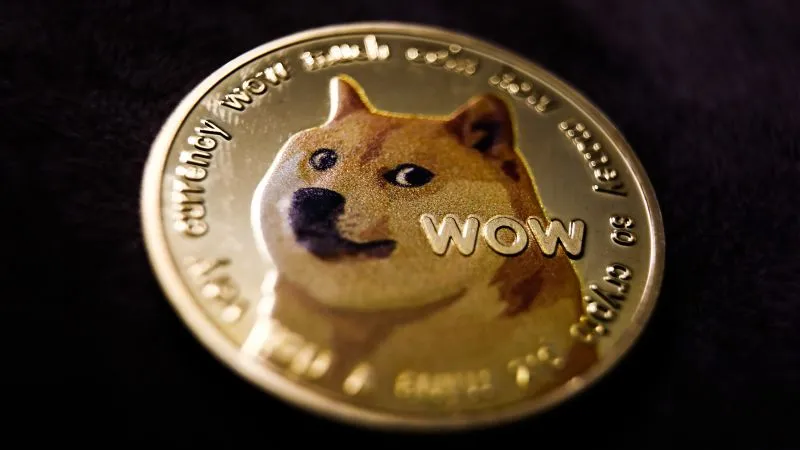
Why did the Dogecoin price jump so suddenly?
The Dogecoin price jump was triggered by a direct visual association between the Twitter platform and the Shiba Inu mascot. When Elon Musk updated the platform's branding, replacing the long-standing blue bird with the Shiba Inu, the market interpreted the move as a signal of increased integration or support for the cryptocurrency. Within minutes of the logo change, Dogecoin experienced a rapid increase in trading volume and valuation.
This type of market reaction is characteristic of "meme coins," which often rely on social sentiment and celebrity endorsements rather than fundamental utility. The suddenness of the spike highlights how sensitive these digital assets are to real-time changes in social media iconography and the perceived intentions of influential figures like Musk. Because these assets lack the deep institutional backing of established currencies, their value can swing wildly based on a single image or a brief social media update.
Market analysts note that such spikes are often driven by automated trading algorithms that scan for keyword changes and visual updates, further accelerating the velocity of the price movement. This creates a scenario where the asset's value is disconnected from any underlying technological advancement, moving instead on the momentum of pure perception.
How does the Twitter rebranding affect cryptocurrency markets?
The Twitter rebranding serves as a potent catalyst for volatility in the cryptocurrency sector, particularly for assets linked to Musk's personal brand. By altering the most visible aspect of the platform—the logo—Musk effectively broadcasted a message to millions of users and traders simultaneously. This action creates a feedback loop where the visual change leads to speculative buying, which in turn drives further social media discussion and price appreciation.
Historically, Musk's interactions with the crypto space have moved markets. While Bitcoin and Ethereum are the primary institutional assets, Dogecoin remains uniquely susceptible to these "sentiment shocks." The rebranding demonstrates that for certain assets, the perception of utility or affiliation can be just as impactful as actual technological developments. This event serves as a case study in how digital branding can be leveraged to influence global financial sentiment in real-time, often bypassing traditional economic indicators entirely.
The ripple effect of such a rebranding extends beyond a single token. It highlights a structural vulnerability in the modern crypto market where the "narrative" becomes a tradable commodity. When a major platform undergoes a visual shift, it forces traders to re-evaluate their positions on all assets associated with that platform's owner, leading to broader market turbulence that can spill over into unrelated digital assets.
What is the relationship between Elon Musk and Dogecoin?
Elon Musk has maintained a long-standing, often playful relationship with the Dogecoin community. His frequent mentions of the token on Twitter have historically acted as a primary driver for its price movements. While he has not officially integrated Dogecoin into the core financial infrastructure of his various companies, his public affinity for the meme has made him a central figure in the token's ecosystem.
The replacement of the Twitter bird with the Shiba Inu is the most explicit symbolic gesture Musk has made regarding the token. It bridges the gap between his role as a tech executive and his persona as a cryptocurrency enthusiast, further blurring the lines between corporate branding and personal social media influence. This relationship suggests that the token's value is inextricably tied to Musk's public persona, making it a unique hybrid of a financial asset and a cultural symbol.
This symbiosis creates a complex dynamic for investors. On one hand, the association provides Dogecoin with a level of visibility and cultural relevance that few other altcoins possess. On the other hand, it leaves the asset's stability entirely dependent on the whims and public image of a single individual. This lack of institutional decoupling means that any shift in Musk's public sentiment—positive or negative—can result in immediate and drastic changes to the token's market capitalization.
The impact of celebrity endorsement on meme coins
Celebrity endorsements, particularly from figures with massive reach like Musk, create a unique phenomenon in the digital asset market. Unlike traditional equities, where value is often tied to earnings reports and quarterly guidance, meme coins thrive on attention. When a high-profile individual aligns themselves with a specific asset through visual or verbal cues, it triggers a massive influx of retail interest. This influx often leads to "FOMO" (fear of missing out), driving prices up rapidly before the initial hype subsides.
This cycle underscores the speculative nature of the market, where the primary value driver is often the strength of the community and the visibility of its most prominent supporters. The rapid rise and potential for equally rapid falls make these assets highly attractive to speculators but extremely risky for those seeking stability. The endorsement acts as a megaphone, amplifying community sentiment to a global scale in a matter of seconds.
Furthermore, this phenomenon creates a barrier to entry for traditional financial analysis. When a celebrity's social media activity becomes a primary market mover, standard metrics like market cap-to-earnings or network hash rates become secondary to the "celebrity effect." This shifts the landscape of digital finance toward a model that mirrors pop culture trends more closely than traditional economic models, making the market increasingly difficult to predict using conventional tools.
What are the broader implications for social media platforms?
The rebranding of Twitter under Musk's ownership suggests a shift toward a more personality-driven and potentially decentralized platform identity. By using a meme mascot, the platform moves away from the traditional, neutral branding of a global communications utility and toward something more aligned with internet subcultures. This shift has significant implications for how advertisers, users, and regulators view the platform's stability and purpose.
For investors, this move signals that the platform's direction may continue to be influenced by the personal interests and whims of its owner. This introduces a layer of "key man risk" to the platform itself, where changes in corporate identity are tied to the individual actions of a single person, rather than a consensus-driven board of directors. As the platform's brand becomes more synonymous with Musk's personal interests, its perceived reliability as a neutral medium for information may face increasing scrutiny.
Additionally, the integration of meme culture into corporate branding could alter the advertising landscape. If a platform's identity is seen as volatile or tied to speculative assets, premium advertisers may hesitate to associate their brands with the platform's changing aesthetic. This tension between internet-native culture and institutional stability remains one of the most significant unresolved questions for the platform's long-term business model.
Key takeaways
- Dogecoin saw a rapid price increase following the replacement of the Twitter bird logo with a Shiba Inu.
- The rebranding move directly linked the social media platform's identity to the meme-based cryptocurrency.
- Musk's influence continues to be a primary driver of volatility for Dogecoin and similar assets.
- The event highlights the high sensitivity of meme coins to social media sentiment and celebrity actions.
FAQ: Dogecoin and Twitter rebranding
Why did Dogecoin's price increase?
Dogecoin's price increased because Elon Musk replaced the Twitter logo with a Shiba Inu, which is the mascot for Dogecoin. This change led investors to believe there might be a deeper connection or upcoming integration between the platform and the cryptocurrency.
Is Dogecoin officially part of Twitter?
There is no official confirmation that Dogecoin has been integrated into Twitter's financial systems. The logo change is widely viewed as a symbolic gesture by Elon Musk rather than a formal announcement of a cryptocurrency payment system.
How much did Dogecoin rise during the rebranding?
While specific percentages vary by exchange, the price experienced a significant and rapid spike immediately following the logo change. This surge was driven by high trading volumes as speculators reacted to the visual update on the platform.
Does Elon Musk frequently influence crypto prices?
Yes, Elon Musk has a history of influencing cryptocurrency prices through his social media posts and public comments. His mentions of Bitcoin and Dogecoin have historically resulted in notable market volatility and rapid price movements.
What is a meme coin?
A meme coin is a type of cryptocurrency that is inspired by internet memes and often lacks a specific technical utility. Their value is primarily driven by community sentiment, social media trends, and the influence of prominent individuals.
Conclusion
The sudden surge in Dogecoin's value following the Twitter rebranding illustrates the profound impact that celebrity influence and symbolic gestures can have on the cryptocurrency market. By replacing the iconic blue bird with the Shiba Inu, Elon Musk bridged the gap between social media identity and meme culture, triggering a massive speculative reaction. While the move highlights the volatility inherent in meme-based assets, it also underscores a broader trend where digital identity and social sentiment become primary drivers of financial value in the modern era.