Which smart scale delivers the best overall performance?
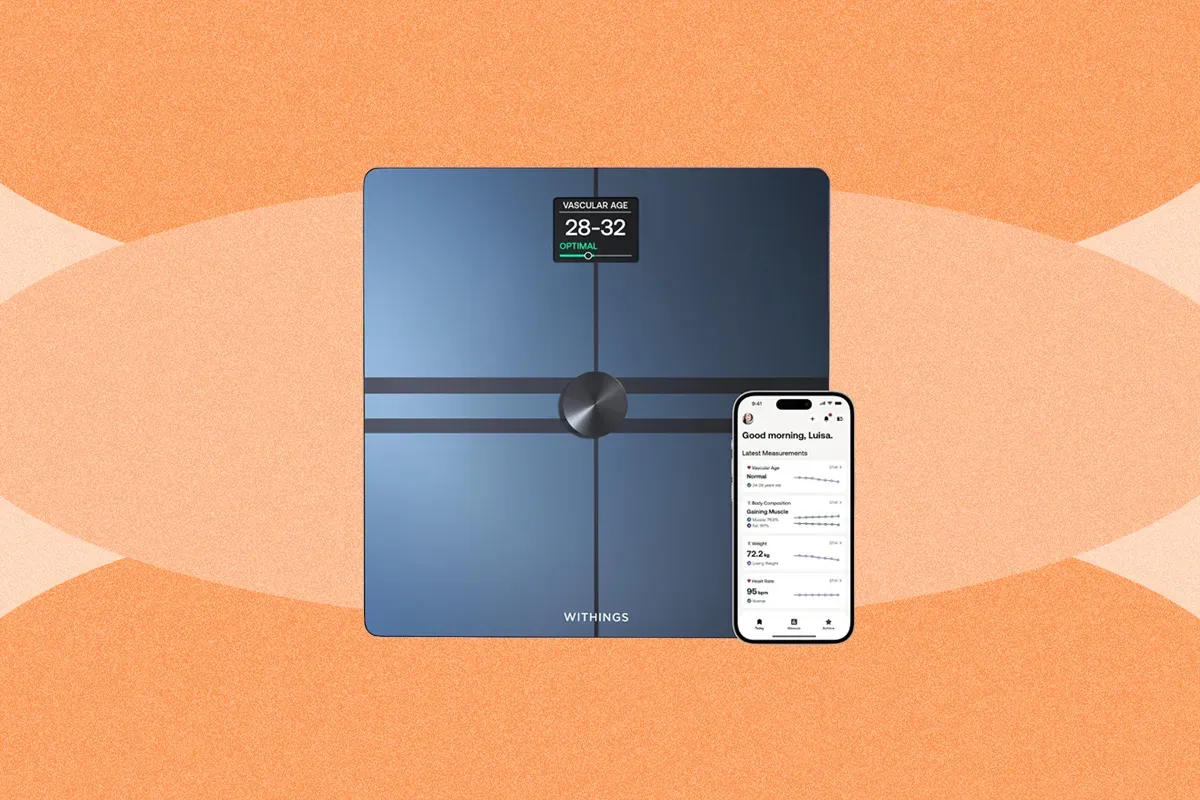
The Withings Body Comp stands out for its balanced features and reliable daily use. This Wi-Fi-enabled scale is a significant step up from earlier models like the Body Cardio, which suffered from various flaws. The Body Comp provides a quick, painless experience, running through a series of measurements that include weight, heart rate, various fat and muscle measurements, vascular age, and electrodermal activity—a metric that measures skin response via sweat gland stimulation in your feet.
While the scale's heart rate measurement can sometimes skew about 10 beats per minute too fast, the device offers much more than just health data; it even reports the day’s weather and forecasts local air quality on its bright color display. The Withings app has matured impressively, allowing for long-term data tracking that can span decades. For instance, I have readings on Withings devices dating back to 2010. At a discounted price near $171, it is a worthwhile investment for those who want a sophisticated tool that integrates seamlessly into a morning routine.
How do smart scales measure body composition?
Smart scales rely on bioelectrical impedance analysis (BIA) to gauge vitals beyond simple weight. This process involves sending a minuscule electric current up one leg and measuring what happens when it comes down the other side. Through a series of mathematical calculations, the scale converts these conductivity readings into derived measurements such as body fat percentage, water, bone mass, body-mass index (BMI), and even basal metabolic rate (BMR), which measures energy consumption at rest.
The category has seen a massive shift recently with the arrival of full-body scanners. Unlike standard floor scales that only use BIA through the feet, these devices feature retractable handles with electrodes. This allows the scale to send pulses through the hands as well, providing a much more holistic and ostensibly accurate look at body metrics. It is worth noting that there is a discrepancy between the two: I have seen body fat percentage numbers swing by as much as 6 percent between foot-only scales and full-body scanners, with the full-body scanner data typically coming in higher. Regardless of the specific number, the most important factor is the trend line—ensuring your metrics are moving in the right direction over time.
What affects measurement consistency?
To get the most out of a smart scale, consistency is paramount. Most experts agree that the best time to weigh in is first thing in the morning, specifically before you have eaten and after you have used the restroom. This controlled environment ensures an "apples-to-apples" comparison each day. Because eating and drinking cause significant weight fluctuations, weighing yourself on an empty stomach provides a much more stable baseline. As a secondary benefit, your weight is often at its lowest immediately after waking, which can provide a psychological confidence boost.
Connectivity also plays a role in how easily you can track these trends. Smart scales generally come in two flavors: Bluetooth and Wi-Fi. Bluetooth models connect directly to your phone to sync readings, while Wi-Fi models use your home network to sync data straight to the cloud. While Wi-Fi models are often more expensive, they are more versatile and allow your phone's app to access data without a direct connection. While older wireless connections were sometimes erratic, modern firmware updates have significantly improved the reliability of these devices.
Which budget smart scale offers strong value?
For those seeking entry-level technology, the Wyze Scale X is an exceptional value. Wyze has built a reputation for offering smart home technology at a fraction of the cost of competitors, and the Scale X follows that trend. This Bluetooth-only device features an LED screen to display your weight, while the Wyze app provides access to 13 different metrics, including muscle mass, visceral fat, and BMR measurements.
The scale is highly versatile for households, supporting up to eight users. It even includes specialized modes for babies, pets, and luggage, ensuring that non-human weight doesn't skew your personal health statistics. While it is a budget device, it remains capable and well-made. During sale events, the price has been known to drop as low as $20, making it an incredibly accessible option for anyone who wants to start tracking their body composition without a heavy financial commitment.
What distinguishes full-body scanner scales?
Full-body scanners, such as the Withings BodyScan 2, represent the high end of the market, with prices reaching up to $600. These devices move beyond the blunt measurements of a standard scale by using 12 electrodes (via retractable handles) to provide a limb-by-limb analysis. The BodyScan 2 offers two distinct types of assessments: a daily scan and a weekly longevity scan. The daily scan covers weight, fat, muscle, water, visceral fat, and heart rate. The weekly longevity scan is a more intensive 90-second experience that gathers 60 different metrics, including blood oxygen levels via a thumb-based scanner and nervous system response.
One of the most advanced features of the BodyScan 2 is its six-lead ECG, which can assist in detecting AFib situations. While the results are beamed to the app almost instantaneously, ECG results can take up to two days to appear because they are reviewed by a professional cardiologist. To ensure maximum accuracy, the BodyScan 2 includes a built-in leveling system that requires the user to be perfectly balanced before a weight reading is recorded. This level of detail is designed for serious athletes or those who want a comprehensive view of their heart health and longevity markers.
Are there lower-cost full-body alternatives?
If the $600 price tag of a premium scanner is too steep, there are several mid-range alternatives that still offer limb-specific data. The Renpho MorphoScan Nova, priced around $200, is a strong contender. It features a sleek glass base and an upgraded BIA sensor, along with a large handlebar-based LCD screen and voice prompts. While its app may not be quite as intuitive as Withings', it provides a high-end experience for a third of the price of the BodyScan 2. You can also upgrade the MorphoScan for an extra $30 just for improved aesthetics.
Other options include the Runstar Smart Body Fat Scale (FG2015) and the Renpho MorphoScan. Interestingly, the Runstar scale and the Renpho MorphoScan are very similar, even utilizing the same app for data collection. The Runstar model is a particularly good value at approximately $140, offering 20 metrics and support for up to 24 users. It also features USB-C rechargeability. These models allow users to access deep body composition data without the premium cost of a medical-grade device, though they may lack the advanced ECG features found in the top-tier Withings models.
Frequently asked questions
Do smart scales require Wi-Fi?
Not necessarily. Smart scales typically fall into two categories: Bluetooth and Wi-Fi. Bluetooth models require a direct connection to your smartphone to sync data, whereas Wi-Fi models connect to your home network to sync data to the cloud, making it accessible from any device with the app.
How accurate are body-fat readings?
It is important to remember that these readings are estimates. Because different technologies (like foot-only vs. full-body) can produce different results, you should focus on the trend line rather than the absolute number. As long as your metrics are moving in the direction of your goals, the scale is doing its job.
Can multiple people use one scale?
Yes, most smart scales are designed for household use. Models like the Wyze Scale X support up to eight users, while others like the Runstar can support up to 24. Many scales also include specific modes for babies or pets to ensure their data does not interfere with adult user profiles.
Do these scales integrate with fitness apps?
Most modern smart scales are designed to work within the broader health ecosystem. All the models tested can sync data with Apple Health and Google's Health Connect, either directly or by passing the data through the manufacturer's proprietary app.
Is a full-body scanner worth the extra cost?
For the average user, a standard smart scale is usually sufficient for tracking weight and general body composition trends. Full-body scanners are better suited for serious athletes or individuals who want to monitor specific, high-level health indicators like visceral fat or heart rhythm via ECG.
Key takeaways
- The Withings Body Comp is the best overall choice for those wanting a balance of advanced biomarkers and reliable daily performance.
- Full-body scanners like the Withings BodyScan 2 offer much deeper data, including ECG and limb-specific metrics, but come at a significantly higher price point.
- Consistency is key: Weighing yourself in the morning on an empty stomach provides the most reliable data for tracking long-term trends.
- Budget options like the Wyze Scale X provide excellent value, offering essential metrics for a very low cost.
- Data integration is standard, with most scales syncing easily with Apple Health and Google Health Connect.
Conclusion
The smart scale market has undergone a massive transformation, moving from simple weight tracking to sophisticated health monitoring. Whether you are looking for a budget-friendly Bluetooth device like the Wyze Scale X or a high-tech medical-grade scanner like the Withings BodyScan 2, there is now an option for every level of interest. While the absolute numbers on a scale may vary depending on the technology used, the true value lies in the ability to track your progress over time. By choosing a scale that fits your budget and lifestyle, and maintaining a consistent weighing routine, you can gain the insights necessary to manage your health effectively.