
Why has the World Food Programme reduced its Gaza operations?
The World Food Programme attributes the reductions solely to lower donor contributions. Funding for its Palestinian operations in 2026 reached less than half the level recorded in prior years. The agency states that needs have not declined and that access remains possible. It now seeks 450 million dollars to keep essential programmes running through the next six months.
How will daily food distributions change for Gaza residents?
Community kitchens will serve 100,000 fewer hot meals each day. Recipients in areas near the Yellow Line will shift from daily to alternate-day deliveries. Monthly flour and ration box distributions will fall from 1.1 million to 600,000 people. Cash transfers already reduced since July will continue at lower levels for roughly 500,000 individuals.
Impact on specific households
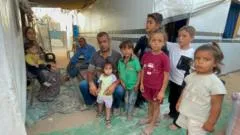
Displaced mothers interviewed in al-Mawasi described existing portions as already insufficient. They noted that pasta or lentil meals with occasional vegetables cannot meet family requirements. Several households expressed concern that reduced frequency will leave children without adequate nutrition as winter approaches.
What is the current food security situation across Gaza?
Despite a ceasefire agreed one year earlier, violence persists with near-daily strikes. Markets contain stock yet remain inaccessible to most residents because more than 80 percent of the population is unemployed. The Integrated Phase Classification reported in July that 1.4 million people face crisis or worse levels of acute food insecurity through December 2026. No large-scale reconstruction has occurred and Israel maintains tight control over goods entering the territory.
Which programmes will the World Food Programme continue to support?
Bakeries supplying one third of Gaza's bread needs will remain operational. Nutritional support will continue for approximately 300,000 women and children. Health-focused snacks will still reach around 200,000 children. In the West Bank the agency has already halved its caseload to 200,000 people while noting rising food insecurity linked to settler violence and displacement.
Frequently asked questions
What caused the funding shortfall for Gaza operations?
Donor contributions for the World Food Programme's work in Palestine fell to less than half the amounts received in previous years, forcing cuts despite unchanged needs.
How many people will lose daily hot meals?
The number of hot meals provided daily will drop from 250,000 to 150,000, directly affecting families who rely on community kitchens for their main source of food.
Will the agency still deliver flour and ration boxes?
Monthly distributions of flour and ration boxes will be reduced from 1.1 million to 600,000 recipients as part of the overall scaling back of assistance.
Is reconstruction progressing in Gaza?
No meaningful reconstruction has taken place. Israel continues to control the entry of goods, and most of the population remains without permanent housing or reliable access to basic services.
What additional funds does the World Food Programme require?
The agency states it needs 450 million dollars to sustain critical food assistance programmes across Gaza for the next six months.
Key takeaways
The World Food Programme will reduce the number of people it assists in Gaza from 1.6 million to 1.1 million because of funding shortfalls.
Daily hot meals from community kitchens will fall from 250,000 to 150,000 portions.
Residents in hard-to-reach areas will receive meals every other day instead of daily.
The agency requires 450 million dollars to maintain operations through the next six months.
Two thirds of Gaza's 2.1 million residents continue to depend on food aid for survival.
Acute food insecurity affects 1.4 million people according to the July Integrated Phase Classification assessment.
Conclusion
Reduced contributions have compelled the World Food Programme to scale back its Gaza operations at a time when most residents still lack stable incomes and permanent housing. The cuts coincide with the approach of winter and ongoing restrictions on commercial goods. Continued support for bakeries and targeted nutrition programmes offers limited continuity, yet the overall reduction in reach leaves larger numbers of families exposed to worsening food insecurity. Sustained donor funding remains essential if broader humanitarian deterioration is to be avoided.




