
What is the current scale of violence against women in South Africa?
The statistics surrounding violence against women in South Africa reveal a deeply entrenched national crisis. Between April and June 2026, the South African Human Rights Commission reported that 569 women were murdered, representing a daily average of six fatalities. During this same period, 1,052 women survived attempted murder attempts.
The broader context of crime in the country is equally severe. According to recent data, 5,427 people were murdered in South Africa between April and June 2026 alone. This high homicide rate provides a backdrop to the specific issue of gender-based violence (GBV), which targets women with particular frequency and brutality.
Historical data further underscores the systemic nature of this issue. A 2022 report by the Human Sciences Research Council found that more than 35% of South African women have experienced either physical or sexual violence, often perpetrated by intimate partners. The recent discovery of 12 women's bodies in the Ekurhuleni area near Johannesburg has further intensified public outcry and fear.
How is Father A Nation addressing the root causes of violence?
Father A Nation is a non-profit organisation that focuses on engaging men and boys to promote positive masculinity as a tool to combat gender-based violence. The group operates across South Africa, providing training programmes in dozens of schools and colleges to reshape how men perceive their roles in society.
The organisation's methodology involves a two-phase approach to behavioral change. According to Craig Wilkinson, the founder of the group, the first phase focuses on emotional processing. He explains that they encourage men to talk and process their feelings, which facilitates a necessary period of healing.
The transition to positive masculinity
Once the initial emotional work is completed, the group moves into the second phase of its programme. This stage involves direct teaching and training on the principles of positive masculinity. The ultimate objective is to empower men to become a "powerful force for good" and to eliminate the scourge of gender-based violence by teaching them to choose a different path.
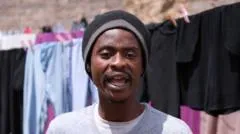
Local organisers like Itumeleng Stephen Tamaga, known as "Bra Steve," lead these efforts on the ground in informal settlements such as Organic Market. By holding meetings in community spaces, they aim to restore dignity to men and prevent violence before it occurs.
What are the specific challenges faced by men in these communities?
Men participating in these programmes often admit to personal failures and a lack of healthy role models within their communities. For some, the motivation to change comes from a place of regret and a desire to break cycles of domestic abuse.
Kgomotso Mathekga, a 30-year-old participant, shared his experience of having used violence against a former partner during an argument. He noted that the consequences of his actions included the loss of his relationship and the inability to see his child. Mathekga expressed a desire to become a gentleman and a better contributor to society, rather than part of the problem.
The lack of positive masculine figures is a recurring theme in these discussions. Mathekga observed that many fathers and uncles in these settlements are absent, often due to incarceration. This vacuum of leadership makes the work of Father A Nation vital, as participants strive to become the role models that their communities currently lack.
How has the recent wave of murders affected women's safety?
The recent spate of femicides in Ekurhuleni has created a climate of intense fear and hyper-vigilance among women in South African communities. In areas like Organic Market, women report feeling unsafe even during routine daily activities.
Women have described a constant state of anxiety regarding their physical security. For instance, residents like Linkie, who lives in an informal settlement, expressed that walking outside feels dangerous. The presence of a vehicle following a pedestrian can trigger immediate fear of kidnapping or assault. This sense of vulnerability is so pervasive that some women, such as Providence Maseko, now rely exclusively on e-hailing taxis to avoid walking in public spaces.
The psychological impact of the violence is compounded by a lack of trust in the community. The uncertainty surrounding the recent murders—which police have not officially linked to a serial killer—has led to heightened suspicion among neighbors. This atmosphere makes it difficult for women to feel secure even within their own social circles.
What is the government's response to the crisis?
President Cyril Ramaphosa has acknowledged that the South African government has failed to do enough to protect women from violence. In response to the rising tide of femicide, the administration has announced several measures intended to increase public safety.
The proposed government interventions include:
- Implementing better street lighting to improve visibility and deter attackers.
- Conducting a comprehensive review of unsolved murder cases to improve justice outcomes.
- Developing broader measures to ensure women feel more secure in public spaces.
However, these measures have met with criticism from community leaders. Zizipho Mtwesi, a project co-ordinator for Father A Nation, argued that these actions are "too little, too late." He emphasized that the focus should be on preventative measures—reaching men and changing behaviors before murders occur—rather than merely reacting to tragedies after they have happened.
FAQ: Violence against women in South Africa
How many women are killed daily in South Africa?
On average, six women are killed every day in South Africa. This figure is based on data from the South African Human Rights Commission covering the period between April and June 2026, during which 569 women were murdered.
What is Father A Nation's role in addressing GBV?
Father A Nation is a non-profit organisation that works with men and boys to promote positive masculinity. They provide training in schools and colleges to help men process emotions and adopt healthier behaviors to prevent gender-based violence.
Has the government taken action against the rising femicide rates?
Yes, President Cyril Ramaphosa has announced measures such as improving street lighting and reviewing unsolved cases. However, community activists argue these reactive steps are insufficient to address the systemic roots of the violence.
What are the primary fears expressed by women in these areas?
Women report intense fear of kidnapping, assault, and being followed by strangers. This has led to a significant loss of freedom, with many avoiding walking outside and preferring e-hailing services for transport.
What does the Human Sciences Research Council report indicate?
A 2022 report from the Human Sciences Research Council found that more than 35% of South African women have experienced physical or sexual violence, frequently at the hands of intimate partners.
Key takeaways
- South African women face a daily average of six murders according to recent human rights data.
- Father A Nation uses a two-phase training model to teach positive masculinity to men.
- Over 35% of South African women have experienced physical or sexual violence since 2022.
- Community leaders criticize government measures as being reactive rather than preventative.
Conclusion
The crisis of violence against women in South Africa is a multifaceted issue involving systemic failure, deep-seated social patterns, and a profound sense of insecurity among women. While government interventions like improved lighting and case reviews offer some hope, they do not address the underlying cultural drivers of gender-based violence. Organisations like Father A Nation represent a vital grassroots attempt to change the narrative by engaging men directly. Ultimately, ending this cycle of violence will require a sustained, dual approach: robust state protection and a fundamental shift in masculinity within the community.