
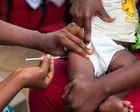
What is the structure of the Guinea-Bissau vaccine trial?
The research project aims to enroll 14,000 infants in Guinea-Bissau to study the effects of hepatitis B vaccination on mortality, skin conditions, and neurodevelopmental outcomes. The core of the study involves a randomized approach where half of the babies receive the recommended hepatitis B vaccine at birth, while the other half is withheld from the dose for the first six weeks of life.
According to details shared with the Guardian, the study protocol has undergone revisions since its initial posting in January. The updated methodology includes testing mothers for hepatitis B prior to childbirth. If a mother tests positive, her infant will receive the vaccine immediately and will be excluded from the trial. However, infants born to mothers who test negative are eligible for enrollment in the randomized study.
This distinction is critical because hepatitis B can be transmitted from mother to child during birth, but it also spreads through community exposure. The virus is highly resilient, capable of surviving on surfaces like washcloths or toothbrushes for up to seven days. Consequently, even if a mother is negative, the infant remains at risk of infection through casual contact in the community.
Risks of the updated protocol
Medical experts have pointed out a significant technical flaw in the updated protocol: the hepatitis B test carries a 5% false negative rate. This means that even with maternal testing, there is a statistical certainty that some infants in the 'unvaccinated' group will be born to parents who actually carry the virus, thereby increasing their risk of infection as a direct result of being part of the research project.
Why are medical experts criticizing the trial's ethics?
The primary ethical concern is that the trial effectively places newborns into a 'lottery' where the losers face a heightened risk of contracting hepatitis B. Stig Børsen Hansen, a founding member of the research group who resigned in protest, stated that children who are not selected for the birth dose face the risk of irreversible, lifelong damage. He argued that these children are contracting the virus specifically because of the research design.
The controversy is heightened by the fact that the vaccine is known to be beneficial. Henrik Støvring, a professor of statistics and pharmacometrics at Aarhus University, noted that it is inherently unfair to withhold a proven protective measure to study speculative outcomes. He highlighted that the World Health Organization (WHO) and other global health bodies advocate for the birth dose as a standard of care.
Furthermore, the approval process itself has been questioned. The ethics committee at the University of Southern Denmark, which approved the study, had no prior experience considering medical studies. The committee reportedly changed its own rules to allow for a vote on this specific project. While the national ethics committee in Denmark oversees medical research, this study fell outside their direct purview because the clinical work is situated in Guinea-Bissau.
How is Robert F. Kennedy Jr. connected to this research?
Robert F. Kennedy Jr., the Secretary of the US Department of Health and Human Services (HHS), has been a vocal proponent of the researchers involved in the trial. At a recent anti-vaccine conference, Kennedy described the Danish researchers as "the deities of vaccine research." His support aligns with a broader political agenda that seeks to reduce vaccine recommendations and challenge established safety protocols.
Kennedy has used this specific research to exemplify the Trump administration's approach to public health. He has praised the study as a way to investigate potential issues that he claims are being hidden by traditional medical institutions. However, critics note that Kennedy's claims regarding the researchers' previous work are selective; he highlighted a study suggesting mass injuries from vaccines while omitting a follow-up study from the same team that found no such effects.
Paul Offit, an infectious disease physician at Children’s Hospital of Philadelphia, has been particularly critical of Kennedy's involvement. Offit suggested that the trial represents an attempt to bypass US ethical standards by conducting controversial research in a developing nation. He questioned whether the move implies that children in Africa are viewed as more expendable than those in the United States.
What is the funding and political landscape of the trial?
The financial backing for the project involves both public and private sectors. The US Centers for Disease Control and Prevention (CDC) has reportedly allocated $1.6 million from its current budget to the project. This amount is set to be matched by private contributions from the Bluebell Foundation and the Pershing Square Foundation, which was co-founded by billionaire activist Bill Ackman.
The political context in Guinea-Bissau adds another layer of complexity. While the health minister, Quinhin Nantote, had previously suggested the project was suspended due to international outcry, it has since been greenlit. There are also concerns regarding the closeness of the research entities to local government. The Bandim Health Project, which has operated in Guinea-Bissau for decades, is deeply integrated into the local health system, and a high-ranking official in the country's public health directorate recently held a dual appointment with the project.
The Africa CDC has expressed opposition to the trial, noting that discussions are ongoing between the United States and the government of Guinea-Bissau. The timing of the trial is also sensitive; Guinea-Bissau had planned to implement a universal newborn hepatitis B vaccination campaign by 2027, but this has been delayed until 2028. Critics argue that the trial is exploiting this delay in standard care to place children at unnecessary risk.
Frequently asked questions
What are the long-term risks of hepatitis B for newborns?
Infants who contract hepatitis B during their first year of life are at a significantly higher risk of developing chronic infections. According to medical experts, these early infections can lead to severe long-term health complications, including permanent liver damage and the eventual development of liver cancer.
Why can't this trial be conducted in the United States?
The trial cannot be conducted in the US due to the significant ethical concerns regarding withholding a known beneficial vaccine from a control group. US medical ethics standards generally prohibit research designs that intentionally expose participants to preventable, life-threatening diseases for the sake of speculative data.
How is the vaccine transmitted if the mother is negative?
Even if a mother tests negative for hepatitis B, the virus can be transmitted through community exposure. It can survive on surfaces such as toothbrushes, washcloths, and fingernail clippers for up to seven days, making casual transmission possible in environments where newborns are cared for.
What is the role of the CDC in this project?
The US Centers for Disease Control and Prevention (CDC) is providing $1.6 million in funding for the research. This public funding is being matched by private foundations, including the Pershing Square Foundation, to support the study of vaccination outcomes in Guinea-Bissau.
Who are the main researchers behind the study?
The study is led by Danish researchers from the University of Southern Denmark and is associated with the Bandim Health Project. The project has received significant public support from US officials, including HHS Secretary Robert F. Kennedy Jr., who has praised the researchers' work.
Key takeaways
- The Guinea-Bissau trial involves 14,000 infants and involves withholding hepatitis B vaccines from half the group.
- Robert F. Kennedy Jr. has publicly endorsed the researchers and the study's objectives.
- Medical experts warn that the trial creates unnecessary risks for newborns through a randomized design.
- The study is funded by $1.6 million from the CDC and matched by private foundations.
Conclusion
The approval of the hepatitis B vaccine trial in Guinea-Bissau marks a significant flashpoint in the intersection of global health, medical ethics, and US politics. While the researchers and their supporters frame the study as a necessary investigation into vaccine outcomes, the medical community remains deeply divided. The primary concern lies in the ethical implications of a randomized controlled trial that intentionally delays life-saving immunization in a high-risk population. As the project moves forward with US and private funding, the tension between speculative scientific inquiry and the established standard of care continues to escalate.




