
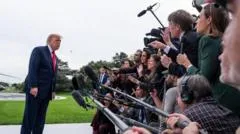
The scope of the antitrust probe
The US justice department (DoJ) has launched an inquiry into whether major television networks violated federal competition laws through their recent handling of presidential coverage. The investigation focuses on whether the decision to pause coverage constituted a breach of the Sherman Act, which prohibits companies from engaging in monopolistic or anti-competitive business practices.
The DoJ has formally requested that ABC, CBS, CNN, NBC, and Fox News provide all communications regarding the presidential pool. This move comes after these five networks collectively suspended their presidential coverage for several days. Under standard operating procedures, pool members typically share their gathered material with the broader media landscape to ensure wide distribution of news. By withdrawing from this system, the networks may have inadvertently triggered antitrust concerns regarding how information is shared or withheld in the competitive media market.
A spokesperson for the DoJ stated that the Antitrust Division is investigating to determine if these news organizations have indeed violated existing antitrust laws. While the networks have not yet issued official comments regarding the request for communications, the investigation marks a significant intersection between media editorial decisions and federal competition regulations.
Origins of the presidential pool boycott
The suspension of coverage was a direct response to the Trump administration's decision to revoke the credentials of specific journalists and outlets. Last month, the administration withdrew access for reporters from CNN, MS Now, and Politico, sparking a chain reaction among other major broadcasters.
President Trump justified the removal of these credentials by accusing the organizations of publishing "fiction or lies" concerning his administration and staff. This move led to immediate legal pushback. The three affected outlets filed lawsuits, contending that the restrictions on their access were a violation of their First Amendment rights. The First Amendment explicitly forbids the government from abridging the freedom of the press, a concept that courts have historically used to prevent the state from discriminating against media entities based on the specific content of their reporting.
Although the White House eventually reinstated access to these outlets following a judicial ruling, the initial boycott by the larger networks had already set the stage for the current federal investigation. The tension highlights a growing rift between executive authority and the traditional mechanisms of press access.
Shifting control of White House media access
The current investigation occurs against a backdrop of significant structural changes to how the White House manages the press pool. In February, the Trump administration announced its intention to take direct control of the press pool, a body that has been managed by the White House Correspondents' Association for over a century.
This shift in management coincides with a series of legal confrontations between the administration and various news publications. The administration has utilized various legal avenues to challenge coverage it deems unfavorable. For instance, the administration previously moved to bar Associated Press (AP) reporters and photographers from highly restricted areas, including the Oval Office and Air Force One. This action was reportedly motivated by the AP's use of the term "Gulf of Mexico" instead of "Gulf of America."




