
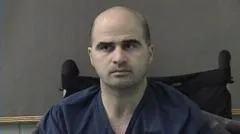
Why are retired US military leaders opposing the execution livestream?
A group of 72 retired high-ranking military officers has formally requested that the US government cancel its intention to broadcast the execution of Nidal Hasan. The signatories of the open letter include 45 generals, 12 admirals, and several former judge advocates general. While these leaders stated they do not oppose the death penalty itself, they argue that the method of broadcasting is fundamentally flawed.
The primary concern raised by these veterans is that a public broadcast would transform a "solemn and grave punishment" into a "carnival for the enjoyment of voyeurs and spectators." They contend that such exploitative broadcasting debases human dignity and would ultimately tarnish the reputation of both the military and the United States. The officers emphasize that the dignity of the institution depends on maintaining professional standards even during the administration of justice.
Constitutional and ethical arguments
The military leaders specifically highlighted the risk of violating the US Constitution's protections against cruel and unusual punishment. By turning a legal execution into a media event, they argue the government would be engaging in a practice that lacks the gravity required by law. This ethical stance is shared by various academics, experts, and religious leaders who have also voiced criticism of the Pentagon's announcement.
How could the livestream impact national security?
Beyond ethical and legal concerns, the retired officers warned that the livestream could pose a significant strategic threat to American interests. According to the letter, the broadcast would likely be utilized by enemies of the United States to incite hatred and fuel future attacks against American soldiers and citizens. The signatories fear that the visual nature of the execution would serve as a powerful propaganda tool.
The most specific security concern is the potential for Nidal Hasan to be viewed as a martyr. Hasan, an Army psychiatrist, carried out the shooting at the Fort Hood military base with the stated belief that he was protecting Muslims and the Taliban in Afghanistan from the US military. The military leaders argue that broadcasting his death would ensure his status as a symbol for those who hold extremist views, potentially radicalizing others and harming the safety of service members worldwide.
What is the background of the Nidal Hasan case?
Nidal Hasan is the perpetrator of the deadliest non-combat attack ever recorded on an American military base. During the shooting at Fort Hood, Hasan killed 13 unarmed US military personnel. His actions were motivated by his ideological alignment with external groups, specifically his belief that his actions were necessary to protect certain interests in Afghanistan from US military intervention.
Hasan was shot during the attack and currently uses a wheelchair. The upcoming execution, scheduled for December 3, is set to be carried out by firing squad. This method of execution has been selected by the Pentagon, a decision that has been met with significant scrutiny from both political and religious sectors of society.
The Fort Hood attack context
The Fort Hood massacre remains a deeply traumatic event in the history of the US military. Because the attacker was an internal member of the Army—a psychiatrist—the breach of trust and the loss of life among unarmed personnel created lasting repercussions for military security and psychological profiling within the armed forces. The upcoming execution is seen by many as a final, highly sensitive chapter in this long-running case.
What is the current political stance on the livestream?
The decision regarding the livestream remains in flux despite initial indications of support from the executive branch. While President Donald Trump has stated he "absolutely" approved of the plan, reports suggest that the administration is currently divided on the matter. According to CBS News, some administration officials are leaning against the livestream, and as of Tuesday, a final decision had not been reached.
The plan was originally announced by Defence Secretary Pete Hegseth. Since the announcement, the proposal has faced a wave of criticism from lawmakers across both major political parties. This bipartisan opposition, combined with the pressure from high-ranking retired officers, has placed the Pentagon in a position where they must weigh the desire for transparency or retribution against the risks of constitutional violations and security threats.
Who are the key signatories of the protest letter?
The letter is signed by a diverse group of military veterans with significant experience in high-stakes legal and combat environments. Notable signatories include retired Maj Gen Tony Taguba, who is well-known for leading the investigation into prisoner abuses at Abu Ghraib in Iraq. His involvement adds significant weight to the argument regarding the ethical conduct of military operations and justice.
Other prominent figures include:
- Retired Air Force Col Moe Davis: A former prosecutor at the Guantanamo Bay detention centre who famously characterized waterboarding as torture.
- Charles Bolden: A US Marine Corps Major General and former head of NASA.
- Retired Lt Gen Claudia Kennedy: The first woman to achieve the rank of three-star general in the US Army.
The inclusion of these individuals—ranging from intelligence investigators to high-level administrators—underscores the breadth of the opposition within the military establishment.
Frequently asked questions
Who is Nidal Hasan?
Nidal Hasan is a former US Army psychiatrist responsible for the Fort Hood shooting, the deadliest non-combat attack on an American base. He killed 13 unarmed military personnel, claiming his actions were intended to protect Muslims and the Taliban in Afghanistan from the US military.
Why is the execution being done by firing squad?
The Pentagon has announced that Hasan's execution on December 3 will be carried out by firing squad. While the specific reasons for choosing this method over other forms of capital punishment are not detailed in the current reports, it remains a central point of the controversial execution plan.
What are the constitutional concerns regarding the livestream?
Retired military leaders argue that broadcasting the execution could violate the US Constitution's prohibition against cruel and unusual punishment. They suggest that turning a legal execution into a public spectacle for spectators debases human dignity and moves away from the solemnity required by law.
Will the livestream be shown to the general public?
The Pentagon's plan is to publicly show the execution. However, the decision is currently being debated within the administration. While President Trump initially approved the plan, some officials are now opposing it, and a final decision is still pending.
How do military leaders view the risk of martyrdom?
Military leaders fear that a public broadcast will turn Nidal Hasan into a martyr. They argue that extremist groups will use the footage to stoke hatred and recruit others, potentially leading to future violence against American soldiers and citizens.
Key takeaways
- 72 retired US military officers are urging the Pentagon to cancel the Nidal Hasan execution livestream.
- Signatories include 45 generals and 12 admirals, citing concerns over constitutional violations.
- The military warns the broadcast could turn the Fort Hood shooter into a martyr for extremists.
- The execution is scheduled for December 3 via firing squad.
- The US administration remains divided on whether to proceed with the public broadcast.
Conclusion
The debate over the proposed US execution livestream highlights a profound tension between the administration's desire for transparency and the military's concern for institutional honor and national security. By framing the broadcast as a potential violation of the Constitution and a catalyst for further radicalization, retired leaders are forcing a difficult conversation about the limits of state-sanctioned spectacle. As the December 3 deadline approaches, the final decision by the administration will serve as a significant precedent for how the United States handles high-profile capital punishment and the intersection of military justice and public media.




