
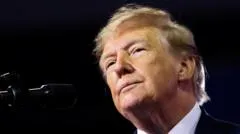
Why did Donald Trump suspend the Russia sanctions?
President Donald Trump suspended several sanctions on Russia to maintain momentum for potential peace negotiations between Moscow and Kyiv. Speaking via his Truth Social platform, Trump stated that he is currently in the process of negotiating peace to end the conflict. He argued that implementing the sanctions would be a "foolish" move that might drive the Russian government away from active bargaining.
The sanctions in question had been passed by the US Congress and signed into law by the President in September. However, the administration intervened on a Friday night, just 48 hours before the measures were set to take effect. This intervention marks a significant shift in US policy toward Russia, moving from punitive economic pressure toward a strategy of diplomatic engagement through economic concessions.
The 60-day economic assessment period
According to US Secretary of State Marco Rubio, the suspension is not a permanent removal of these measures but rather a 60-day pause. During this window, the administration intends to conduct a detailed analysis of how these sanctions would affect both the United States and the broader global economy. This period of observation is designed to weigh the benefits of diplomatic leverage against the potential for market volatility.
How has the suspension affected US-Ukraine relations?
The decision has caused a significant diplomatic rift between the Trump administration and Ukrainian President Volodymyr Zelensky. Zelensky characterized the shift in US stance as a "historic mistake," suggesting that siding with Russian President Vladimir Putin undermines Ukraine's sovereignty and security. The tension is not merely rhetorical; it reflects a fundamental disagreement over the methods required to achieve a lasting peace.
Relations between Washington and Kyiv have been further strained by recent US energy policies. Specifically, the US recently struck a deal to import Russian diesel, a move that Zelensky claims is effectively an investment in Russia's ability to fund its military operations. This policy shift has led to accusations from Kyiv that the US is prioritizing domestic energy price stability over the security requirements of its Ukrainian allies.
The debate over energy and war funding
The controversy surrounding Russian diesel imports highlights a core conflict in the current geopolitical landscape. While the Trump administration seeks to lower US energy prices—which have risen sharply due to the ongoing Iran war—Ukraine and its European partners argue that such deals provide the Kremlin with essential liquidity. Zelensky has argued that stringent sanctions are necessary to limit the financial resources available for the Russian war effort, a goal he believes is being compromised by the current US trajectory.
What is the impact of the decision on global energy markets?
The suspension of sanctions has significant implications for international energy flows and market stability. Russian envoy Kirill Dmitriev described the suspension as a "truly historic moment," noting that the implementation of the September sanctions would have caused "serious damage" to both the US and global markets. This suggests that the administration's pause is partly motivated by a desire to avoid economic shocks.
Despite existing international sanctions, Russia has maintained substantial energy exports by pivoting toward Asian markets. Data from the think-tank Centre for Research on Energy and Clean Air (CREA) indicates that China has absorbed approximately 50% of Russia's crude oil exports, while India has accounted for roughly 37%. The suspension of further US sanctions may influence how these trade flows evolve and how much influence Western policy has over global oil pricing.
What are the concerns regarding military and intelligence support?
Beyond economic measures, the relationship between the US and Ukraine is being tested by concerns over technical and intelligence cooperation. There has been significant disruption to Starlink, the US-provided satellite internet system that is critical for Ukraine's defense and communication during Russian attacks. While Trump has denied deliberately slowing the network, the disruption has hampered Kyiv's ability to protect its territory.
Furthermore, Zelensky has raised allegations that the US has ceased sharing vital defense intelligence with Ukraine. These concerns are compounded by the President's recent comments describing certain Russian strikes as a "disgrace," which some in Kyiv interpret as a lack of solidarity. While Ukraine has noted that Starlink operates at higher speeds when tested on EU territory, the perceived inconsistency in US support remains a primary point of contention.
Frequently asked questions
Why did the US delay the implementation of new sanctions?
The US delayed the sanctions to ensure that Russia remains willing to participate in peace negotiations. President Trump expressed concern that imposing the penalties would drive Moscow away from the bargaining table, potentially ending any chance of a negotiated settlement to the war in Ukraine.
What is the purpose of the 60-day pause?
The 60-day pause is a period designated by Secretary of State Marco Rubio to analyze the potential economic consequences of the sanctions. The administration aims to evaluate how these measures would impact the United States and the stability of the global economy before making a final decision.
How does the US diesel deal affect Ukraine?
President Zelensky views the US deal to import Russian diesel as an act that indirectly funds Russia's war effort. He argues that by purchasing Russian energy, the US is providing the Kremlin with the financial resources necessary to continue its military operations against Ukraine.
What role do China and India play in Russian energy exports?
China and India serve as the primary destinations for Russian oil exports despite international sanctions. According to the Centre for Research on Energy and Clean Air (CREA), China takes about half of Russia's crude, while India accounts for approximately 37% of the total exports.
Has the US affected Ukraine's satellite connectivity?
There have been reports of disruptions to the Starlink satellite system used by Ukraine, which has impacted Kyiv's defensive capabilities. Although President Trump has denied any deliberate interference, the disruption has become a major point of friction between the US and the Ukrainian government.
Key takeaways
- Trump suspended Russia sanctions to keep Moscow involved in peace negotiations.
- A 60-day pause is in effect to assess global and US economic impacts.
- Zelensky views the US shift as a historic mistake that aids Russia.
- China and India remain the largest consumers of Russian crude oil exports.
- US diesel imports from Russia have caused significant tension with Kyiv.
Conclusion
The suspension of Russian sanctions represents a pivot in American foreign policy, prioritizing diplomatic engagement and domestic energy stability over traditional economic warfare. While the Trump administration views this as a necessary step to bring Russia to the negotiating table, the move has fundamentally altered the relationship with Ukraine. The tension between lowering US energy costs and preventing the funding of the Russian military effort remains a central conflict. As the 60-day assessment period progresses, the international community will closely monitor whether this strategy leads to a genuine peace or a further erosion of the Western alliance.




