
Conflicting reports on ceasefire agreement
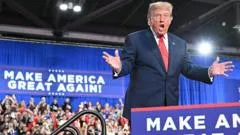
US President Donald Trump has announced that Ukraine and Russia have reached an agreement for an immediate "energy ceasefire." However, the announcement has been met with immediate uncertainty from the primary actors in the conflict.
President Volodymyr Zelensky of Ukraine told US media that the reported deal was "news to me," indicating that the Ukrainian administration was not aware of such an arrangement. Meanwhile, Moscow has yet to issue a comment regarding the announcement. The discrepancy between the US President's claims and the reactions from Kyiv leaves the legitimacy and status of this purported energy ceasefire unsettled.
US diesel imports and economic context
The ceasefire claim coincides with a recent announcement by Trump regarding a US deal to import Russian diesel. This policy is explicitly intended to attempt to bring fuel prices down in the United States ahead of the upcoming midterm elections.
The motivation for this move is rooted in the sustained high price of diesel in the US. These elevated costs have been a persistent issue since the start of the war with Iran and the effective closure of the Strait of Hormuz. By pursuing a deal to import Russian fuel, the administration is targeting a significant economic pressure point for voters.
Geopolitical implications of fuel policy
The intersection of the Russia-Ukraine conflict and US domestic energy security is highlighted by these developments. The effective closure of the Strait of Hormuz has had a direct impact on the US energy market, contributing to the volatility that has driven diesel prices upward.
As the midterm elections approach, the President's focus on energy policy—combining reported diplomatic breakthroughs like the energy ceasefire with practical import shifts—represents a dual approach to managing both international conflict and domestic economic stability. However, without verification from Moscow or Kyiv, the actual impact of the claimed ceasefire remains to be seen.




