
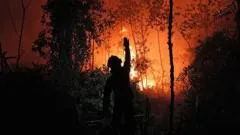
Why is the toxic smog in Southeast Asia so intense this year?
The current severity of the haze is largely attributed to an unusually strong El Niño, a natural climate phenomenon that alters global weather patterns and has intensified the annual dry season. This climatic shift has created ideal conditions for widespread combustion across Indonesia's forests and peatlands.
The scale of the destruction is significant. Data from the independent forest monitoring platform Nusantara Atlas indicates that Indonesia has recorded 1,043,377 wildfire hotspots, resulting in the loss of 900,000 hectares of land. The resulting smog has had immediate regional consequences, such as obscuring the skyline in Singapore and forcing the closure of schools in Malaysia due to health risks.
The role of El Niño and peatland vulnerability
Peatlands are particularly vulnerable during these intense dry spells. When these areas dry out due to El Niño-driven droughts, they become highly flammable. Once ignited, peat fires can burn deep underground, making them incredibly difficult to extinguish and causing them to release massive amounts of carbon and toxic particulate matter into the atmosphere for extended periods.
How does slash-and-burn farming contribute to the haze?
Slash-and-burn is a traditional agricultural method used to clear vegetation and create nutrient-rich soil, but its modern application on a commercial scale is a primary driver of the current crisis. While the practice is illegal in Indonesia, it remains a common, low-cost method for clearing large areas of land for agriculture.
While small-scale farmers have used this method for generations, many contemporary fires are linked to commercial farming operations. These large-scale clearances are harder for authorities to monitor and control. In response to the escalating crisis, Indonesian President Prabowo Subianto has condemned the practice, labeling it "ecological terrorism" and calling for more stringent sanctions against those responsible.
Indonesian authorities have begun taking regulatory action. Last month, the government announced the suspension of operating licences for 26 companies linked to the wildfires and initiated investigations into further entities. Officials have stated that any cases involving criminal elements will be referred to the court system.
Which companies are being accused of causing the fires?
Corporate accountability has become a central point of contention, with investigations pointing toward both Indonesian and foreign-based firms. A recent report by Greenpeace identified several businesses based in Singapore and Malaysia that are linked to land plots in Indonesia where active fires have been recorded.
Specific companies mentioned in the Greenpeace report include:
- First Resources: A Singapore-based palm oil company. Greenpeace reported over 30 haze source points on land managed by two of its Indonesian subsidiaries between August and September. First Resources responded by stating they maintain a "strict zero burning policy" and implement robust firefighting measures.
- Kuala Lumpur Kepong: A Malaysian plantation group. A subsidiary, PT Menteng Jaya Sawit Perdana, was linked to 19 haze source points. The group stated that the majority of these fires originated outside their concession areas and that all fires have since been extinguished.
Both companies have denied condoning open burning for land preparation, highlighting the difficulty in proving direct corporate responsibility when fires occur near managed concessions.
How has the haze affected regional diplomatic relations?
The transboundary nature of the smog has created significant diplomatic tension between Indonesia, Singapore, and Malaysia. While Singapore passed the Transboundary Haze Pollution Act in 2014 to allow for the prosecution of firms contributing to the haze, attempting to enforce this has historically caused friction with Jakarta.
In 2015, attempts by Singapore to issue summonses to Indonesian companies led to accusations from Indonesian officials that such moves harmed bilateral ties. This tension is often exacerbated by conflicting rhetoric from government representatives. For instance, Syahganda Nainggolan, head of Indonesia's government communications agency, recently drew criticism after suggesting that the fires were beyond human control and remarking that the oxygen enjoyed by neighbouring countries "also comes from our forests."
Despite these verbal exchanges, there have been moments of cooperation. Indonesian officials have expressed gratitude to Singapore and Malaysia for offering assistance, though Indonesia has not officially requested international intervention. However, the underlying political sensitivity remains high, as Indonesia seeks to balance environmental regulation with national sovereignty and economic interests.
What are the legal and human impacts of the smog?
The human cost of the haze is felt most acutely by those living in the affected provinces of Kalimantan and Sumatra, where air pollution levels have remained hazardous for weeks. Residents report physical ailments such as shortness of breath and chronic headaches, yet many are forced to continue working in the toxic air due to economic necessity.
In response to these conditions, civil society groups are seeking legal recourse. In Pontianak, West Kalimantan, a class action lawsuit has been filed against the Indonesian government and President Prabowo. The plaintiffs accuse the state of "gross negligence" regarding the recurrent haze and are demanding that the government declare the situation a national disaster. Such a declaration would potentially allow for the coverage of healthcare costs for affected citizens. While a similar lawsuit was dismissed in South Sumatra last year, the current legal push reflects growing public frustration with the government's ability to mitigate the crisis.
Key takeaways
- The 2026 wildfire season is the worst in a decade, driven by a strong El Niño.
- Over 1 million wildfire hotspots have been recorded in Indonesia via Nusantara Atlas.
- Slash-and-burn practices, though illegal, continue to be used for large-scale land clearing.
- Singapore and Malaysia-based companies face scrutiny over links to Indonesian fire sites.
- Diplomatic tensions persist between Indonesia and its neighbours over transboundary pollution.
FAQ: Toxic smog in Southeast Asia
What is the main cause of the current haze?
The current haze is primarily caused by massive wildfires in Indonesia, exacerbated by an unusually strong El Niño. These fires are often ignited through slash-and-burn agricultural practices used to clear land for commercial farming, particularly in peatland areas.
How does the haze affect neighbouring countries?
The smoke travels across borders, significantly reducing air quality in Singapore and Malaysia. This has led to public health concerns, obscured visibility in major cities, and forced the closure of schools in certain Malaysian regions to protect children from toxic air.
Are companies being held accountable for the fires?
Yes, Indonesian authorities have suspended the licences of 26 companies linked to the fires. Additionally, Greenpeace has identified several Singaporean and Malaysian companies with links to burning plots, though these firms often deny direct responsibility for the fires.
Can Singapore prosecute companies for the haze?
Singapore can use the Transboundary Haze Pollution Act to take action against firms contributing to the haze. However, this has previously caused diplomatic tension with Indonesia, making the collection of evidence and successful prosecution a complex geopolitical challenge.
What are the health risks of the smog?
The smog contains hazardous levels of particulate matter that can cause immediate respiratory issues, such as shortness of breath, and other symptoms like headaches. Long-term exposure to these toxic levels poses significant risks to the general population.
Conclusion
The toxic smog currently engulfing Southeast Asia is a multifaceted crisis rooted in both climatic volatility and industrial agricultural practices. While El Niño provides the environmental catalyst, the reliance on slash-and-burn methods continues to fuel the scale of the destruction. As Indonesia moves to increase sanctions and face domestic legal challenges, the regional tension between environmental accountability and diplomatic sovereignty remains unresolved. Addressing the haze will require not only stricter domestic enforcement within Indonesia but also a more cohesive regional approach to managing transboundary pollution and the long-term impacts of climate change on Southeast Asian ecosystems.




