
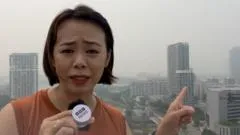
Impact of Indonesian wildfires
Indonesia is currently experiencing one of its most severe wildfire seasons, with approximately one million hectares of land already consumed by flames this year. The resulting smoke has drifted across borders, significantly impacting the air quality of neighboring nations.
In Singapore, the thick haze has become so dense that the city-state's most recognizable landmarks are being shrouded from view. The smoke, described as toxic, has reduced visibility across the urban landscape, affecting daily life and the visibility of the skyline.
Regional consequences in South East Asia
The wildfire smoke is not limited to Singapore but is impacting multiple countries throughout the South East Asian region. The scale of the land burned in Indonesia suggests a widespread environmental crisis that affects air safety and public health across the maritime borders.
The BBC reported on the situation, noting how the smoke plume is altering the visibility of major regional hubs. The environmental impact of these fires remains a critical concern for the affected territories as the season progresses.
Environmental context
The current wildfire season in Indonesia follows a pattern of significant land clearing and seasonal dry conditions that facilitate large-scale blazes. With one million hectares already lost, the regional atmosphere remains heavily laden with particulate matter.
The haze continues to pose challenges for regional aviation and public health as the smoke persists over the South East Asian corridor.




