
Why have threats to Australian politicians increased?
Official records show 1,067 reports of harassing and threatening behaviour against high office holders in the year ending June. This figure exceeds the previous year. Experts attribute the trend to socioeconomic strain, rising mental health difficulties and a polarised online environment that worsened during the pandemic. Professor Josh Roose of Deakin University notes that some political actors have begun targeting individuals and families, crossing lines that were previously avoided. The pattern appears across the political spectrum.
What happened in the incident involving Helen Haines?
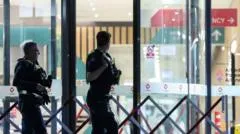
Helen Haines was struck by a car outside her office in the regional Victorian town of Wangaratta. She sustained serious injuries. Police detained a 43-year-old man at the scene and recovered a knife. No motive has been confirmed. Prime Minister Anthony Albanese stated that the event was not an accident and described it as an apparent deliberate act. Federal police counter-terrorism officers are assisting the state investigation.
Previous security incidents affecting Australian MPs
Albanese himself faced a bomb threat earlier in the year that required evacuation from his official residence. As of August, around 20 cases involving alleged violent threats against the Prime Minister were before courts. Other incidents include bullets mailed to politicians, sexual violence threats against female MPs and their children, the firebombing of a Jewish MP’s office and the torching of a Sydney mayor’s car. Small Business Minister Anne Aly reported a surge of death threats after an opposition politician called for her to be shamed and stoned.
What do security agencies say about political violence?
ASIO Director-General Mike Burgess warned in the 2026 threat assessment that politically motivated violence is becoming more likely, although specific attacks cannot be predicted. He compared the risk to climate change increasing extreme weather. Federal Police Commissioner Krissy Barrett stated that many recent cases are driven by personal grievance rather than ideology. Individuals feel isolated and seek meaning through radicalisation. Both agencies have tracked the escalation for several years.
How might the incident affect Australian political culture?
Australian politics has traditionally allowed close contact between MPs and constituents in everyday settings such as shops and sporting events. Haines was noted for maintaining open offices and community engagement. Albanese emphasised that this accessibility remains a valued part of democracy. Some MPs have expressed concern that confirmed political motivation could lead to tighter security measures and reduced public interaction. Experts warn that journalists, academics and other public figures also face elevated risk.
Frequently asked questions
Was the attack on Helen Haines confirmed as politically motivated?
Police have not confirmed a political motive. The investigation continues with assistance from federal counter-terrorism officers. The Prime Minister described the event as an apparent deliberate act but noted that motive remains unconfirmed.
How many threat reports were recorded against office holders?
Government statistics recorded 1,067 reports of harassing and threatening behaviour against high office holders in the year to June. The total represents an increase on the previous year.
Which experts have commented on the trend?
Deakin University Professor Josh Roose, ASIO Director-General Mike Burgess and Federal Police Commissioner Krissy Barrett have all issued public warnings about rising risks of political violence in Australia.
Have female MPs faced specific threats?
Yes. Female MPs and in some cases their children have received threats of sexual violence. Small Business Minister Anne Aly reported a wave of death threats following public comments by an opposition politician.
Is accessibility between MPs and the public at risk?
Prime Minister Albanese stated that open engagement remains important to Australian democracy. Some MPs have raised concerns that further incidents could prompt stricter security and limit community contact.
Key takeaways
Threat reports against high office holders reached 1,067 in the year to June, an increase on the prior period.
Helen Haines suffered severe injuries after being struck by a car outside her Wangaratta office.
ASIO and federal police have warned for years that political violence risk is rising in Australia.
Grievance and isolation are cited as drivers alongside socioeconomic and online factors.
Multiple incidents including firebombings and mailed bullets have targeted politicians in recent years.
Traditional open access between MPs and constituents may face pressure if further attacks occur.
Conclusion
The apparent attack on Helen Haines has brought long-standing warnings about political violence into sharper focus. Official data and agency assessments show a sustained rise in threats driven by multiple social and digital factors. While the motive in this case remains under investigation, the broader pattern has already affected MPs across parties and raised questions about the future of open political engagement in Australia. Continued monitoring by security agencies and measured public discourse will be central to managing the risk.




