
The emergence of potent synthetic substances
Authorities are increasingly concerned about the rise of cheaper, more powerful synthetic drugs that are flooding American markets. Unlike traditional narcotics, these synthetic compounds are often easier to produce and more intense in their effects, complicating efforts to manage addiction and prevent fatal overdoses. One particularly concerning substance is an animal tranquilizer known as "tranq," which has become a significant factor in the current drug landscape.
The shift toward synthetics represents a qualitative change in the drug crisis. Because these substances are often manufactured in clandestine labs, their purity and composition are unpredictable, significantly increasing the risk of accidental death. The potency of these drugs means that even small quantities can have devastating physiological consequences for users.
Overdose trends and shifting mortality rates
Drug overdose deaths have shown a significant downward trend from their recent historical peak. According to the BBC, overdose deaths fell from approximately 110,000 in 2022 to roughly 70,000 last year. While this decrease is a notable statistical shift, it does not necessarily signal an end to the crisis.
Public health experts and law enforcement remain wary that the crisis may actually be accelerating in different forms. The transition from older substances to the current wave of synthetic drugs suggests that while total death counts may fluctuate, the complexity and danger of the substances being consumed are rising. The volatility of the synthetic market makes it difficult for health officials to predict future mortality spikes.
Chicago and the frontline of the crisis
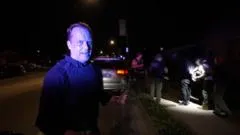
Chicago's South Side has become a focal point for observing the direct impact of this synthetic wave on urban communities. Local residents and authorities are battling the consequences of a drug supply that is increasingly dominated by these high-potency synthetics. The crisis in Chicago serves as a microcosm for the broader national struggle, illustrating how synthetic drugs penetrate specific neighborhoods and destabilize local social structures.
In these communities, the presence of drugs like tranq creates unique challenges for emergency responders and healthcare providers. The physical toll of these substances on the population is visible, as local communities attempt to navigate the social and economic fallout of a continuous influx of new, dangerous compounds.
Federal policy and the crackdown on cartels
The federal government has signaled a significant shift in how it intends to combat the supply of these drugs. Earlier this year, President Donald Trump pledged a major crackdown on the drug cartels responsible for much of the distribution. This strategy includes the potential proscription of many cartels, designating them as terrorist organizations to increase the legal and military pressure on their operations.
By framing the drug supply issue through the lens of national security and terrorism, the administration aims to disrupt the financial and logistical networks that allow synthetic drugs to reach American streets. This approach moves the battle beyond domestic law enforcement and into the realm of international geopolitical intervention, targeting the source of the synthetic production and trafficking routes.
Frequently Asked Questions
What are the main types of synthetic drugs causing concern?
The primary concern involves highly potent, inexpensive synthetic substances. Among these is an animal tranquilizer commonly referred to as "tranq," which is being mixed into other drug supplies, significantly increasing the danger of overdose and complicating medical intervention for those affected.
How have overdose death rates changed recently?
Overdose deaths have seen a recent decline from their peak. According to the BBC, deaths dropped from roughly 110,000 in 2022 to approximately 70,000 last year. However, the rise of new synthetic compounds remains a major concern for the future of public health.
What is the federal government's plan to stop drug trafficking?
The federal approach involves a crackdown on drug cartels, with plans to designate many of these organizations as terrorist groups. This strategy aims to dismantle the networks responsible for the influx of synthetic drugs through intensified law enforcement and national security measures.




