
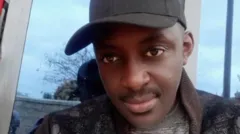
The circumstances surrounding the death of Robert Kabera
The discovery of Robert Kabera's body on the outskirts of Kampala over the weekend has sent shockwaves through the East African region. Local residents first encountered the remains, but the nature of the killing was particularly brutal. According to Ugandan police spokesperson Kituuma Rusoke on Monday, Kabera's head had not yet been recovered at the time of the official statement.
Kabera had established a significant digital presence prior to his death. He was a musician and a YouTuber who had amassed more than 144,000 subscribers. His channel featured over 800 videos, many of which were dedicated to criticizing President Paul Kagame and his administration. Before the incident, Kabera had reportedly traveled to inspect a construction site located approximately 45 km (30 miles) outside of Kampala.
The victim's background was complex. A former sergeant major in the Rwandan army, Kabera had fled his home country following accusations of sexual assault, charges which he consistently denied. He subsequently sought asylum in Uganda, citing political persecution as the primary driver for his exile.
Impact on the Rwandan diaspora and opposition groups
The Rwanda National Congress (RNC), an exiled opposition group, has reacted to the murder with calls for immediate accountability. In a statement released on X, the group emphasized the psychological toll these killings take on those living abroad. They noted that while a family grieves, the broader community of Rwandans in exile is left to confront the terrifying question of where they can truly find safety.
The sense of vulnerability is echoed by Kabera's own family. His widow, Jeanne d'Arc Rwigema Uwizeye, expressed profound fear for her children's future in a written message to BBC Great Lakes. She described the situation as "scary" and stated that she feels a lack of security for herself and her children.
While the Rwandan government has not issued a public comment regarding the specific killing of Kabera, the incident has intensified the scrutiny of how the state interacts with its most vocal detractors living in neighboring territories.
A pattern of targeted violence against dissidents
The murder of Robert Kabera is not an isolated incident in the context of Rwandan political opposition. The history of exiled critics suggests a recurring pattern of violence that spans multiple borders. One of the most prominent cases involved Patrick Karegeya, a former Rwandan intelligence chief who became a key figure in the RNC.
In 2014, Karegeya was found dead in a hotel room in Johannesburg, South Africa. His trajectory mirrored many other dissidents; after falling out with the Kagame administration, he served an 18-month prison sentence for desertion and insubordination before fleeing to South Africa in 2007. Following his death, President Kagame made remarks that were widely interpreted as a warning to others. He stated that any individual plotting against Rwanda would eventually "pay the price," regardless of who they were.
The legal aftermath of the Karegeya case also highlights the difficulty of achieving justice. In 2019, South African authorities issued arrest warrants for two Rwandan nationals accused of involvement in the murder. This history of high-profile deaths continues to shape the landscape of Rwandan political activism in the diaspora.
FAQ
Who was Robert Kabera?
Robert Kabera was a 50-year-old former Rwandan army sergeant major and an outspoken critic of President Paul Kagame. He was also a prominent digital creator, maintaining a YouTube channel with over 144,000 subscribers and more than 800 videos that often targeted the Rwandan administration.
What are the details of his death?
Kabera's body was found by local residents on the outskirts of Kampala, Uganda, over a recent weekend. The killing was particularly violent; according to Ugandan police spokesperson Kituuma Rusoke, the victim was beheaded, and his head had not been recovered at the time of the report.
How has the Rwandan government responded?
As of the latest reports, the Rwandan government has not provided any public comments regarding the murder of Robert Kabera. This silence follows a history of similar incidents where the government has not addressed the deaths of exiled critics living in neighboring countries.
Has this happened to other Rwandan critics before?
Yes, several critics have faced similar fates abroad. A notable example is Patrick Karegeya, a former intelligence chief who was found dead in a South African hotel in 2014. His death, along with others, has fueled fears regarding the safety of Rwandan dissidents in exile.
Conclusion
The brutal killing of Robert Kabera in Uganda serves as a grim reminder of the risks faced by political dissidents in the African diaspora. The combination of his significant digital influence and his history of criticism made him a prominent figure, yet his death highlights a systemic lack of security for those living in exile. As opposition groups like the RNC demand justice, the incident underscores a broader geopolitical tension. The pattern of violence, ranging from Johannesburg to Kampala, suggests that for many Rwandan critics, distance from the capital provides little protection against the reach of political retribution.




