
The recent wave of school violence in Poland
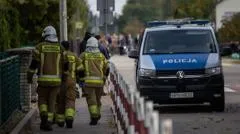
Three separate violent incidents at Polish schools this week have resulted in significant casualties, including the death of one woman and injuries to several others, including children. The attacks have created a climate of fear across the nation, leading to widespread rumors of further violence. According to reports on October 11, 2026, a 37-year-old caretaker was killed after a 15-year-old entered a primary school in Leszczydół-Nowiny, north of Warsaw. This followed a separate incident on Wednesday where a 19-year-old student injured nine people at a vocational school in the Mazovian province.
The volatility of the situation was further heightened by a Saturday incident in Warsaw, where a woman was arrested after attacking a 17-year-old girl, causing injuries to three people. These events have not only caused immediate physical harm but have also triggered social panic, with rumors circulating about a potential "Bloody Friday" stemming from online challenges. The sheer frequency and nature of these attacks have forced the Polish government to treat the situation as a major security concern rather than isolated criminal acts.
Online glorification and the rise of nihilistic violence
Prime Minister Donald Tusk has identified a direct link between these physical attacks and the pervasive culture of online violence glorification. During a crisis meeting with security services on Sunday, Tusk stated that these incidents are frequently spontaneous actions inspired by digital activity. He characterized the attacks as "nihilistic violence" that is increasingly associated with ultraright extremist movements.
The Prime Minister noted a disturbing global and domestic trend regarding the fascination with violence. According to Tusk, Polish authorities have observed a rise in online searches for Nazi-related content and the idolization of mass killers. This digital ecosystem provides a platform where violent actors are celebrated, potentially motivating vulnerable individuals to carry out attacks. Tusk emphasized that while these are not part of a large-scale organized group, the ideological influence of the extreme right is a significant driver behind the current instability.
Massive police response and security measures
In response to the escalating threat, Polish law enforcement has launched an extensive nationwide operation. Thousands of police officers have visited schools across the country to provide reassurance to students and faculty. This massive mobilization followed the initial stabbings, aiming to dismantle the fear generated by online rumors and to proactively identify potential threats within school environments.
The scale of the crackdown is reflected in the number of arrests made during recent searches. According to the police, 117 individuals have been detained across Poland for various offenses, including the possession of knives or other weapons, and making threats against schools or students. Interior Minister Marcin Kierwiński also reported the detention of a 17-year-old in Sierpc, who allegedly threatened to cause harm while on school grounds. These preventative measures represent an unprecedented attempt to secure educational institutions against both spontaneous and planned violence.
National security concerns and high-level threats
The violence in schools has also escalated into a direct concern for the highest levels of the Polish government. Beyond the immediate danger to students, security services have had to address threats against state leadership. A spokesperson confirmed that a special meeting was convened on Sunday after security services received intelligence regarding a potential attack targeting Prime Minister Donald Tusk and Defence Minister Wladyslaw Kosiniak-Kamysz.
This development suggests that the radicalization observed in school settings may be part of a broader security landscape involving political targets. The intersection of school-based violence and threats against government officials underscores the complexity of the current crisis. As authorities continue to monitor online trends and extremist activity, the focus remains on preventing further loss of life while addressing the ideological roots of the violence that is currently destabilizing Polish society.
Frequently Asked Questions
What caused the recent school attacks in Poland?
Prime Minister Donald Tusk stated that the attacks were driven by the online glorification of violence. He identified the incidents as acts of nihilistic violence often linked to ultraright extremist ideologies and the digital idolization of mass killers, rather than being part of a large-scale organized group.
How many people have been arrested following the incidents?
Police have arrested 117 people across Poland following extensive searches of tens of thousands of schools. The detainees were held for various reasons, including the possession of weapons like knives, or for making threats against educational institutions and their students during the recent wave of violence.
What are the specific details of the fatal attack?
The most severe incident occurred in Leszczydół-Nowiny, north of Warsaw, where a 15-year-old entered a primary school. This attack resulted in the death of a 37-year-old caretaker. This tragedy followed another attack in the Mazovian province where a 19-year-old injured nine people at a vocational school.
Final reflections on the security crisis
The recent wave of school stabbings in Poland highlights a critical intersection between digital radicalization and physical violence. The transition from online glorification of mass killers to real-world attacks on students and educators represents a profound challenge for national security. While the massive police response and the detention of over one hundred individuals demonstrate an active effort to secure schools, the underlying issue of extremist online content remains a complex driver. Addressing this crisis will require not only physical security measures but also a concerted effort to combat the nihilistic ideologies that are currently fueling social instability.




