
Why did Pakistan impose emergency rule in Khyber Pakhtunkhwa?
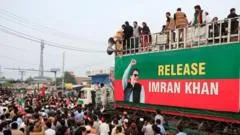
The federal government suspended the PTI administration in Khyber Pakhtunkhwa citing constitutional provisions to protect residents from terrorism. Officials claimed the provincial government had cooperated with militants, yet no supporting evidence followed the announcement. The move came after thousands of PTI supporters marched through the province demanding Imran Khan's release from prison. Roads were blocked, internet access was limited and schools closed temporarily before most services resumed within days.
How has the crackdown affected PTI leaders and supporters?
Police conducted operations to prevent further protests, leading most provincial PTI figures to go into hiding. Three of Imran Khan's sisters were detained in September on charges including mobilising supporters. Chief Minister Sohail Afridi's whereabouts remain unknown, with his party claiming arrest and authorities describing protective custody. On Tuesday, supporters demonstrated in Bara where tear gas was reported. Khan himself has had limited contact with family and lawyers during more than three years of imprisonment.
What is Imran Khan's current legal and health status?
Khan remains convicted in multiple corruption cases that he describes as politically motivated. He has been held since August 2023 following a reported rift with the military. Concerns over his health prompted a Supreme Court-ordered hospital visit in August, after which he returned to prison. Two of his sisters met him that month, but access has otherwise been heavily restricted.
What role does Pakistan's military play in the decision?
Analysts attribute the emergency measure to the military establishment, which holds dominant influence over security policy. The federal government maintains the action addressed genuine security concerns rather than political objectives. Observers note that the military appears confident due to improved relations with the United States and involvement in regional diplomacy. This stance has reduced space for negotiation with opposition parties.
Could the emergency rule increase instability in Pakistan?
Commentators warn that removing the provincial buffer may heighten political tensions without addressing underlying grievances. Rising militancy already places Pakistan at the top of the Global Terrorism Index 2026. The country faces simultaneous border tensions with Afghanistan and India plus commitments to support Saudi Arabia against Houthi threats. Experts argue that further army operations risk casualties that could generate internal military questions and broader unrest.
Frequently asked questions
Was evidence provided for terrorism links to the PTI government?
No detailed evidence was released by federal authorities after the announcement. The information minister promised further details that had not appeared within two days.
Have internet and school services returned to normal?
Schools reopened in Peshawar and most of the province while internet services were restored within days of the initial restrictions.
Where is Chief Minister Sohail Afridi?
His location remains disputed. The party states he was arrested while authorities describe the situation as protective custody.
Why are protests continuing despite the emergency measures?
Supporters seek Imran Khan's release and oppose the suspension of the elected provincial government. Demonstrations occurred in Bara even after the federal intervention.
Has the military's regional diplomacy affected its domestic stance?
Analysts suggest improved ties with the United States and involvement in US-Iran talks have strengthened the military's confidence to act decisively at home.
Key takeaways
Pakistan suspended the PTI government in Khyber Pakhtunkhwa citing terrorism concerns without releasing supporting evidence.
Protests demanding Imran Khan's release preceded the emergency rule and continue in parts of the province.
Most PTI leaders have gone into hiding while Chief Minister Afridi's status remains contested.
Military influence over security policy is viewed by analysts as the primary driver of the federal decision.
Pakistan faces rising militancy and multiple regional conflicts that could worsen with added political instability.
Conclusion
The imposition of emergency rule in Khyber Pakhtunkhwa represents a significant escalation in Pakistan's ongoing political confrontation. Federal authorities framed the measure as a security necessity, yet the absence of evidence and the timing after mass protests have drawn widespread criticism. With Imran Khan still imprisoned and provincial leadership disrupted, the move removes a political buffer while the country already contends with elevated militancy and strained relations with neighbours. Observers caution that the approach risks amplifying discontent rather than containing it, particularly if further military operations produce significant casualties or if suppressed grievances resurface across other regions.




