
The scale of the lead poisoning in China nursery
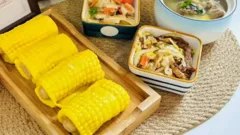
More than 200 children fell victim to a severe contamination event after consuming meals prepared at the Heshi Peixin Kindergarten in Tianshui. According to Chinese state media, the investigation began in July 2025 when 247 pupils and staff members were identified as having abnormally high blood lead levels. The health crisis was triggered when children began displaying symptoms of illness after eating specific food items, including steamed red date cakes and sausage corn buns.
The medical consequences of the contamination were profound. The World Health Organization notes that lead poisoning is particularly hazardous to young children, as it can cause severe damage to the brain and the central nervous system. The scale of the incident was further highlighted when 235 children required direct medical treatment for lead poisoning. The investigation revealed that the contamination was not accidental but a result of deliberate, harmful practices within the kitchen staff.
Toxic ingredients and food safety violations
Food samples analyzed during the investigation showed lead concentrations that were thousands of times higher than legal limits. According to investigators, red date cakes contained 1052mg/kg of lead, while corn sausage rolls contained 1340mg/kg. These figures drastically exceed the national food safety standard limit, which is set at 0.5mg/kg. In some instances, lead levels were found to be 2,000 times higher than the permissible threshold.
The motivation for using these toxins was rooted in deceptive marketing. A report into the incident found that chefs at the nursery used inedible paint to enhance the visual appearance of meals to attract more students. Despite the paint being clearly marked as inedible, it was integrated into the food served to the children. This practice turned standard school meals into a significant health hazard for the entire nursery community.
The role of kitchen staff and management
The court determined that the contamination was a coordinated effort directed by the nursery's leadership. Four kitchen staff members received prison sentences ranging from six to eight years. The court found that these employees were specifically instructed by the owner and the principal to include toxic and harmful ingredients in the food served to both children and staff members.
Judicial rulings and corruption investigations
The Lanzhou Intermediate People's Court handed down severe sentences to the primary perpetrators of the poisoning. Li Huifang, the nursery owner, was sentenced to life in prison for producing and selling harmful food. Additionally, the court ordered the confiscation of 500,000 yuan (£56,200; $74,700) of her personal assets, as reported by state broadcaster CCTV. The nursery's executive principal, Zhi Jinglin, received a 15-year prison sentence and a fine of 300,000 yuan.
The legal proceedings also uncovered a significant layer of institutional misconduct. Officials discovered that dozens of provincial officials and hospital staff had attempted to cover up the incident. These individuals were found to have tampered with blood test results and accepted bribes from a nursery investor to suppress the truth about the contamination. This corruption complicated the initial response to the health crisis and delayed the identification of the source.
New national guidelines for campus food safety
In response to the crisis, China has implemented new national guidelines to regulate the provision of meals on campuses. These measures aim to prevent a recurrence of the Heshi Peixin Kindergarten incident by tightening control over the food supply chain. One of the central requirements is that every new batch of food must undergo testing to ensure safety standards are met before consumption.
Furthermore, the new regulations mandate stricter procurement processes for essential ingredients. Schools are now required to purchase flour, rice, and cooking oil exclusively from centralized procurement points. By centralizing the supply chain and mandating regular testing, authorities hope to increase transparency and accountability in school meal production across the country.
Frequently Asked Questions
What caused the nursery poisoning in China?
The poisoning was caused by the intentional use of inedible paint and other toxic substances in school meals. Chefs at the Heshi Peixin Kindergarten used these materials to make food look more appealing to students, resulting in lead levels that were thousands of times higher than the national safety limits.
What were the sentences for the nursery owners?
Li Huifang, the owner, was sentenced to life in prison and faced the confiscation of 500,000 yuan in assets. The executive principal, Zhi Jinglin, was sentenced to 15 years in prison and ordered to pay a fine of 300,000 yuan for their roles in the incident.
How did officials attempt to hide the poisoning?
Dozens of provincial officials and hospital staff members participated in a cover-up by tampering with the blood tests of the affected children. Some of these officials also accepted bribes from a nursery investor to ensure the scale of the poisoning remained hidden from the public.




