
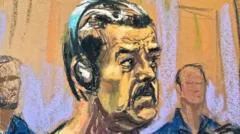
What are the specific allegations in the new indictment?
The new charges against Nicolás Maduro and Cilia Flores center on a conspiracy to commit torture against United States citizens while Maduro was in power. According to the superseding indictment unsealed on Thursday, the former presidential couple allegedly maintained their hold on power by presiding over a repressive system characterized by violence against political opponents, arbitrary detentions, and the systematic torture of detainees.
The indictment provides a harrowing list of methods allegedly used to enforce this system of repression. Prosecutors claim that the torture included physical and psychological methods designed to break detainees, specifically naming:
- Electric shocks and asphyxiation
- Rape and forced nudity
- Prolonged isolation and starvation
- The use of punishment cells
- Psychological torture, including threats to kill the families and children of victims
Federal prosecutors stated outside the courthouse on Thursday that these actions were intended to ensure the couple retained their authority. They characterized the conduct as "the epitome of corruption" and emphasized that these alleged actions caused significant harm to American citizens.
What role does Cilia Flores play in the prosecution?
Cilia Flores has been directly implicated in the development and execution of the repressive apparatus used during the Maduro administration. In addition to being added to the existing narco-terrorism charges, the new indictment accuses Flores of playing a central role in ordering acts of torture against specific individuals.
The prosecution alleges that Flores did not merely oversee the system but actively received updates regarding the torture of particular prisoners. The legal documents suggest her involvement was motivated by a desire to protect family members who were engaged in illegal activities. This addition to the indictment marks a significant escalation in the legal pressure on the former first lady, as she faces direct accusations of orchestrating violence to shield her inner circle.
Legal status and upcoming trial dates
Both Maduro and Flores are currently held in a detention centre in Brooklyn, New York. They have been in US custody since January following a pre-dawn raid by US forces on their compound in Caracas. While Flores recently requested to be moved to house arrest, a judge denied this request on Thursday, meaning both defendants are expected to remain in detention pending trial.
The legal proceedings are expected to be lengthy and complex. The trial for both Nicolás Maduro and Cilia Flores is officially set to begin in June 2027. Maduro's attorney, Barry J. Pollack, has stated that his client denies all new charges and is prepared to present his defense in court.
How do these charges align with previous human rights reports?
The allegations presented by US prosecutors echo numerous testimonies from former detainees and human rights observers in Venezuela. The details in the indictment regarding isolation and punishment cells mirror accounts provided by individuals who have escaped the Venezuelan detention system.
For example, Javier Tarazona, the head of a Venezuelan human rights group, reported earlier this year that he and his brother were subjected to 46 days of confinement in a small punishment cell following an arbitrary arrest. Similarly, former inmate Ángel Godoy described experiences of being kept in isolation for months, during which he was denied any contact with his wife, who remained unaware of his location.
These individual testimonies provide a qualitative backdrop to the quantitative legal charges being brought by the US Department of Justice. The consistency between the indictment and these survivor accounts suggests a pattern of behavior that has been documented by various non-governmental organizations for years.
What is the current political situation in Venezuela?
Following the ouster of Nicolás Maduro, Venezuela has entered a period of transition under the leadership of Delcy Rodríguez, who was sworn in as interim leader with support from the Trump administration. While the political landscape has shifted, the human rights situation remains a subject of intense international scrutiny.
Under the interim government, an amnesty law has led to the release of hundreds of political prisoners. However, the transition has not resulted in a total cessation of detentions. According to the prisoners' rights group Foro Penal, more than 300 individuals remain behind bars in Venezuela.
International concerns and ongoing risks
The United Nations has expressed continued concern regarding the stability of human rights in the country. Volker Türk, the United Nations High Commissioner for Human Rights, has warned that reports of torture continue to emerge, even after the seizure of Maduro and the change in leadership.
In March, Türk noted that "structural and systemic human rights concerns" have persisted within the Venezuelan state despite the change in the presidency. This suggests that the mechanisms of repression may be embedded within the institutional framework of the country, making them difficult to dismantle through political transitions alone. The Venezuelan government during Maduro's tenure frequently dismissed such findings, with the former foreign minister accusing the UN of following the agenda of extremists.
Key takeaways
- US prosecutors have charged Nicolás Maduro and Cilia Flores with conspiracy to commit torture against US citizens.
- The indictment alleges the use of electric shocks, asphyxiation, and psychological threats against detainees.
- Cilia Flores is accused of ordering torture to protect family members involved in illegal activities.
- The trial for the former Venezuelan leaders is scheduled to commence in June 2027.
- Despite an amnesty law under interim leader Delcy Rodríguez, over 300 political prisoners remain in Venezuela.
FAQ: Nicolás Maduro torture charges
What are the specific charges against Nicolás Maduro?
Maduro faces charges of conspiracy to commit torture, drug trafficking, and weapons charges. The newest indictment alleges he presided over a system of repression that used violence, arbitrary detention, and torture against political opponents and US citizens to maintain power.
Is Cilia Flores also facing legal action in the US?
Yes, Cilia Flores is facing similar charges. She has been added to the narco-terrorism charges and is specifically accused in the new indictment of ordering the torture of individuals to protect her family members from legal consequences.
When will the trial for Maduro and Flores begin?
The trial for both Nicolás Maduro and Cilia Flores is currently scheduled to begin in June 2027. Both defendants are currently being held in a detention centre in Brooklyn, New York, following their arrest in Caracas.
What is the current leadership in Venezuela?
Following Maduro's ouster, Vice-President Delcy Rodríguez was sworn in as the interim leader. Her administration has the backing of the Trump administration and has implemented an amnesty law that released hundreds of political prisoners.
Are human rights concerns still present in Venezuela?
Yes, human rights concerns persist. The UN High Commissioner for Human Rights has reported that detainees continue to face torture, and the group Foro Penal notes that more than 300 political prisoners remain in custody.
Conclusion
The unsealing of the superseding indictment marks a significant legal milestone in the attempt to hold the former Venezuelan leadership accountable for systemic abuses. By specifically targeting the alleged roles of both Nicolás Maduro and Cilia Flores in the torture of US citizens, US prosecutors are framing the case as a matter of both international human rights and national security. As the country navigates its transition under Delcy Rodríguez, the upcoming 2027 trial will serve as a critical test of the international community's ability to address the legacy of institutionalized repression in Venezuela.




