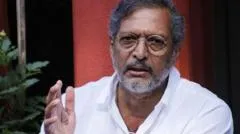
How did Nana Patekar pass away?
Nana Patekar passed away in the early hours of Thursday after being discovered unconscious at his home in Goa. The sudden medical emergency led to an immediate attempt at resuscitation by medical professionals, but the efforts were ultimately unsuccessful. According to Dr Shekhar Salkar of Manipal Hospital in Goa, the actor was unable to be revived despite receiving 45 minutes of continuous CPR. His son, Malhar, confirmed the news to BBC Marathi, marking the end of a prolific and deeply influential life in the arts.
The suddenness of his passing has prompted significant official responses from both state and national leaders. The Maharashtra government has announced that his funeral will be held with full state honours at his farmhouse located in the western Indian city of Pune. This level of recognition underscores his status as a cultural pillar in India, reflecting a life that transcended mere entertainment to become a matter of national interest and respect.
Official tributes and state honours
The announcement of state honours highlights the deep respect held for Patekar by the political establishment and the nation at large. Prime Minister Narendra Modi led the initial wave of tributes, noting that the actor's death leaves a significant void in the artistic landscape. In a message shared on X, Modi praised Patekar's versatility and outspoken personality, writing that the characters he portrayed would "remain etched in the memory of generations."
Such honours are typically reserved for individuals who have made monumental contributions to the nation's cultural fabric, a distinction Patekar earned through decades of high-impact performances. The tributes from various sectors of the film industry further emphasize the scale of the loss, as peers recognize not just a colleague, but a man whose presence commanded respect across the cinematic spectrum.
What was Nana Patekar's impact on Indian cinema?
Nana Patekar's cinematic journey was defined by an ability to portray complex, often volatile characters that left a lasting impression on audiences. While he began with smaller roles following his 1978 debut in the film Gaman, his career trajectory changed fundamentally in 1989 with the release of Parinda. This role transformed him into a household name across India and earned him his first National Film Award and a Filmfare Award for his portrayal of the character Anna.
Throughout the 1990s, Patekar became synonymous with intensity. He demonstrated a remarkable range that allowed him to move between different archetypes with ease. His filmography includes a diverse array of characters that showcased his mastery over his craft:
- The Intense Protagonist: Characters like the patriotic hero in Tirangaa and Pratap Narayan Tilak in Krantiveer, roles that earned him significant accolades.
- The Authoritative Figure: His portrayal of Major Chauhan in the film Prahaar, a project he also directed, which garnered widespread praise.
- The Nuanced Performer: Breaking his reputation for loud or intense roles, he delivered a mesmerising performance in Khamoshi, playing a character who could neither hear nor speak.
- The Political Strategist: His role in Prakash Jha's 2010 film Rajneeti added another dimension to his acting, where he portrayed an astute politician with perfection.
This versatility ensured that he was never pigeonholed, allowing him to transition seamlessly between playing notorious gangsters or disciplined policemen with equal ease. His three National Film Awards, earned for Parinda, Krantiveer, and Agni Sakshi, serve as a testament to this wide-ranging career.
How did his theatre roots shape his acting style?
The gritty and intense style of dialogue delivery that became Patekar's trademark was forged in the world of theatre long before he became a film star. He was a prominent figure in both Marathi and Hindi theatre, using the stage to master the emotional depth and physical presence required for his later on-screen roles. Even after achieving massive success in Bollywood, he remained a dedicated practitioner of the craft, maintaining an active presence in the theatre community throughout his professional life.
Two of his most significant theatrical contributions include Purush and Hamidabai Chi Kothi. These productions allowed him to develop the commanding voice and unapologetic intensity that colleagues like Akshay Kumar later praised. Kumar, who appeared alongside Patekar in the comedy film Welcome, remembered him as a rare performer whose voice, intensity, and honesty could command an audience's attention. This foundational period in theatre provided the tools that allowed him to tackle the most demanding roles in Indian cinema.
What was his role in social activism and public discourse?
Beyond the silver screen, Nana Patekar was recognized as an outspoken and often provocative figure in Indian public life. He was known for his direct and sometimes brazen approach to criticizing government policies and ministers. He did not shy away from public confrontation, often using his platform to address socio-political issues that he felt were being neglected by the authorities, maintaining a persona that was often described as unapologetic.
His activism was particularly focused on the welfare of the farming community, an issue that remained close to his heart. In 2015, he co-founded the Naam Foundation alongside actor Makarand Anaspure. The foundation was established to address critical issues such as water conservation and general farmer welfare in the state of Maharashtra. This work moved his influence beyond verbal criticism into tangible, grassroots social impact, demonstrating a commitment to the causes he championed publicly.
Navigating controversy and legal challenges
Patekar's public life was not without significant friction and controversy. In 2018, he faced serious allegations of sexual harassment from actor Tanushree Dutta regarding an incident on a film set that allegedly occurred a decade earlier. These allegations were a significant catalyst for the #MeToo movement in India, bringing intense scrutiny to his character and actions.
Patekar maintained his innocence throughout the process, denying the claims. The legal scrutiny eventually concluded in 2019 when police stated they had not found sufficient evidence against him, effectively clearing him of the charges. Despite the resolution of the legal matter, the period remained a significant chapter in his public history.
Frequently asked questions
Which awards did Nana Patekar win?
Nana Patekar was a highly decorated actor, winning three National Film Awards during his career for his performances in Parinda, Krantiveer, and Agni Sakshi. He also received a Filmfare Award for his role in Parinda.
What was his most famous film role?
While he had many iconic roles, his portrayal of the gangster Anna in the 1989 film Parinda is widely considered the turning point that made him a household name. Other landmark performances include his roles in Krantiveer and Khamoshi.
Did he work in theatre?
Yes, Patekar had a significant career in both Marathi and Hindi theatre. He used theatre to develop his signature intense acting style and remained active in the medium even after achieving major film stardom. His famous plays included Purush and Hamidabai Chi Kothi.
What is the Naam Foundation?
The Naam Foundation is a social welfare organization co-founded by Nana Patekar and Makarand Anaspure in 2015. The foundation focuses on supporting farmer welfare and implementing water conservation projects, particularly within the state of Maharashtra.
How did he respond to the 2018 allegations?
Nana Patekar denied the sexual harassment allegations made by Tanushree Dutta in 2018. Following a police investigation, he was cleared of the charges in 2019 after authorities determined there was insufficient evidence to proceed.
Key takeaways
- Nana Patekar passed away at age 75 in Goa following a sudden medical emergency.
- He was a three-time National Film Award winner for his diverse cinematic roles.
- His career spanned successful work in both Hindi and Marathi cinema and theatre.
- He co-founded the Naam Foundation to support farmer welfare and water conservation.
- His funeral will be held with full state honours in Pune, Maharashtra.
The end of an era in Indian performance
The passing of Nana Patekar marks the conclusion of a unique chapter in Indian performing arts. He was a rare talent who successfully bridged the gap between the disciplined intensity of the theatre and the massive commercial scale of Bollywood. His ability to navigate complex characters—from the volatile gangster to the silent observer—ensured his place in the history of Indian cinema. While his outspoken nature and controversial moments defined his public persona, his lasting legacy remains his profound contribution to storytelling and his dedicated efforts toward social causes like farmer welfare.