
Criminal charges following University of Mississippi student deaths
Two employees of a Mississippi smoke shop have been taken into custody in connection with the suspected deaths of two Ole Miss students. According to the US Attorney's Office for the Northern District of Mississippi, Yahya Mohamed Mosleh, 51, and Islam Yahya Mosleh, 18, face charges for possession with the intent to distribute controlled substances. The arrests stem from a rapid sequence of events occurring last month that has shaken the local university community.
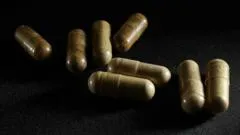
The investigation began on 21 September, when an Ole Miss student was discovered deceased in his dormitory. The US Attorney's Office stated in a press release that the apparent cause of death appeared to be consistent with a drug overdose. Shortly after this discovery, a second student was found dead in a different location, also showing signs of a suspected overdose. In both instances, law enforcement officials recovered packages containing suspected kratom derivatives, noting that some tablets were missing from the packaging.
Investigators were able to link the recovered packages to a local establishment specializing in vapes, tobacco, and beer. Following the execution of search warrants at the store, law enforcement seized various suspected kratom derivative controlled substances. The connection between the retail location and the specific packages found near the deceased students formed the basis for the charges against the father and son.
The potency of kratom derivatives and legal status
Kratom derivatives such as MGPI, MGM-15, and MGM-16 are classified as Schedule I controlled substances in the United States. These synthetic or highly concentrated versions of the plant can be significantly more potent than both natural kratom leaf products and morphine. This increased potency is a primary concern for law enforcement and health officials monitoring the substance's impact.
While the substance is often referred to as "gas station heroin" due to its opioid-like effects, its legal standing remains complex and varies by region. Currently, kratom is not regulated by the US Food and Drug Administration (FDA). This lack of federal oversight means that while it is legal in certain states, including Mississippi, it lacks the standardized safety protocols found in regulated pharmaceuticals.
The distinction between natural kratom and its derivatives is critical to the ongoing legal proceedings. While the plant-based herb has seen a rise in popularity over the last decade, the concentrated derivatives found in this investigation fall under much stricter criminal classifications. These derivatives are often sold in pill or liquid form, making them easily accessible in over-the-counter environments like smoke shops.
Regulatory landscape and public health warnings
Anti-kratom advocates have maintained a long-standing push for stricter bans on the substance due to its potential for misuse. The international regulatory landscape is starkly divided; for instance, the substance is illegal in the United Kingdom. In the United States, the debate continues as the popularity of the herb grows, particularly in its various consumable forms.
The recent deaths in Mississippi have prompted officials to issue urgent warnings regarding the consumption of kratom. Although the deaths of the two Ole Miss students have not been officially attributed to kratom by medical examiners, the proximity of the suspected derivatives at the scenes has heightened public alarm. The incident highlights the risks associated with substances that mimic opioid effects but lack rigorous clinical oversight.
As law enforcement continues to investigate the distribution networks of these derivatives, the incident serves as a focal point for the tension between consumer availability and public safety. The ability to purchase these products in retail settings like vape and tobacco shops remains a central issue for those calling for increased regulation or outright prohibition of the substance in the US.
Frequently Asked Questions
What are the charges against the Mississippi smoke shop workers?
Yahya Mohamed Mosleh and Islam Yahya Mosleh have been charged with possession with the intent to distribute controlled substances. These charges were brought by US prosecutors following an investigation into the suspected overdoses of two University of Mississippi students involving kratom derivatives.
Why is kratom sometimes called "gas station heroin"?
Kratom is referred to by this term because the plant contains compounds that produce opioid-like effects on the human body. This comparison is often used by critics and officials to highlight the potential for addiction and the dangers associated with its unregulated consumption.
Is kratom legal in the United States?
Kratom is legal in some states, including Mississippi, but it is not regulated by the US Food and Drug Administration. However, specific kratom derivatives like MGPI and MGM-15 are classified as Schedule I controlled substances, meaning they are subject to much stricter legal controls.
Synthesis of the investigation and its implications
The arrest of a father and son in Mississippi marks a significant moment in the ongoing struggle to manage the distribution of potent kratom derivatives. The suspected deaths of two university students have not only triggered a criminal investigation into local retail distribution but have also reignited the national debate over the legality and safety of the substance. As the legal system processes the charges of possession with intent to distribute, the broader community faces the reality of a substance that occupies a grey area between legal supplement and highly potent controlled substance. The outcome of this case will likely influence future regulatory discussions regarding kratom's availability in US retail environments.