
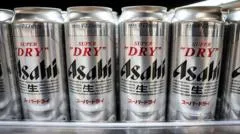
Scope of the JFTC raids on major brewers
The Japan Fair Trade Commission (JFTC) has launched a significant investigation into the country's most prominent beer manufacturers. On Wednesday, authorities conducted on-site searches of premises belonging to Asahi, Sapporo, Kirin, and Suntory Spirits. These four entities hold a dominant position in the Japanese market, providing the vast majority of alcoholic beverages found in local convenience stores and supermarkets.
The investigation focuses on whether these companies engaged in illegal collusion to influence market prices. According to the Japan Times, the regulatory scrutiny centers on specific price increases implemented in October 2022 and April 2023. While the companies have acknowledged the searches, the JFTC has maintained a cautious stance regarding the specifics of the case. JFTC Secretary General Iwanari Hiroo stated that while he would not deny the investigation is underway, he would refrain from commenting on details while a preliminary review is conducted, as reported by local media.
Allegations of Antimonopoly Act violations
The core of the regulatory concern lies in a potential breach of Japan's Antimonopoly Act. This legislation is designed to prevent unfair trade practices and ensure healthy competition within the domestic market. Each of the raided companies has addressed the suspicion of illegal activity through official channels.
Kirin and Suntory responses
Kirin Holdings confirmed that its subsidiary, Kirin Brewery Company, was searched due to a suspected violation of the Antimonopoly Act. The firm expressed that it is taking the situation very seriously and pledged full cooperation with the JFTC. Regarding the financial outlook, Kirin Holdings noted that the specific impact on its financial results remains undetermined but promised to disclose material developments promptly.
Suntory Spirits also confirmed that an on-site inspection occurred. A spokesperson for the company indicated that the inspection relates to a potential violation of the Antimonopoly Act concerning domestic alcohol trade practices. Suntory issued a formal apology to its customers, business partners, and stakeholders for any inconvenience caused by the situation, reiterating its commitment to cooperate with the regulator.
Asahi and Sapporo market impact
Asahi has acknowledged it is subject to the JFTC investigation and intends to cooperate fully with the authorities. The news of the probe had an immediate effect on the financial markets. Following the announcement on Wednesday, share prices for Asahi, Kirin, and Sapporo experienced declines. Suntory's beer division, however, was not subject to the same market volatility as its business is not publicly listed.
Context of rising costs and regulatory trends
The timing of the price hikes is a central element of the investigation. All four major companies previously announced increases in beverage prices, citing external economic pressures. These companies pointed to the rising costs of raw materials, as well as escalating energy and transportation expenses, as the primary drivers for the price adjustments in 2022 and 2023.
This investigation is not an isolated event in Japan's recent regulatory history. The JFTC has recently intensified its scrutiny of large-scale corporate collusion. In June, the regulator conducted an investigation into alleged cartel activities involving some of the nation's largest ice cream producers. That probe included major brands such as Meiji and Ezaki Glico, the maker of Pocky. The current crackdown on the beer industry suggests a broader trend of the JFTC targeting dominant players to ensure market transparency and fair pricing for consumers.
Frequently Asked Questions
Which companies are involved in the investigation?
The investigation involves Asahi, Sapporo, Kirin, and Suntory Spirits. These four companies are the dominant players in the Japanese beer market. The JFTC conducted raids on their premises to investigate potential price-fixing activities that could violate national antitrust regulations.
What is the basis of the price-fixing allegations?
The allegations center on coordinated price increases that occurred in October 2022 and April 2023. Regulators are investigating whether these hikes were a result of illegal collusion rather than the rising costs of raw materials, energy, and transportation that the companies cited.
What are the legal implications for these firms?
The companies are being investigated for potential violations of Japan's Antimonopoly Act. If found guilty of price-fixing, they could face significant legal penalties and regulatory sanctions. The companies have stated they are cooperating fully to resolve the matter and determine any financial impact.




