
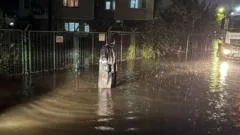
Fatalities and immediate dangers from extreme precipitation
Two lives have been lost as a direct consequence of the extreme weather conditions sweeping through the Turkish metropolis. According to BBC Turkish, the fatalities involve a 14-year-old boy and a 34-year-old man. The teenage victim was reportedly electrocuted after stepping into a puddle, an incident that has prompted a formal investigation by the Istanbul governorship. The second victim, a man in his mid-thirties, died after slipping and striking his head on the pavement while attempting to navigate a flooded roadway.
The severity of the weather is underscored by statements from local leadership. Istanbul Governor Davut Gül identified this period as the heaviest rainfall the city has experienced in 84 years. The intensity of the downpour has created hazardous environments where even simple movements, such as walking near water or attempting to cross streets, present life-threatening risks to the public.
The scale of the storm is further highlighted by the sheer volume of water falling on the region. According to the interior minister, some specific sectors of Istanbul have recorded rainfall equivalent to one-seventh of the city's total annual average in a very short period. This sudden deluge has overwhelmed existing drainage systems and transformed urban landscapes into high-risk zones.
Mass rescue operations and infrastructure disruption
Emergency response teams are currently engaged in a massive effort to assist those trapped by rising waters. Nuri Aslan, the deputy mayor of Istanbul, stated that 595 individuals had to be evacuated to safe locations after becoming stranded by the floods. To manage the crisis, more than 8,000 workers have been deployed to handle the various aspects of the flooding response.
The physical impact on the city's infrastructure has been widespread and damaging. Reports indicate several critical failures in the urban environment, including:
- Submerged vehicles in shopping centre car parks, specifically noted in the Sariyer district.
- The collapse of various road sections in multiple areas.
- A river bursting its banks, increasing the risk to nearby residential zones.
- Significant disruption to air travel, with 46 planes unable to land at Istanbul airports.
As the water levels fluctuate, the risk to the 16 million residents of the Istanbul metropolitan area remains high. The deputy mayor has issued warnings via social media, urging citizens to remain vigilant, particularly during the night when visibility and safety are further compromised.
Emergency government responses and public safety mandates
In response to the ongoing threat, authorities have implemented several emergency protocols to minimize further loss of life and ensure public order. Schools in the region have been ordered to close for both Thursday and Friday, as weather forecasts suggest that the heavy rain is expected to persist. Governor Davut Gül has issued a directive for residents to stay indoors and avoid leaving their homes unless it is absolutely necessary.
To facilitate safer movement, the city has adjusted its transportation strategy. The deputy mayor has advised the public to utilize public transit instead of private vehicles to avoid the dangers of submerged roads. Consequently, the operating hours for the Istanbul metro have been extended until 02:00 local time to assist commuters and those displaced by the weather.
The government has also introduced specific administrative measures for the workforce. According to Turkish media, employees who are veterans, pregnant, or have disabilities are being granted administrative leave. Furthermore, women in the public sector with children under the age of eight are also eligible for leave. These exceptions do not apply to essential workers in the health, safety, or rainwater drainage sectors, who remain on duty to manage the crisis.
Wider regional warnings and meteorological outlook
The crisis is not confined solely to the Istanbul metropolitan area. The interior ministry has issued broader warnings regarding the potential for sudden flooding across several other provinces in the country. This suggests that the weather system causing the Istanbul rainfall flooding is part of a larger, more widespread meteorological event affecting the region.
As the situation evolves, the focus remains on the stability of the drainage infrastructure and the prevention of further casualties. The investigation into the electrocution of the minor continues, as officials seek to understand how such a fatal incident could occur within the urban water management framework. With rain expected to continue, the city remains in a state of high alert.
Frequently Asked Questions
What caused the deaths in Istanbul?
The deaths were caused by the extreme flooding and associated hazards. A 14-year-old boy died from electrocution after stepping in a puddle, and a 34-year-old man died after slipping on a flooded road and hitting his head on the pavement during the heavy rainfall event.
How many people have been rescued so far?
According to Deputy Mayor Nuri Aslan, 595 people have been rescued and evacuated to safe areas after becoming trapped by the rising waters. This massive rescue effort is being supported by a workforce of more than 8,000 personnel responding to the flooding across the city.
What are the travel restrictions in Istanbul?
Authorities have advised citizens to avoid using private vehicles and instead rely on public transport. To accommodate this, the Istanbul metro has extended its service hours until 02:00 local time. Additionally, air travel has been impacted, with 46 planes unable to land at local airports.
Are schools still open in Istanbul?
No, schools have been ordered to close on both Thursday and Friday. This decision was made as a safety precaution because the heavy rainfall is expected to continue, posing a risk to students and staff during their commutes and daily activities.
Conclusion
The current Istanbul rainfall flooding represents a significant humanitarian and infrastructural challenge for the metropolitan area. With two confirmed fatalities and nearly 600 people requiring rescue, the immediate priority remains the safety of the 16 million residents. The combination of record-breaking precipitation, collapsed roads, and disrupted transport services underscores the volatility of the current weather system. As the government implements administrative leave and extends public transit hours, the focus must remain on long-term drainage resilience and immediate emergency preparedness to mitigate the risks posed by these increasingly frequent extreme weather events.




