
Escalation during the West Bank olive harvest
Israeli settlers attack Palestinians and their agricultural livelihood as the seasonal olive harvest begins in the West Bank. Recent footage and eyewitness accounts indicate that groups of settlers, often described as being dressed in black, have descended from nearby outposts to confront those working in the fields. These outposts are considered illegal under international law, yet they serve as staging points for these confrontations.
The attacks are not limited to verbal threats but involve direct physical aggression and the destruction of property. During recent incidents, settlers have been observed charging down hillsides to reach fields where Palestinian farmers and activists were engaged in the harvest. This pattern of behavior disrupts the essential economic activity of the region and creates a climate of fear for those attempting to secure their seasonal crops.
Targeting of trees and physical assaults on observers
Physical violence and the deliberate destruction of olive trees have become central features of these encounters. Reports indicate that settlers have torched approximately a dozen trees during recent clashes, striking at the very heart of the Palestinian agricultural economy. In addition to arson, the use of projectiles, such as stones thrown from slingshots, has been documented during these confrontations.
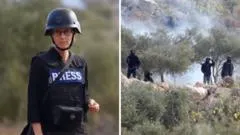
The violence has also extended to international media personnel covering the situation. A Washington Post photographer, Heidi Levine, was reportedly hospitalized following an encounter with a group. Levine stated to reporters that she "got jumped" and described being kicked while on the ground. Such incidents highlight the increasing risks faced by journalists attempting to document the realities of the West Bank harvest.
Record levels of settler violence reported by the UN
The United Nations has highlighted a significant and alarming increase in the frequency of these incidents. According to the UN, the levels of violence perpetrated by Israeli settlers have reached an all-time high this year. The scale of the aggression is such that the past two weeks alone have seen more attacks than the entire harvest season of the previous year.
This rapid escalation suggests a shift in the intensity of settler activity in the occupied territories. The combination of agricultural sabotage, such as the burning of trees, and direct physical assaults indicates a systematic disruption of Palestinian life during a vital period of the year. As the harvest continues, the potential for further clashes remains high, given the documented surge in activity.
Frequently Asked Questions
What is the legal status of the outposts involved?
The outposts from which these attacks have been launched are considered illegal under international law. While they are used by settlers to exert control over surrounding areas, they lack the legal standing required by international frameworks governing occupied territories.
How has the olive harvest been impacted by these attacks?
The harvest has been severely impacted through both physical violence and economic sabotage. Settlers have been documented setting fire to olive trees and using stones to disrupt the work of farmers, leading to significant losses for Palestinian agricultural workers.
What has the UN said about recent violence levels?
The UN has stated that settler violence has reached an all-time high. They noted that the number of attacks in the last two weeks has already exceeded the total number of attacks recorded during the entire previous year's harvest season.
Synthesis of the current situation
The recent surge in attacks against Palestinians during the West Bank olive harvest represents a critical escalation in regional tensions. The combination of arson, physical assault on farmers, and the targeting of international journalists underscores a period of unprecedented volatility. With the United Nations reporting that violence has reached record levels, the destruction of olive trees serves as both a physical and economic blow to the local population. As these incidents continue to unfold near illegal outposts, the security of the harvest remains deeply compromised, highlighting a growing pattern of aggression that threatens the stability of the region's agricultural traditions and human rights.




