
What sequence of events unfolded near Abu Falah?
Masked settlers approached Palestinian farmers working in olive groves early in the morning. They set fire to trees and vehicles while farmers attempted to collect fruit. Several cars carrying injured people left the area as smoke rose from multiple fires. Farmers described groups of settlers arriving with sticks, rocks and firearms. The confrontation escalated when settlers moved down from a nearby ridge toward the fields. Palestinian harvesters retreated while some threw stones in response. Israeli security forces arrived and dispersed the crowd with tear gas.
Who was injured and what injuries were reported?
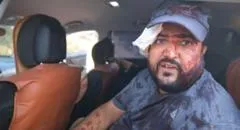
Twelve Palestinians sustained wounds, including four who hold dual US citizenship. One man received deep head injuries from nail-studded sticks. His elderly mother was also struck. A US journalist working for the Washington Post was kicked repeatedly while on the ground. She wore protective gear that limited the damage. Local residents transported the wounded to medical facilities along narrow tracks. The UN has documented more than 120 injuries and one death linked to settler actions during this harvest period.
How did the journalist describe the assault?
The journalist stated that dozens of settlers ambushed her while she reported from the scene. She was knocked down, kicked and prevented from keeping hold of her equipment for approximately ten minutes. Her helmet and flak jacket provided some protection. The Washington Post editor called for a full investigation into the attack on a clearly identifiable journalist.
What actions did Israeli forces and officials take?
Israeli forces arrived after the initial clashes and fired tear gas to end the standoff. They stated that personnel had been sent following reports of violence and that a female journalist had been hurt. The prime minister's office indicated that facts were still under review. The US State Department confirmed awareness of the incidents and demanded arrests and convictions of those responsible for criminal acts.
Why has the olive harvest become a repeated flashpoint?
Settler outposts have expanded around Palestinian farmland in recent years. Farmers now work in large coordinated groups for protection and use power tools to finish picking before attacks occur. The UN noted that settler assaults in the past two weeks already exceeded the total recorded during the previous full harvest season. The annual collection of olives has turned into a test of speed and numbers amid growing numbers of illegal outposts.
Frequently asked questions
What triggered the clashes near Abu Falah?
Settlers descended from a ridge overlooking the groves, set fires and advanced toward farmers who were harvesting olives. The arrival of Israeli forces later dispersed the groups.
How many people were hurt in the reported incidents?
Officials recorded 12 Palestinian injuries plus one US journalist. Four of the Palestinian victims hold dual American citizenship. The UN has tracked over 120 injuries and one death across the West Bank this season.
Did Israeli authorities respond to the violence?
Security forces deployed tear gas after reaching the site. Officials stated that investigations into the circumstances were underway and that a journalist had been injured during the confrontation.
What position did the US State Department take?
The department condemned criminal violence by any party and called for investigations, arrests and convictions of those responsible for the attacks.
Are the settlements involved considered legal?
All Israeli settlements in the West Bank are regarded as illegal under international law. Outposts are also illegal under Israeli domestic law, although many receive state support.
Key takeaways
Masked settlers attacked Palestinian olive harvesters near Abu Falah and set fire to trees and cars on 16 October 2026.
Twelve Palestinians and one US journalist were injured during the clashes witnessed by a BBC team.
The UN has recorded one Palestinian death and more than 120 injuries from settler violence so far this harvest season.
Israeli forces used tear gas to separate the groups after arriving at the site of the confrontation.
The US State Department condemned the violence and requested full investigations and prosecutions.
Palestinian farmers now harvest in large groups and work rapidly to reduce exposure to attacks.
Conclusion
The attacks near Abu Falah form part of a documented increase in settler violence during the 2026 olive harvest. Coordinated Palestinian work groups and rapid picking methods reflect efforts to limit exposure. Official statements from Israeli and US authorities indicate that investigations are continuing. The pattern of incidents around expanding outposts continues to shape conditions for Palestinian farmers in the affected areas of the West Bank.




