
How many IDF investigations remain without public results?
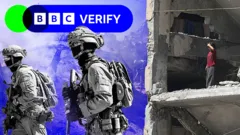
BBC Verify documented 254 incidents in which the IDF said it was investigating allegations of harm yet issued no public outcome. These cases span Gaza, Lebanon, the occupied West Bank and Israel. The analysis began with more than 60,000 news reports and narrowed to 300 incidents the military acknowledged examining. Only 28 of those produced published results on the IDF website, while 18 cases had unclear status. The IDF responded to repeated queries on just two incidents, both described as ongoing.
Where did the incidents without outcomes occur?
Of the 254 cases, 158 took place in Gaza, 48 in the West Bank and 32 in Lebanon. Sixteen occurred inside Israel or in IDF detention facilities. More than 200 of the incidents involved at least one reported death. Several date to late 2023, including a strike on a Gaza school building in August 2024 that reportedly killed at least 93 people.
What examples received criminal referrals?
Two high-profile cases escalated to criminal investigation involve the death of five-year-old Hind Rajab and the shooting of 15 Palestinian Red Crescent workers. An August IDF report also covered the killings of seven World Central Kitchen aid workers and four Médecins Sans Frontières staff, though those did not lead to criminal probes.
How does the IDF conduct and report investigations?
The IDF stated that results of military investigations are not routinely published. Some reviews occur at command level to establish events and identify lessons. The military said it has taken disciplinary action in dozens of cases during the war. Freedom of Information data from Yesh Din showed 1,456 Gaza-related incidents referred to the General Staff Fact-Finding and Assessment Mechanism between October 2023 and August 2024, with 12 completed and two leading to criminal investigations.
What standards apply to investigations in armed conflict?
International Committee of the Red Cross guidelines call for investigations into potential violations of international humanitarian law to be as transparent as possible. Oxford professor Janina Dill noted that parties to conflict must investigate and potentially prosecute their own forces. Former IDF lawyer Eran Shamir-Borer cited practical difficulties in collecting evidence in hostile territory but said greater transparency would benefit Israel.
Frequently asked questions
What is the total number of cases BBC Verify reviewed?
BBC Verify identified 300 incidents the IDF said it was examining, with 254 showing no public outcome after manual verification of news reports and official statements.
Has the IDF published any recent investigation results?
In August the IDF released a report on five Gaza incidents, including two that moved to criminal investigation and three that did not meet thresholds for criminal review.
Why do some investigations remain unresolved for years?
Yesh Din researcher Dan Owen stated the IDF often prolongs reviews until public attention fades. The military cited legal, operational and privacy considerations for limited disclosure.
Do all cases involve reported deaths?
More than 200 of the 254 incidents without public outcomes involved at least one reported fatality, according to the incidents examined by BBC Verify.
What happens after the Fact-Finding Mechanism completes a review?
Completed cases transfer to the Military Prosecution for further examination. The IDF report indicated about 150 cases had reached this stage by August 2026.
Key takeaways
BBC Verify found 254 incidents where the IDF announced investigations but published no outcomes.
Only 28 of 300 examined cases produced public results on the IDF website.
At least 200 of the unresolved incidents involved reported deaths between 2023 and 2026.
Yesh Din data recorded 1,456 Gaza-related referrals to the Fact-Finding Mechanism, with two leading to criminal probes.
ICRC guidelines require investigations into potential law-of-war violations to be transparent.
Conclusion
The BBC Verify findings highlight a pattern in which the IDF acknowledges many allegations yet releases limited information on their resolution. Data from rights groups and the military's own statements show that most referred cases remain at early stages or without published conclusions. Experts note both operational challenges in conflict zones and the requirement under international standards for prompt and transparent review. Greater disclosure, as suggested by former IDF legal officials, could address concerns over accountability while respecting security constraints.




