
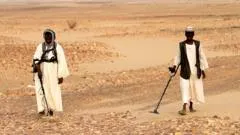
How many people were killed in the border air strikes?
At least 72 civilians have been confirmed dead following air strikes on gold mining sites near the Sudan-Egypt border, according to a statement released by Emergency Lawyers on Sunday. The rights group, which is headquartered in Khartoum, noted that this figure remains provisional and is expected to rise as more information emerges from the remote region.
Reports from the Paris-based Sudan Tribune suggest the actual death toll may be significantly higher than the initial count provided by Emergency Lawyers. A survivor of the Saturday morning attack indicated that the number of casualties could far exceed the current estimates due to the widespread nature of the injuries sustained during the bombardment. The scale of the tragedy highlights the extreme vulnerability of artisanal miners operating in these contested borderlands.
The timeline of the Saturday attack
Eyewitness accounts provided to the Sudan Tribune indicate that the strikes commenced at approximately 06:00 local time (04:00 GMT). The attack was characterized by high-intensity military action, with aircraft reportedly firing more than five missiles directly into the heart of the miners' camps. The devastation was not limited to personnel; the missiles also struck excavation pits, trapping many workers underground. The destruction of temporary shelters and equipment has left the surviving prospectors without the basic means of survival in an already harsh environment.
Why are artisanal miners being targeted in this region?
The targeting of artisanal miners appears to be linked to broader security operations and crackdowns on illicit activities along the southern border of Egypt. While neither the Egyptian government nor the de facto Sudanese authorities have issued official comments regarding this specific incident, Cairo has a history of facing accusations regarding deadly strikes on gold prospectors. These actions are often framed as part of a state effort to suppress illegal mining and cross-border smuggling.
In June, Egyptian border agencies announced a sweeping security campaign designed to combat illegal migration, drug trafficking, and unauthorized mining. This campaign follows previous reports of Egyptian forces using drones and artillery to target mining sites. There have also been documented instances of border guards burning equipment, torching temporary shelters, and using live ammunition to disperse workers. These patterns suggest that the artisanal mining community is frequently caught in the crosshairs of state-led border enforcement strategies.
What is the impact of gold on Sudan's border tensions?
Gold serves as a primary driver of instability and conflict in the border regions between Sudan and Egypt. The ongoing civil war in Sudan has created a vacuum of authority, leading to a massive surge in artisanal mining. This practice, characterized by civilians using rudimentary tools without official permits, has become a vital, albeit dangerous, economic activity in remote areas.
The geography of the region exacerbates these tensions. Gold-rich deposits are located along porous borders and within terrain that has historically served as a conduit for smuggling. Because artisanal gold is difficult to track, it frequently enters illicit channels, potentially providing a significant source of revenue for armed insurgent groups and other non-state actors. The economic value of the mineral thus transforms a local livelihood into a matter of national and regional security.
The scale of illegal gold seizures
The intensity of the struggle for control over gold resources is reflected in the scale of recent enforcement actions. According to reports from June, Egypt's border force seized 86 tonnes of gold ore, along with various pieces of amateur prospecting equipment. Such large-scale seizures underscore the volume of gold moving through these unregulated zones and the high stakes involved for both state authorities and the miners themselves.
What are the legal implications of these attacks?
The deliberate targeting of unarmed civilians in these strikes has prompted serious allegations of international law violations. Emergency Lawyers has stated that the attacks represent a breach of Sudan's sovereign territory and demonstrate a lack of effective control by the central government over its border regions. More critically, the group has characterized the strikes as potential war crimes.
According to the statement from Emergency Lawyers, the intentionality behind the missile strikes on civilian camps violates the fundamental right to life and established international humanitarian law. The legal community is monitoring whether these actions constitute a systematic campaign against a specific civilian population. The distinction between legitimate security operations and the unlawful targeting of non-combatants remains the central point of contention in the international response to these events.
How has the Sudanese leadership responded?
The de facto leadership in Sudan has responded to the reports of the deadly strikes by announcing an investigation into the matter. This move comes at a time when the country's internal stability is already compromised by civil conflict, making the management of border security even more complex. The investigation aims to determine the origin of the aircraft and the specific circumstances that led to the high civilian death toll.
However, the effectiveness of such an investigation remains uncertain given the current state of Sudanese governance. The ability of the authorities to access the remote border regions, conduct forensic analysis of the strike sites, and hold responsible parties accountable is hampered by the ongoing instability. The tension between the need for border security and the protection of civilian lives continues to escalate as the conflict over gold resources intensifies.
Frequently asked questions
Who reported the deaths of the gold prospectors?
The Khartoum-based rights group Emergency Lawyers reported that at least 72 civilians were killed. They noted that the death toll is provisional and could increase. Additionally, the Sudan Tribune has cited survivors suggesting the actual number of fatalities and injuries may be much higher.
What caused the deaths in the border region?
The deaths were caused by air strikes targeting artisanal gold mining sites. Eyewitnesses reported that aircraft fired more than five missiles into miners' camps and excavation pits. This military action took place near the border between Sudan and Egypt around 06:00 local time.
Why is gold mining a source of conflict?
Gold mining fuels conflict because the mineral is highly valuable and often smuggled through porous borders. In Sudan, the surge in artisanal mining is linked to the civil war, and the gold can provide income for armed insurgent groups, making it a target for state security forces.
Has Egypt or Sudan commented on the strikes?
As of the latest reports, neither the Egyptian government nor the de facto Sudanese authorities have provided official comments on this specific incident. While Sudan's leader announced an investigation, a formal response regarding the responsibility for the air strikes has not been issued by the involved nations.
Is artisanal mining legal in the region?
Artisanal mining in these areas is often conducted without official permission and is frequently classified as illegal activity by state authorities. This lack of formal status makes miners vulnerable to crackdowns, security campaigns, and military strikes aimed at curbing unauthorized resource extraction.
Key takeaways
- At least 72 civilians were killed in air strikes on Sudan-Egypt border gold mines.
- Emergency Lawyers has stated that these attacks may constitute war crimes.
- The Sudan Tribune reports the death toll could be significantly higher than 72.
- Gold smuggling in these regions can provide income for armed insurgent groups.
- Egypt's border agency previously reported seizing 86 tonnes of gold ore in June.
Conclusion
The recent air strikes on the Sudan-Egypt border represent a significant escalation in the violent struggle over artisanal gold resources. With a provisional death toll of 72, the human cost of these security operations is profound. The allegations of war crimes and the violation of sovereign territory highlight the complex intersection of state security, illegal resource extraction, and international humanitarian law. As Sudan continues to grapple with internal conflict, the role of gold in funding insurgencies and driving border violence remains a critical factor in the region's instability, demanding urgent international attention and accountability.




