
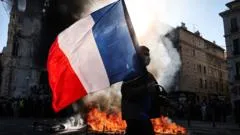
Escalating civil unrest across France
The weekend saw widespread disorder as demonstrators took to the streets in multiple locations. Reports indicated instances of looting and vandalism targeting businesses and public property. This recent wave of violence follows a period of unrest last month, which initially began as student protests focused on school conditions.
Since those initial demonstrations, the movement has evolved. The protests have transitioned from specific educational grievances into broader expressions of public discontent regarding various national issues. This shift suggests that the unrest is reflecting wider social and political tensions currently present within the country.
Government response and security measures
In response to the escalating violence, Prime Minister Sébastien Lecornu announced on Monday that local authorities would be granted the power to enforce partial curfews. These measures are intended to protect residents and safeguard local businesses from further damage during periods of unrest.
The government's decision to allow curfews highlights the severity of the current security situation. Authorities are attempting to manage the volatility of the streets as the scale of the demonstrations continues to fluctuate across different regions.
Political implications for upcoming elections
The current instability has raised questions regarding the impact of social unrest on the country's political landscape. Observers are monitoring how this period of violence might influence voter sentiment during the upcoming elections.
As France reels from the recent episodes of violence, the intersection of street protests and electoral politics remains a central concern for the nation's stability. The intensity of the demonstrations serves as a potential indicator of the political climate expected in the coming months.




