
Massive disruption to the French education system
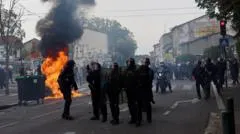
Up to 500 high schools across France are set to face partial or total closures on Monday, according to Education Minister Édouard Geffray. The decision comes as security conditions fail to meet necessary safety standards following recent violent confrontations between riot police and demonstrators. The minister noted that between 400 and 500 institutions will see lessons suspended to protect the safety of the school community.
The scale of the impact on the national infrastructure is significant. According to French Justice Minister Gérald Darmanin, 735 of the country's 3,700 schools had already been affected in some capacity by the violent protests as of Friday. While the government aims for a "partial, progressive return to lessons," the immediate reality for many students is a significant interruption to their academic calendars. The disruption is not localized to the capital; demonstrations have spread from Paris to major cities including Marseille, Nantes, and Montpellier.
Damage to school infrastructure
The physical toll on educational facilities has been severe. Minister Geffray reported that 24 schools have been burned or ransacked since the beginning of the current protest movement. This widespread vandalism complicates the government's efforts to restore order and safely reopen classrooms.
Root causes of the widespread student unrest
The protests, which began last week, are driven by deep-seated grievances regarding the quality and management of the French education system. High school pupils and various other groups have voiced intense opposition to several systemic failures. Primary among these concerns are acute teacher shortages, overcrowded classrooms, and the deteriorating state of school buildings.
The movement has evolved from localized complaints into a nationwide phenomenon. While the students are the primary drivers, the government has expressed concerns regarding the nature of the demonstrations. Minister Geffray claimed that activists, specifically those from the far-left, have infiltrated the student movement. According to the minister, these individuals have hijacked the movement from the students themselves to engage in extreme violence, creating an environment that poses a risk to both staff and pupils. The human cost of this escalation is already evident, with 78 education staff members reported wounded during the unrest.
Arrests and the scale of civil disobedience
Law enforcement has responded to the escalating violence with significant numbers of detentions. On Friday alone, 1,747 people were arrested, according to French Interior Minister Laurent Nuñez. The total number of individuals detained since the movement began has reached a staggering figure. According to the AFP news agency, over 5,000 people have been arrested in total, with a notable demographic trend: approximately 85% of those arrested are minors.
This high percentage of underage detainees highlights the intensity of the involvement of high school students in the clashes. As organizers call for continued demonstrations on Tuesday, accusing the government of failing to provide "concrete measures," the tension between the youth and the state continues to mount. The government faces the dual challenge of managing large-scale civil disobedience while attempting to address the underlying educational deficiencies that sparked the anger.
Government countermeasures and legislative responses
Prime Minister Sébastien Lecornu has pledged that the government is taking steps to address the difficulties faced by both students and educational staff. The administration's strategy involves a multi-pronged approach aimed at stabilizing the system. This includes efforts to ensure the continuity of classes, improvements to school facilities, better organization of school days, and increasing the transparency of the French university admissions platform.
Beyond administrative adjustments, the government is pursuing more punitive measures to deter future violence. Prime Minister Lecornu announced that the administration is accelerating the review of the "vandal-pays" bill. This legislation is designed to ensure that individuals responsible for the destruction of public property are held financially accountable for the costs of the damage they cause. By linking criminal actions to direct financial consequences, the government hopes to curb the ransacking of schools and other public institutions.
Frequently Asked Questions
Why are schools closing in France?
Schools are closing due to safety concerns following violent clashes between protesters and police. Education Minister Édouard Geffray stated that between 400 and 500 high schools must suspend lessons because security conditions have not been met to ensure the safety of students and staff.
What are the students protesting about?
Students are demonstrating against declining education standards in France. Their specific grievances include a lack of available teachers, classrooms that are overcrowded, and the poor condition of school buildings. These issues have triggered widespread protests across multiple major French cities.
How many people have been arrested?
Over 5,000 people have been arrested since the start of the protests, according to the AFP news agency. A significant portion of these detainees are young, with approximately 85% of those arrested being minors, reflecting the heavy involvement of students in the unrest.
The future of French educational stability
The current crisis in France represents a significant challenge to the stability of the national education system. While the government attempts to balance security through police intervention and new legislation like the "vandal-pays" bill, the core grievances regarding teacher shortages and facility maintenance remain unresolved. The high number of arrests, particularly among minors, and the physical damage to schools suggest that a return to normalcy will require more than just security measures. Lasting stability will likely depend on the government's ability to implement the concrete structural reforms demanded by the student body.
