
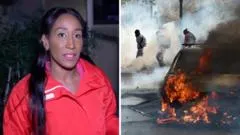
Violence erupts during mass demonstrations
The large-scale demonstrations quickly turned into scenes of civil unrest as protesters targeted various urban areas. According to reports, individuals set fire to cars and buildings, while several shops were ransacked during the chaos. In response to the escalating disorder, riot police utilized water cannons and tear gas to disperse the crowds throughout the day.
Law enforcement agencies confirmed that at least 1,200 people were arrested on Saturday as a result of the clashes. The scale of the unrest reflects a period of heightened tension that has been building across the nation.
Economic grievances and political tension
The demonstrations were driven by public anger regarding economic conditions and the rising cost of living. Demonstrators also called for greater government investment in the national education system. This latest wave of unrest follows several weeks of protests led by students, who have recently joined forces with other groups to voice their discontent.
A central point of the protesters' anger involves the handling of the current economic crisis by President Emmanuel Macron. The convergence of student movements and broader economic concerns has intensified the pressure on the French administration.
Macron responds to civil unrest
President Emmanuel Macron addressed the violence via a social media post, where he condemned the acts of destruction. "Vandals and looters will be prosecuted and punished," Macron stated, according to the report.
The administration's stance emphasizes a commitment to legal consequences for those involved in the looting and arson that occurred during the Saturday marches.
Next steps
Authorities are expected to continue monitoring the situation as they process the individuals arrested during the weekend demonstrations.




