
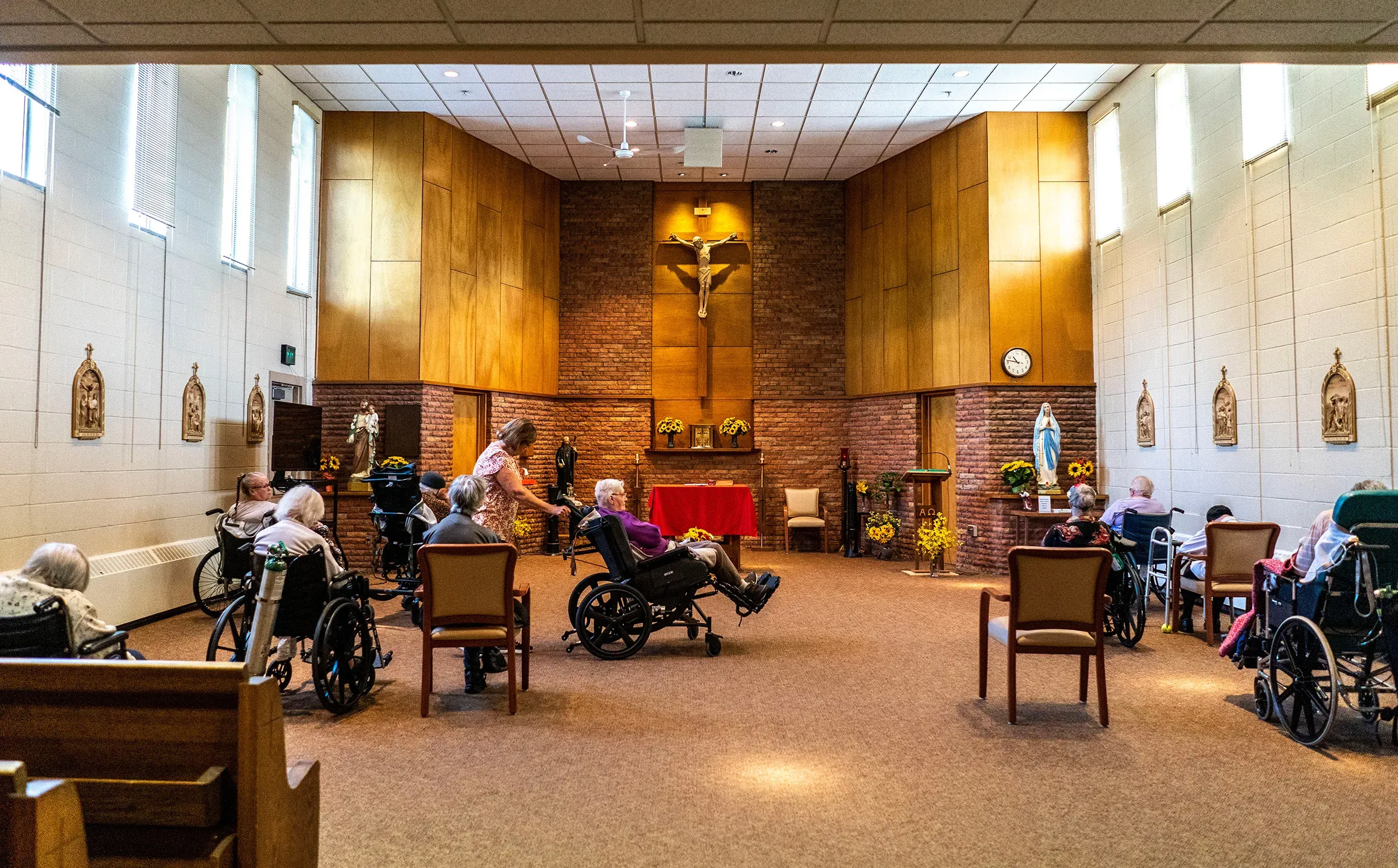
Why are election groups contacting nursing homes now?
With only weeks remaining until the midterm elections, election denial groups have identified nursing homes, care homes, and assisted-living facilities as their latest target. Leading this movement is the right-wing Election Integrity Network, which has begun mobilizing its followers to actively monitor and question these facilities. The group’s strategy involves a multi-pronged approach: they distribute digital toolkits via their website and produce social media graphics designed to reinforce the narrative of widespread voter fraud within long-term care settings.
These campaigns specifically target competitive congressional districts. The network has shared maps identifying residential care facilities in key states, including Arizona, California, New Hampshire, Pennsylvania, and Virginia. In these materials, the group labels residents as "vulnerable" and suggests they are "targets for political predators seeking easy access to ballots." By encouraging followers to download these toolkits and engage in direct contact—such as emailing and calling local nursing homes—the network is attempting to create a grassroots pressure campaign centered on the idea of institutionalized vote theft.
This effort is not isolated. The New York–based Project Civica has launched a parallel campaign titled "Adopt a Care Facility." While Project Civica has declined to disclose the exact number of participants in its program, the group’s messaging aligns with the broader movement, echoing the same allegations regarding voter fraud in Wisconsin and other unspecified instances of irregularity.
What evidence supports the voter fraud allegations?
The primary evidence cited by the Election Integrity Network is a specific case from 2020 in Wisconsin. In that instance, a local sheriff alleged that eight residents in a care home had their votes filled out for them by others. This single event has become a cornerstone of the network's current rhetoric. Cleta Mitchell, the founder of the Election Integrity Network, used an appearance on Steve Bannon’s War Room show to amplify these claims, suggesting that such activities are part of a larger effort by left-wing organizations to "steal the votes of these most vulnerable."
However, the historical context of the Wisconsin case does not support the network's claims of election-altering impact. The Wisconsin Election Commission officially reviewed and rejected the allegations made by the sheriff. Furthermore, Mitchell's assertion that this case could have cost Donald Trump the 2020 election is mathematically unsupported; Trump lost the state of Wisconsin by more than 20,000 votes. Despite these discrepancies, the network continues to use the case to justify its current outreach. To date, no additional verified instances of nursing-home-based voter fraud have been presented by these groups to substantiate their claims of a widespread conspiracy.
Regulatory background from CMS
The surge in targeting nursing homes follows a significant shift in federal regulatory guidance. In July, the Centers for Medicare and Medicaid Services (CMS) issued a memo that fundamentally altered how nursing home staff may interact with residents regarding elections. Previously, guidance allowed staff to assist residents with the voting process, which included tasks such as helping with mail-in ballots or providing transportation to polling locations.
The new CMS memo replaced that supportive guidance with a framework centered on potential legal consequences. It warns staff of prosecution if they are found to "engage in inappropriate coercion or other violations of residents’ rights." The agency justified this shift by stating it had "become aware of several allegations of instances in which resident rights were unlawfully violated." However, the memo failed to provide specific evidence of such violations, and the examples cited did not lead to any proven cases of voter fraud. CMS has not responded to requests for comment regarding the impact of this change or the lack of proven fraud cases accompanying the memo.
How have lawmakers and facilities responded?
The change in CMS guidance has drawn sharp criticism from high-profile lawmakers. In August, Senators Elizabeth Warren and Alex Padilla sent a formal letter to CMS administrator Mehmet Oz, arguing that the new rules serve to intimidate staff rather than protect residents. The senators expressed concern that the memo would effectively disenfranchise the approximately 2 million people living in nursing homes across the country by making staff too fearful to provide necessary voting assistance. The letter also noted the political context of the administration, pointing out that Oz himself has fluctuated in his stance on whether the 2020 election was rigged.
Responses from the groups conducting the outreach offer a different perspective. Kim Hermance, cofounder and president of Project Civica, told WIRED that her organization does not presume wrongdoing by facilities simply because residents require assistance. However, Hermance noted that they have observed other public cases of forged absentee applications. Additionally, Project Civica reported that their review of New York records showed individuals over the age of 85 registering and voting for the first time shortly before an election. While Hermance acknowledged that such activity is not illegal in itself, she stated it raises "a basic question about how facilities handle the process."
What is the broader context for these efforts?
The current focus on nursing homes is not a standalone phenomenon but part of a much larger, coordinated push by election deniers to undermine public trust in the upcoming midterm elections. This movement follows established patterns of rhetoric used by these groups, such as previous claims regarding noncitizen voting and widespread fraud involving mail-in ballots. These narratives have been "supercharged" by the current administration's stance on election integrity.
The Election Integrity Network, which maintains close ties to the White House, is a central player in this ecosystem. By targeting a specific, vulnerable demographic and linking them to broader theories of institutional corruption, these groups aim to create a sense of widespread irregularity. As the midterms approach, the intersection of new federal guidance and aggressive grassroots monitoring suggests a highly contentious environment for voter access in long-term care facilities. Neither the Election Integrity Network nor CMS has responded to requests for comment on the current campaigns or the potential for disenfranchisement.
Frequently asked questions
What prompted the CMS memo change?
The July memo replaced prior instructions that allowed nursing home staff to assist residents with voting (such as mail-in ballots or transportation) with warnings of potential prosecution for "inappropriate coercion" or rights violations.
Have any nursing-home fraud cases been proven?
No. The primary case cited by the Election Integrity Network—a 2020 Wisconsin incident involving eight residents—was rejected by the Wisconsin Election Commission. No other verified instances have been produced.
Which states are seeing the most outreach?
Campaign materials from the Election Integrity Network have specifically mapped and highlighted facilities in competitive congressional districts in Arizona, California, New Hampshire, Pennsylvania, and Virginia.
Do the groups claim all facilities are involved?
Not explicitly. Project Civica has stated that they do not presume wrongdoing by a facility simply because its residents require voting assistance.
What options remain for residents who need help voting?
While staff face new risks of prosecution under the CMS memo, residents may still seek assistance, though the regulatory environment has created significant uncertainty regarding the level of support staff can legally provide.
Key takeaways
Election Integrity Network campaigns are actively urging followers to contact nursing homes based on unproven claims of voter theft. The 2020 Wisconsin case used as a precedent was rejected by state officials and did not impact the election outcome. A new CMS memo has removed previous voting-assistance guidance, replacing it with warnings of prosecution that lawmakers argue will disenfranchise 2 million residents. Project Civica is running a parallel "Adopt a Care Facility" campaign. No official responses were provided by the Election Integrity Network or CMS.
Conclusion
The targeting of nursing homes represents a new frontier in the ongoing effort by election denial groups to challenge the legitimacy of the electoral process. By leveraging regulatory shifts from the CMS and focusing on vulnerable populations in competitive districts, these groups are attempting to transform administrative guidance into a tool for political scrutiny. Whether these efforts result in actual documented fraud or simply serve to intimidate staff and disenfranchise elderly voters remains a central concern for lawmakers and election observers as the midterms approach.




