
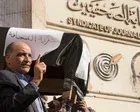
Why are Matsadaash journalists facing terrorism charges?
The six journalists from the investigative and fact-checking platform Matsadaash have been charged with terrorism-related offences by Egyptian authorities. According to reports from October 2026, the state accuses the group of operating without a license and disseminating false information to benefit the outlawed Muslim Brotherhood. The arrests were carried out by plainclothes officers at the journalists' homes and in public spaces.
The individuals identified in the proceedings include Abdallah Qadri, Mohamed Ashraf Abu Emeira, Mohamed Adel, Islam Barakat, Mohamed Mahmoud, and Omar Helal. While one individual was charged on Sunday, the remaining five faced charges late on Wednesday. The prosecution's stance is that these individuals are elements of the Muslim Brotherhood, a designation that carries severe legal consequences under current Egyptian law.
The legal framework and the Muslim Brotherhood designation
The use of terrorism charges against media professionals often stems from the legal classification of the Muslim Brotherhood as an outlawed organization. Under this framework, any perceived collaboration with the group—whether through financial support, organizational ties, or the dissemination of its messaging—can be prosecuted as a national security threat rather than a standard media violation.
What are the allegations of torture and forced confessions?
The detainees have reported severe physical and psychological abuse while in police custody, alleging that these methods were used to extract false admissions of guilt. Lobna Darwish, representing the Matsadaash staff through the Egyptian Initiative for Personal Rights (EIPR), stated that journalists reported being blindfolded and handcuffed for several days. According to Darwish, the detainees were subjected to beatings, forced stripping, and electric shocks.
Furthermore, the journalists have alleged that they were threatened with harm to their family members to ensure compliance. A critical component of these allegations involves the production of "confessions." The detainees claim they were forced to read prepared statements from sheets of paper during filmed sessions. These sessions reportedly involved "repeated takes" conducted by what the journalists described as professional filming crews, suggesting a highly orchestrated effort to create a public record of guilt.
The official response from the prosecution and ministry
The Egyptian authorities have categorically denied all allegations of ill-treatment. The interior ministry described the claims of torture as "baseless" and characterized them as a tactic used by detainees to evade legal accountability. Regarding the forensic aspect, the public prosecution issued a statement asserting that three journalists who alleged mistreatment underwent forensic examinations which showed no signs of violence or physical injury.
How has the crackdown affected other media professionals?
The arrests of the Matsadaash team are not isolated incidents but appear to be part of a wider trend of targeting independent voices. Rasha Azab, a journalist, was recently questioned by the supreme state security prosecution following a social media post that criticized the interior ministry's actions regarding the Matsadaash arrests. Although Azab was released on bail, she faces charges related to using a website to promote ideas that advocate for terrorist crimes.
Legal counsel for Azab, Mahienour El-Masry, noted the severity of the prosecution's approach, stating that prosecutors presented Azab with 11 identical complaints filed across different governorates. This pattern of multi-jurisdictional complaints suggests a coordinated legal effort to suppress criticism of state security apparatuses. The pressure on journalists is compounded by economic instability, as the profession in Egypt currently faces low wages and highly insecure employment conditions.
What is the impact on press freedom in Egypt?
The current environment represents a significant escalation in the state's pressure against independent media outlets. Hadeer El-Mahdawy, a member of the organizing committee for the upcoming protest, described the situation as a "very difficult moment on every level." The collective sentiment among media professionals is that the current trajectory threatens the very existence of independent journalism in the country.
The protest planned for the weekend in Cairo serves as a symbolic and practical attempt to defend the remaining space for media autonomy. Organizers emphasize that the rejection of these arrests is necessary to protect the profession and the safety of individual journalists. The convergence of terrorism charges, allegations of systemic torture, and the targeting of social media criticism creates a restrictive landscape that makes investigative and fact-checking work increasingly perilous.
Frequently asked questions
Who are the journalists arrested from Matsadaash?
The six journalists arrested are Abdallah Qadri, Mohamed Ashraf Abu Emeira, Mohamed Adel, Islam Barakat, Mohamed Mahmoud, and Omar Helal. They are members of the independent fact-checking and investigative platform Matsadaash and were detained by plainclothes officers.
What specific charges are being brought against them?
The journalists face terrorism-related charges. Egyptian authorities allege they were operating without a license and producing false news to support the outlawed Muslim Brotherhood, which the state classifies as a terrorist organization.
Have the journalists reported any abuse in custody?
Yes, the journalists have alleged they were subjected to torture, including beatings, electric shocks, and being blindfolded for days. They also claim they were forced to film false confessions under threat to their families.
How has the Egyptian government responded to these claims?
The interior ministry and public prosecution have denied all allegations of torture. They stated that forensic examinations showed no injuries and described the claims as an attempt by the detainees to evade their legal charges.
Is this part of a larger trend in Egypt?
Yes, the arrests are viewed by media advocates as part of a broader escalation against independent media. Other journalists, such as Rasha Azab, have also faced legal scrutiny for criticizing state security or ministry actions.
Key takeaways
- Six Matsadaash journalists face terrorism charges for allegedly supporting the Muslim Brotherhood.
- Detainees allege they were subjected to torture, including electric shocks and beatings.
- Authorities deny all torture allegations, citing forensic reports that show no injuries.
- Journalists claim they were forced to film scripted, false confessions for the state.
- The arrests are seen as part of a wider crackdown on independent Egyptian media.
Conclusion
The detention of the Matsadaash journalists marks a significant point of tension between the Egyptian state and the independent media sector. The combination of terrorism charges and allegations of systemic torture highlights the extreme risks faced by investigative journalists in the region. While the government maintains that its actions are lawful and its denials of abuse are absolute, the testimonies of the detainees and their legal representatives suggest a pattern of coercion. As protests are organized in Cairo, the international community and local media watchdogs continue to monitor whether these actions represent a temporary surge in security measures or a permanent tightening of the grip on freedom of the press.




