
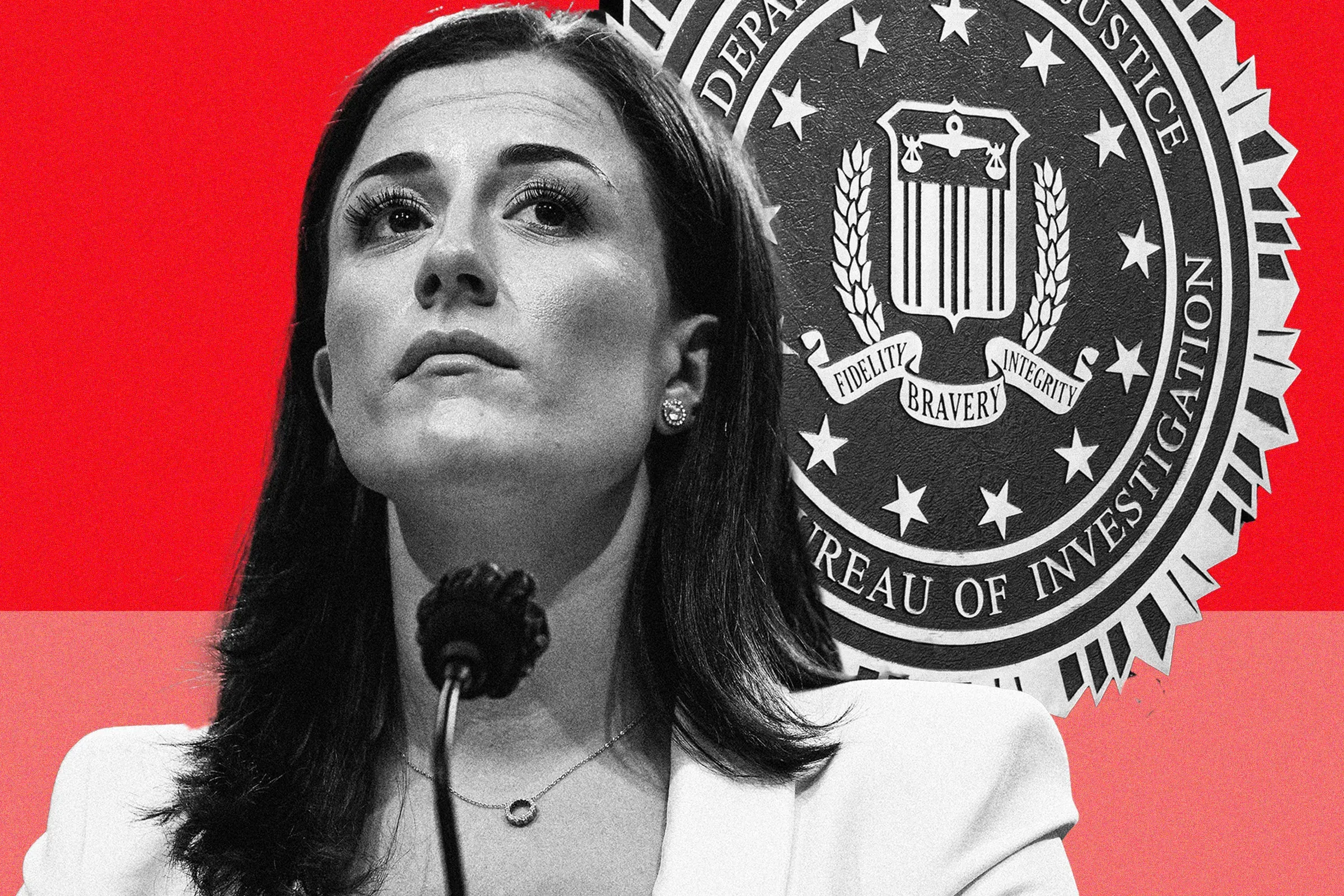
Why is the Justice Department reviewing perjury charges against Cassidy Hutchinson?
Federal prosecutors have spent several months examining whether Cassidy Hutchinson’s testimony to the January 6 committee contained knowing falsehoods. This review is a meticulous process that involves a side-by-side comparison of her various accounts. Specifically, prosecutors are looking at her committee interviews and public testimony and weighing them against the statements she later provided to former special counsel Jack Smith’s team.
Sources familiar with the matter indicate that prosecutors are attempting to construct a case by identifying how her testimony has changed over time. The investigation is not merely a review of her recollections but a granular, comparative analysis of multiple investigative stages. [TO VERIFY: exact scope of Smith’s non-corroboration of Hutchinson’s account]. By contrasting these different versions of events, the Justice Department is seeking to determine if there are inconsistencies significant enough to warrant criminal prosecution for perjury or obstruction of justice.
The scrutiny aims to determine if the discrepancies found are accidental lapses in memory or deliberate attempts to mislead investigators. As the department evaluates these transcripts, the central question remains whether these shifts in her narrative constitute a criminal violation of the law.
What specific parts of Hutchinson’s testimony are under scrutiny?
Prosecutors are currently examining two primary elements of Hutchinson's testimony that appear to lack corroboration from other sources. The first major point of contention involves Hutchinson’s recollection of an altercation involving President Donald Trump. She testified that Trump lunged at one of his Secret Service agents after being informed that he would not be permitted to join his supporters at the Capitol. However, this account is directly challenged by the Secret Service, which has denied that any such altercation occurred within the presidential vehicle.
The second point of scrutiny involves a specific claim regarding a written statement. Hutchinson claimed that she had personally penned a statement on a notecard for Trump to release during the chaos of the Capitol riot. This claim is disputed by former Trump White House counsel Eric Herschmann, who has stated that he was actually the one who wrote the note in question. By weighing these conflicting accounts—Hutchinson's claim against the official denials from the Secret Service and the specific assertions made by Herschmann—prosecators are testing the veracity of her testimony.
The high evidentiary bar for perjury requires more than just a discrepancy; prosecutors must prove that any false statement was not only incorrect but was made knowingly and had a material impact on the investigation. These two specific instances—the alleged physical altercation and the authorship of the notecard—form the core of the evidentiary challenge facing the Justice Department.
Procedural path of the investigation
The investigation into Hutchinson gained significant momentum following a criminal referral by Representative Barry Loudermilk, a Georgia Republican. Loudermilk has been a vocal and long-term critic of the January 6 committee's work. His attempts to depose Hutchinson were previously blocked by House Speaker Mike Johnson, who expressed concerns regarding the potential surfacing of damaging texts of a sexual nature involving lawmakers and Hutchinson.
In a procedural move that has drawn considerable attention, the referral was assigned to the Civil Rights Division of the Justice Department. This is considered an unorthodox assignment, as such cases are typically handled by the U.S. Attorney for the District of Columbia or the Criminal Division, which manages public corruption. Under standard Justice Department guidelines, the Civil Rights Division is intended to handle cases with a specific nexus to civil rights violations. The division is currently led by Harmeet Dhillon, a Trump loyalist known for advocating the administration's prosecutorial agenda.
This assignment has become a focal point for those observing how the DOJ handles cases involving perceived political opponents of the former president. The move to the Civil Rights Division, rather than the standard criminal channels, highlights the unique and potentially controversial nature of how this specific investigation is being managed within the department.
How does the timing of any charges relate to upcoming elections?
While the investigation is active, the timing of any potential legal action is being closely watched in the context of the political calendar. Sources indicate that prosecutors are not expected to ask a federal grand jury in Washington to return an indictment until at least after the midterm elections. This delay suggests a cautious approach to the timing of formal charges, ensuring that the legal process navigates the complexities of the election cycle.
The investigation is also viewed within a broader pattern of Justice Department activity regarding cases involving Donald Trump’s perceived political enemies. This context is underscored by the dismissal of former U.S. Attorney General Pam Bondi in April; sources suggest she was fired partly due to moving too slowly in bringing such cases. This suggests a high-pressure environment regarding the speed and direction of prosecutions involving the former president's associates and critics.
Hutchinson, who is now 29, has maintained a low profile since the 2023 release of her memoir, Enough, and has not responded to the ongoing scrutiny. The intersection of these criminal reviews and the election cycle remains a significant factor in the department's procedural timeline and the eventual decision on whether to move forward with a grand jury.
What legal standards would apply to any perjury prosecution?
The legal threshold for a successful perjury prosecution is exceptionally high, making it a difficult charge to secure. Former U.S. Attorney Joyce Vance explains that to secure a conviction, prosecutors must prove three specific elements beyond a reasonable doubt: first, that Hutchinson actually lied; second, that she did so knowingly; and third, that the lie materially impacted the investigation. If the prosecution cannot meet this rigorous burden, the case may fail even if discrepancies are identified.
In addition to perjury, obstruction-of-justice charges are also being considered by the Justice Department. It remains unclear whether the department intends to pursue both sets of charges or if they will focus on a single theory of prosecution. This uncertainty is compounded by the fact that some Justice Department officials have expressed skepticism regarding the viability of a criminal case against Hutchinson, citing the inherent difficulty of meeting these high legal standards.
The Justice Department has not responded to requests for comment on the matter, leaving the ultimate legal strategy and the strength of the evidence unsettled. The decision to proceed will hinge on whether the investigators can move beyond mere contradictions to prove the specific intent required for criminal liability.
Frequently asked questions
Has Cassidy Hutchinson been indicted?
No indictment has been returned. Prosecutors are currently weighing the evidence, and sources indicate that no grand jury presentation is expected until after the midterm elections.
Who referred the matter to the Justice Department?
The investigation was prompted by a criminal referral from Representative Barry Loudermilk, a Georgia Republican and a longtime critic of the January 6 committee.
Why was the case assigned to the Civil Rights Division?
The referral was assigned to the Civil Rights Division, led by Harmeet Dhillon, rather than the Criminal Division or the U.S. Attorney for the District of Columbia. This is considered an unorthodox move, as the Civil Rights Division typically handles cases with a nexus to civil rights violations.
Did Jack Smith corroborate Hutchinson’s testimony?
Sources indicate that the investigation led by former special counsel Jack Smith did not corroborate much of Hutchinson’s account provided to the January 6 committee.
Has Hutchinson responded to the reports?
Hutchinson and her legal counsel have not responded to requests for comment regarding the Justice Department's interest in her testimony.
Key takeaways
- Prosecutors are comparing Hutchinson’s committee testimony with her later statements to Jack Smith’s team and Secret Service records.
- The review was triggered by a criminal referral from Representative Barry Loudermilk and assigned to the Civil Rights Division.
- No indictment is expected before the midterm elections.
- Perjury requires proof of a knowing false statement that was material to the investigation.
- Former White House counsel Eric Herschmann has disputed Hutchinson’s claim that she drafted a statement for President Trump.
- Some Justice officials remain skeptical that the high evidentiary bar for perjury can be met.
Outlook for the investigation
The Justice Department continues to assess whether discrepancies in Hutchinson's statements rise to the level of provable perjury or obstruction. Any decision will depend on the strength of the evidence assembled from interview transcripts and third-party accounts, such as those from the Secret Service and Eric Herschmann. The assignment of the matter to the Civil Rights Division and the post-midterm timeline for possible indictment remain notable procedural features. Further developments will hinge on internal reviews and the availability of corroborating or contradictory records.




