
Why was a special prosecutor appointed for the Cornell case?
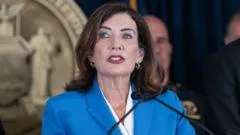
Governor Kathy Hochul appointed Attorney General Letitia James to lead the investigation because she lost confidence in the local prosecution's ability to manage the matter fairly. The decision marks a significant shift in jurisdiction from the local level to the state's chief legal officer. According to Governor Hochul, new information has surfaced that raises serious questions regarding the previous handling of the allegations.
The intervention follows a civil lawsuit filed in September by the victim, identified in court documents as Jane Doe. This lawsuit brought the 2024 allegations into the national spotlight, prompting a reassessment of how the initial report was processed. By appointing James, the Governor aims to ensure that the investigation is guided by a fresh perspective and rigorous legal standards, particularly given the high-profile nature of the Ivy League institution involved.
The role of the special prosecutor
As a special prosecutor, Letitia James possesses the authority to investigate all potential offences identified during her probe. This includes the power to present evidence directly to a grand jury to determine if criminal charges are warranted against the individuals involved. This move effectively bypasses the traditional local hierarchy to address perceived systemic failures in the initial inquiry.
What are the allegations against the 'Cornell Seven'?
The investigation focuses on a 2024 incident where a student, referred to as Jane Doe, alleges she was drugged and gang-raped by seven men at a Cornell University fraternity house. These individuals have become widely known in the media and legal filings as the 'Cornell Seven.' The victim claims that the university failed to provide adequate protection or implement sufficient disciplinary measures following the event.
Central to the allegations is the claim that the victim was incapacitated by drugs during the encounter. The case has gained momentum due to evidence suggesting that the fraternity members were aware of the nature of the encounter. Cornell University stated it had previously provided evidence to the local District Attorney, including a Snapchat group chat where fraternity members allegedly discussed a 'free' sexual encounter with the victim on the night of the assault.
How did the Tompkins County DA handle the initial investigation?
District Attorney Van Houten's office previously declined to file charges in the case, citing a lack of sufficient evidence to meet the necessary legal threshold. According to Van Houten, the office's decision was based on an initial statement from the victim that implied the encounter was consensual and that no drugging had occurred. This interpretation of the facts led to the case being closed without criminal prosecution in 2024.
However, the District Attorney's office reopened the investigation less than two weeks after the civil lawsuit was filed. Van Houten has defended his office's previous actions while also noting that significant information released in recent weeks had not been passed to his office. This has led to a public dispute regarding the flow of information and the consistency of the prosecution's narrative. The victim's lawyer, Thomas Giuffra, has accused the District Attorney of repeatedly changing his stance as media coverage of the case intensified.
What is the legal impact of the civil lawsuit?
The civil lawsuit filed by Jane Doe in September serves as the primary catalyst for the current criminal investigation's escalation. While civil litigation focuses on liability and damages rather than criminal guilt, the discovery process in such cases often unearths evidence that can be utilized in criminal proceedings. In this instance, the lawsuit forced a public re-examination of the evidence that the Tompkins County DA had previously deemed insufficient.
The lawsuit targets Cornell University for its alleged failure to protect the student and for failing to adequately punish the men involved. By bringing these claims into a court of law, the victim has created a mechanism for the disclosure of internal university communications and investigative findings. This transparency has directly contributed to the Governor's decision to step in and ensure that the criminal aspect of the case is handled with the appropriate level of scrutiny.
What are the next steps in the investigation?
The investigation led by Attorney General Letitia James will focus on examining every available fact to pursue justice for the victim. James has stated on social media that her office is prepared to lead a process strictly guided by the law and the evidence. The immediate focus will likely involve a thorough review of the digital evidence, such as the Snapchat communications mentioned by the university, and a re-evaluation of the victim's testimony in light of the new information.
Governor Hochul and Attorney General James are expected to provide a formal update on the progress of the investigation. This update is intended to provide clarity on the scope of the state's involvement and the timeline for potential grand jury proceedings. The outcome of this investigation will determine whether the 'Cornell Seven' face criminal prosecution and will also serve as a test of the state's ability to intervene in local cases where prosecutorial integrity is questioned.
FAQ: Cornell University rape investigation
Who is leading the new investigation into the Cornell allegations?
New York Attorney General Letitia James has been appointed as the special prosecutor. Governor Kathy Hochul made this decision to ensure a fair and thorough investigation after expressing a loss of faith in the Tompkins County District Attorney's ability to oversee the case effectively.
What prompted the reopening of the case?
The case was reopened following a civil lawsuit filed by the victim, Jane Doe, in September. This lawsuit brought new information to light and thrust the 2024 allegations into the national spotlight, prompting both the local DA to reopen the file and the Governor to appoint a special prosecutor.
Why were charges not filed in 2024?
District Attorney Van Houten stated that his office did not file charges initially because they lacked evidence to meet the legal threshold. He noted that an initial statement from the victim suggested the encounter was consensual and that she had not been drugged, which influenced the original decision.
What evidence has Cornell University provided?
Cornell University has stated that it provided evidence to the local District Attorney, including a Snapchat group chat. In this chat, fraternity members allegedly discussed a 'free' sexual encounter with the victim on the night of the incident, which contradicts the earlier claims of a consensual encounter.
What powers does a special prosecutor have in this case?
Special prosecutor Letitia James has the authority to investigate all potential crimes identified during the probe. She can also present evidence to a grand jury to seek criminal indictments against the individuals accused of being part of the 'Cornell Seven.'
Key takeaways
- Governor Kathy Hochul appointed Letitia James as special prosecutor for the Cornell case.
- The investigation concerns allegations of a 2024 gang rape by the 'Cornell Seven.'
- The decision follows a civil lawsuit filed by the victim in September.
- The Tompkins County DA's office had previously declined to file criminal charges.
- Evidence includes a Snapchat group chat discussing the encounter.
Conclusion
The appointment of Letitia James as special prosecutor marks a decisive turning point in the Cornell University rape investigation. By shifting authority from the Tompkins County District Attorney to the state Attorney General, New York is attempting to resolve deep-seated questions regarding the handling of the 2024 allegations. The investigation will now pivot on a rigorous examination of digital evidence and the testimony of the victim, Jane Doe. As the legal process unfolds, the outcome will not only determine the criminal fate of the 'Cornell Seven' but also impact the standards for university accountability and prosecutorial oversight in New York.