
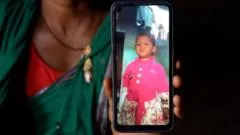
What caused the surge in child deaths in Balaghat?
Officials attribute the recent cluster of fatalities primarily to measles and malaria infections. According to local authorities, between eight and ten deaths were linked to measles, while approximately ten others were associated with malaria. In many instances, children suffered from multiple infections simultaneously, creating a lethal combination of symptoms.
The clinical presentation of the affected children included high fevers, skin rashes, extreme weakness, dehydration, and seizures. While measles is a highly contagious viral disease, its impact is significantly intensified when it strikes children already weakened by malnutrition. Such vulnerability increases the risk of life-threatening complications like pneumonia, severe diarrhea, and brain inflammation.
Medical investigations conducted by the ICMR-National Institute for Tribal Health Research (NIRTH) on August 7, 2026, confirmed the presence of the virus in several cases. Out of ten samples tested, six were positive for measles. However, doctors have noted that the diagnostic picture is often clouded by the presence of other conditions, such as scabies, fungal infections, and bacterial skin ailments, which are common in the region.
The compounding effect of multiple infections
In a district where malaria is endemic, distinguishing between various febrile illnesses can be difficult for both families and healthcare providers. The presence of malaria can compound the physiological stress caused by measles, leading to rapid deterioration. Furthermore, the lack of specific nutritional support means that even common infections can become fatal for children whose immune systems are already compromised.
How does geography and poverty limit access to healthcare?
Extreme remoteness and difficult terrain act as primary barriers to life-saving medical intervention in the Balaghat district. Many Baiga families reside in forested areas where narrow dirt tracks become nearly impassable during the monsoon season. For many, reaching the nearest 100-bed state hospital in Birsa—located roughly 70km away—is a logistical impossibility without significant resources.
The economic reality for these communities further restricts their ability to seek help. Many residents are landless laborers; for example, one local worker reported earning only about 200 rupees ($2) on a good day. For a family living on such margins, the cost of transporting a sick child via motorcycle or makeshift bamboo stretcher, combined with the loss of a day's wages, often makes hospital visits a secondary priority to immediate survival.
The physical landscape is characterized by sparse housing consisting of mud walls and thatched roofs, often situated far from primary health centres. Even when a facility is relatively close, such as a centre located 5km away, the lack of transport and the seasonal difficulty of navigating mud-slicked paths prevent regular use of these services.
What role do cultural beliefs play in disease response?
Traditional spiritual interpretations of illness can sometimes delay necessary medical treatment. In some Baiga communities, certain diseases are viewed as the arrival of a goddess, known as "Mata." This belief system dictates that illnesses like chicken pox or certain fevers should be met with rituals rather than clinical medicine.
These rituals typically involve a seven to nine-day period of offering cool water and neem leaves to appease the deity. There is a widespread fear within some families that attempting medical treatment before these spiritual rites are completed could actually trigger death. This cultural framework has historically shaped how families respond to the onset of symptoms in young children.
While some families have resisted medical intervention, there have been instances where authorities had to intervene directly. Local officials reported cases where police were required to persuade families to allow health teams to examine sick children, and in other villages, officials forcibly transported critically ill children to hospitals to ensure their survival.
Why is malnutrition so prevalent among the Baiga?
Malnutrition serves as a critical underlying factor that turns preventable infections into fatal outbreaks. The nutritional status of the Baiga is influenced by a complex web of social and dietary issues, including early marriage, closely spaced pregnancies, and a lack of dietary diversity.
Medical professionals have observed that many young mothers enter pregnancy at ages when their own bodies are still developing, such as 16 or 17. This can lead to premature births and low birth weights. Additionally, the standard diet in these households often relies heavily on rice and lentil soup, which lacks the necessary protein and micronutrient variety required for healthy growth. In one tragic instance, a five-year-old child who died of measles was reported to weigh only 5kg.
Systemic failures in nutritional distribution
The crisis is not merely a result of dietary choices but also points to significant gaps in the state's social safety nets. A 2024 audit by India's Comptroller and Auditor General identified "serious irregularities" in the distribution of take-home rations in Madhya Pradesh. These issues included problems with how beneficiaries were identified and failures in the transport and production of food intended for pregnant women, lactating mothers, and young children.
What measures are being taken to control the outbreak?
Once the scale of the mortality became apparent, the government launched an emergency response involving mobile medical units and mass vaccination campaigns. Health workers began door-to-door screenings across more than 20 affected villages, providing essential services directly to the most isolated homes.
These mobile units are equipped with oxygen, nebulisers, suction equipment, and malaria testing kits. According to government medical officer Nimish Gautam, more than 6,200 patients—the majority of whom were children—were eventually treated at home. While many were stabilized, approximately 630 individuals required referral to district hospitals for more intensive care.
Vaccination has been a cornerstone of the containment strategy. Despite official records suggesting high coverage in some areas, health workers discovered many children were undocumented or unvaccinated. In response, authorities offered the measles-rubella (MR) vaccine to all children under the age of 15 in the Birsa area. Of the approximately 40,000 children identified, roughly 27,000 have received the vaccine to date.
Key takeaways
- At least 32 children died in Balaghat, Madhya Pradesh, due to measles and malaria.
- The victims were primarily from the Baiga, a particularly vulnerable tribal group.
- Geographical isolation and monsoon weather severely hinder access to distant hospitals.
- Malnutrition, exacerbated by systemic distribution failures, significantly increased mortality rates.
- Emergency responses include mobile medical units and mass measles-rubella vaccinations.
FAQ: Child mortality in Balaghat
What were the primary causes of death?
The deaths were mainly attributed to measles and malaria. These infections were often compounded by severe malnutrition and dehydration, which made common illnesses much more likely to be fatal for children in the remote Baiga villages.
How does geography affect healthcare access?
The remote, forested terrain and muddy tracks, especially during the monsoon, make traveling to hospitals difficult. Many families lack vehicles and must rely on motorcycles or stretchers, often facing long journeys to reach the nearest facility.
Why is malnutrition so high in this region?
Malnutrition is driven by limited dietary variety and social factors like early motherhood. Additionally, a 2024 audit found irregularities in the distribution of government-provided nutritional rations intended for vulnerable groups in Madhya Pradesh.
How are authorities responding to the outbreak?
Authorities have deployed mobile medical units to provide door-to-door care and are conducting mass measles-rubella vaccination campaigns for all children under 15 to prevent further spread of the virus.
What are the cultural factors involved?
Some families view certain illnesses as the arrival of a goddess, leading them to prioritize traditional spiritual rituals over medical treatment. This can cause critical delays in seeking professional healthcare for sick children.
Conclusion
The recent surge in child mortality in the Balaghat district is a stark reminder of the vulnerabilities faced by India's tribal populations. While the immediate outbreak of measles and malaria may have subsided, the underlying causes—extreme poverty, geographical isolation, and nutritional insecurity—remain deeply embedded. The crisis highlights a significant gap between official health coverage statistics and the lived reality of the Baiga people. Addressing these deaths requires more than emergency medical intervention; it demands long-term improvements in nutritional support, infrastructure, and the integration of healthcare services with the cultural realities of remote tribal communities.