
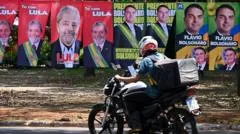
Election results and candidates
The first round of Brazil's presidential elections saw millions of citizens take to the polls this Sunday. This massive turnout marks a significant moment in the country's democratic process as voters cast their ballots to determine the nation's future leadership.
The results have established a high-stakes confrontation between two primary figures with vastly different political backgrounds. President Luiz Inácio Lula da Silva, aged 80, is currently campaigning for his fourth non-consecutive term in office. He is being challenged by the 45-year-old right-winger Flávio Bolsonaro, who is competing in his first presidential race.
The matchup pits the veteran political leader seeking to reclaim his position against a younger challenger in a contest that has been described as dramatic as it unfolds.
Run-off schedule and context
Because no single candidate secured an immediate victory in the first round, the election is now officially heading to a run-off. BBC correspondent Ione Wells has unpacked the results, noting that the electoral process must now move into this second stage to reach a final conclusion.
The run-off election is scheduled to take place on 25 October. This upcoming date will be the critical moment when the Brazilian electorate returns to the polls to decide between the two leading candidates who emerged from the initial round of voting.
Next steps in the electoral process
As the first round concludes, the focus of the nation shifts toward the second stage of the contest. With the run-off set for 25 October, the political landscape remains centered on the competition between Lula da Silva and Bolsonaro. The transition to this final phase marks a pivotal period in the unfolding election, as the two candidates prepare for the final vote that will determine the presidency.
