
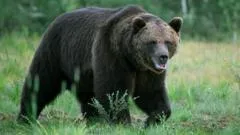
Fatal encounter in the Bayanzurkh district
A man in his 40s was killed during a violent bear attack inside a traditional Mongolian ger near Ulaanbaatar. The incident, which took place overnight on Wednesday, also left a woman in her 50s with serious injuries. According to city official Munkhbayar M, the survivor managed to escape the structure and alert neighbors, but she remains in critical condition in a hospital.
The attack targeted a residential setting, specifically a ger, which is a traditional nomadic tent-like structure. This vulnerability highlights the challenges faced by communities where human dwellings and wildlife habitats intersect. Local authorities are currently working to track the animal responsible for the attack.
Rising frequency of bear sightings
Bear sightings near human populations in Mongolia are increasing at an alarming rate. According to Munkhbayar M, there have been 24 recorded bear sightings near the capital in 2026 alone. This represents a massive spike when compared to 2018, when only two such sightings were documented, according to reports from the AFP news agency.
The surge in these encounters is being attributed to several environmental and social factors:
- Climate change: Shifting weather patterns are altering natural habitats.
- Food scarcity: A lack of natural prey or forage is driving bears toward human settlements and livestock.
- Social media trends: Viral videos on Mongolian social media have recently showcased bears entering gers or attacking livestock, reflecting the reality of increased interaction.
Government response and mitigation efforts
Authorities are taking several steps to manage the growing threat of human-wildlife conflict. A team of rangers is currently conducting a search for the bear involved in the fatal Bayanzurkh attack. To protect rural communities, officials are seeking to acquire tranquilizer dart guns to assist rangers in managing encounters more safely.
In terms of legal measures, bear-hunting permits have already been issued across eight different provinces to address the immediate danger. Officials have also issued warnings to local residents, urging them to remain vigilant and report any sightings of bears to the proper authorities immediately.
Shifting demographics and habitat overlap
The changing landscape of Mongolian society is contributing to the increased likelihood of these encounters. While a significant portion of the population maintains a nomadic lifestyle, there is a visible shift toward settled agricultural communities. Additionally, more people are migrating to Ulaanbaatar and other major urban centers.
As human settlements expand and change form, the boundaries between human territory and wildlife corridors become increasingly blurred. This demographic transition, combined with environmental pressures, creates a complex environment where the risk of fatal interactions remains high for those living on the periphery of urban areas.
Frequently Asked Questions
What caused the increase in bear sightings in Mongolia?
The increase is primarily driven by climate change and food scarcity. These factors force bears to leave their natural habitats in search of sustenance, leading them into closer proximity to human settlements, livestock, and traditional nomadic dwellings like gers.
How many bear sightings have occurred near Ulaanbaatar?
There has been a significant rise in sightings near the capital. According to Munkhbayar M, 24 sightings have been recorded this year, a stark contrast to the two sightings reported in 2018, according to AFP news agency reports.
What is the government doing to manage the bear threat?
The government is deploying ranger teams to search for dangerous animals and has issued hunting permits in eight provinces. Furthermore, officials are working to obtain tranquilizer dart guns to help rangers manage wildlife interactions in rural areas more effectively.




