
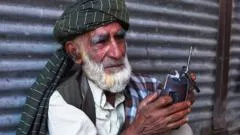
Suspension of FM broadcasts in Afghanistan
The Taliban government has officially halted all BBC FM radio transmissions across Afghanistan. According to a Taliban government spokesman, the decision to suspend these specific broadcasts was driven by what were described as "repeated violations." However, the authorities have not provided specific details or documented instances regarding the nature of these alleged infractions.
This move targets one of the few remaining international news sources operating within the country. Since 2022, when two major US-based media outlets were banned from the region, the BBC has served as the sole international news organisation providing regular broadcasts inside Afghanistan. The suspension of FM frequencies limits the ease of access for many citizens who rely on traditional radio technology.
Impact on news access and educational programming
Millions of Afghan citizens depend on the BBC for reliable information and accurate news reporting. The broadcaster noted in a statement that they are currently engaging with local authorities to attempt to resolve the current situation. The loss of FM access is particularly significant given the broadcaster's massive audience reach.
The BBC's output in Afghanistan is not limited to news alone; it serves a critical social function. The broadcaster reaches more than 20% of the adult population in Afghanistan every week. This programming includes vital educational content specifically designed for girls, who are currently prohibited from attending secondary schools. By losing FM reach, the accessibility of these educational resources may be severely compromised for those in remote or underserved areas.
Alternative broadcasting and media restrictions
Despite the loss of FM signals, the BBC intends to maintain its presence through other technological channels. The broadcaster confirmed it will continue to provide independent and fair reporting in English, Pashto, and Dari. To reach its Afghan audience, the organisation is pivoting to shortwave and medium wave radio, as well as online platforms and satellite services.
The current media environment in Afghanistan remains under strict control by the Taliban. Current regulations and cultural shifts have led to several significant changes in broadcasting standards:
- The broadcasting of music is currently prohibited.
- Women's visibility on screen has decreased compared to the period before the 2021 takeover.
- Regulations now prevent women from appearing on air alongside men.
While some social media platforms remain functional, widespread digital news consumption faces heavy obstacles. High costs, low literacy rates, and significant electricity shortages across large portions of the country continue to act as barriers to information access.
Frequently Asked Questions
Why did the Taliban suspend BBC FM radio?
The Taliban government suspended the transmissions due to what they characterized as "repeated violations" by the broadcaster. While the Ministry of Information and Culture, via spokesman Khubaib Ghufran, confirmed the suspension of activity for the time being, they have not yet elaborated on the specific details of these violations.
How many people in Afghanistan listen to the BBC?
The BBC reaches more than 20% of the adult population in Afghanistan on a weekly basis. This audience relies on the broadcaster for news, general information, and specialized educational programming, particularly for young women who are currently barred from accessing secondary education within the country.
How will the BBC continue to reach its audience?
The BBC is maintaining its reporting through several alternative methods to bypass the FM suspension. The broadcaster will continue to provide content in Dari, Pashto, and English via satellite, online platforms, and through shortwave and medium wave radio frequencies to ensure continued access for its listeners.




