
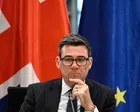
A shift in rhetoric regarding the European Union
Andy Burnham has signaled a significant departure from previous UK administrations by advocating for a tighter bond with the European Union. Following his return from the party conference, the Prime Minister suggested that the United Kingdom must move past a decade characterized by "drift and division." This stance represents a clear break from the approach of his predecessors.
While previous Conservative governments maintained there was no evidence of external interference in the 2016 referendum, and Keir Starmer sought to treat Brexit as a closed historical chapter, Burnham is framing the relationship as an active economic and political necessity. This move suggests an attempt to re-engage with European structures to mitigate the long-term consequences of the Brexit process.
Allegations of Kremlin interference in Brexit
The Prime Minister has also introduced more assertive language regarding the integrity of the 2016 referendum. Burnham stated on Sunday that it is "clear" the Kremlin played a role in the Brexit vote. This represents the most direct attribution of Russian involvement in the democratic process by a UK leader to date.
This development contrasts sharply with the historical stance of the Conservative party, which long denied such interference. By linking the Brexit outcome to foreign influence, Burnham is not only changing the UK's relationship with the EU but also reframing the foundational narrative of the UK's exit from the bloc. This shift could have profound implications for how future electoral integrity is monitored and protected within the United Kingdom.
Geopolitical threats and UK security concerns
Beyond the European Union, the UK is facing heightened security challenges from Middle Eastern actors. Burnham has provided a firm attribution of responsibility regarding recent security incidents, stating that Iran’s Islamic Revolutionary Guards Corps were "almost certainly" behind threats made to RAF Fairford. This marks the strongest official link made by the UK government to date regarding such threats.
The incident at RAF Fairford, which occurred late last month, underscores the volatility of the current geopolitical landscape. As the UK navigates its new relationship with the EU, it must simultaneously manage direct security threats that stem from broader international conflicts. These tensions, combined with the ongoing war in Ukraine and shifting US foreign policy, create a complex environment for British diplomatic and military strategy.
Global instability and international tensions
The broader international context continues to influence domestic UK policy. In Ukraine, President Volodymyr Zelenskyy has pledged to respond to ongoing Russian strikes on the national power grid. These attacks occur as European leaders attempt to maintain a unified front with Kyiv, even as political friction arises regarding strikes on Russian oil refineries.
In the Middle East, political tensions remain high as Benjamin Netanyahu has ordered investigations into the disclosure of identities of military personnel. These actions, intended to protect Israel's security and diplomatic interests, reflect a global climate where information warfare and security protocols are under constant pressure. For the UK, managing these overlapping crises requires a delicate balance between domestic political realignment and international security obligations.
Frequently Asked Questions
What is Andy Burnham's position on the EU?
Andy Burnham is calling for a closer relationship between the United Kingdom and the European Union. He aims to move the country away from what he described as a decade of "drift and division," seeking to establish a more constructive and integrated connection with the European continent.
Did the Kremlin influence the Brexit vote?
According to Prime Minister Andy Burnham, it is "clear" that the Kremlin was involved in the 2016 Brexit referendum. This statement marks a significant change in UK political rhetoric, as previous administrations had denied that such Russian interference had taken place during the voting process.
What happened at RAF Fairford?
RAF Fairford was the target of threats that the UK government has attributed to Iran's Islamic Revolutionary Guards Corps. Prime Minister Andy Burnham stated that these groups were "almost certainly" responsible, marking the most definitive attribution of such threats made by the British government to date.




