
What triggered the latest Albania protests in Tirana?
Protests that started in early June over education policy have expanded into a broader anti-government movement. Demonstrators accuse the administration of systemic corruption and demand the resignation of Prime Minister Edi Rama, who has held office for 13 years. The immediate focus on Saturday was the education ministry building, followed by a shift to the prime minister's office on the main boulevard. Student participation has remained high, with many participants boycotting classes to join the action.
How have the clashes between protesters and police developed?
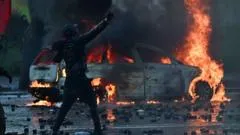
Masked demonstrators threw rocks, fireworks and petrol bombs at riot police protecting key buildings. Police deployed water cannon and repeated volleys of tear gas, with some canisters landing deep in the crowds. Reports confirm the first use of rubber bullets during the afternoon. Volunteers distributed saline eyewash to counter the effects of the gas. By dusk, special forces reinforced the lines. The city centre now shows extensive damage, including broken glass, burnt debris and a destroyed vehicle.
What injuries and arrests have been recorded so far?
Medical staff have treated injuries on both sides. Authorities have charged 80 people with public disorder offences, while several hundred others remain under investigation or in custody. No official casualty totals have been released.
Who are the main groups taking part in the demonstrations?
High-school and university students form the visible core of the daily actions. Many wear gas masks or improvised protection. A 19-year-old medical student described the shift from 135 days of peaceful protest to more confrontational tactics, comparing the approach to events in France. A 17-year-old first-year university student said participants are boycotting classes to defend their rights and alleged that provocateurs are damaging property to discredit the movement.
What political background surrounds the Albania protests?
Prime Minister Edi Rama's Socialist Party holds a large parliamentary majority. Rama has blamed the opposition Democratic Party and unnamed foreign actors for the unrest, while stressing progress toward EU membership by 2030. Parallel investigations by a special prosecution service, established in 2019 with EU and US support, have led to the arrest of the head of the intelligence service on charges linked to a businessman close to the prime minister. Rama has acknowledged knowing the individual but denies involvement in any illegal activity.
What outcomes are being discussed by analysts and activists?
Journalist and activist Osman Stafa has called for a one-year caretaker government to organise fresh elections. Political analyst Lutfi Dervishi noted that Rama's concentration of power has made him the single focus of public discontent. The next scheduled parliamentary elections are not due until 2029.
Frequently asked questions
Why have students become central to the Albania protests?
Students initiated the action over education funding and conditions. Their sustained boycott of classes and daily presence in Tirana have kept the movement visible and numerically strong.
Has the government offered any concessions?
No formal concessions have been announced. The prime minister has instead attributed the demonstrations to opposition and external interference.
Are the corruption allegations against Edi Rama proven?
The allegations remain under investigation by the special prosecution service. Rama denies any knowledge of illegal transactions involving his associates.
What is the EU position on the current unrest?
The EU has not issued a detailed public statement on the latest clashes. Albania continues to pursue membership, with Rama promising accession by 2030.
Could the protests force early elections?
Analysts consider early elections unlikely before 2029 without a major shift in parliamentary arithmetic or sustained pressure that the current majority has so far resisted.
Key takeaways
Albania protests reached their fifth day in Tirana with intensified clashes at government buildings. Students have led daily actions that began over education grievances and widened to anti-corruption demands. Police have used water cannon, tear gas and rubber bullets; 80 people face disorder charges. Prime Minister Edi Rama attributes the unrest to opposition and foreign actors while facing separate investigations. A prominent activist has proposed a one-year caretaker government to hold new elections.
Conclusion
The Tirana demonstrations have moved from targeted education complaints to a direct challenge to long-standing political leadership. With students maintaining pressure and investigations continuing into alleged links between officials and organised crime, the situation remains fluid. Any resolution will depend on whether the government chooses dialogue or further containment and on the capacity of the opposition to convert street action into electoral change.




